Anthurium Violin's cf Foot
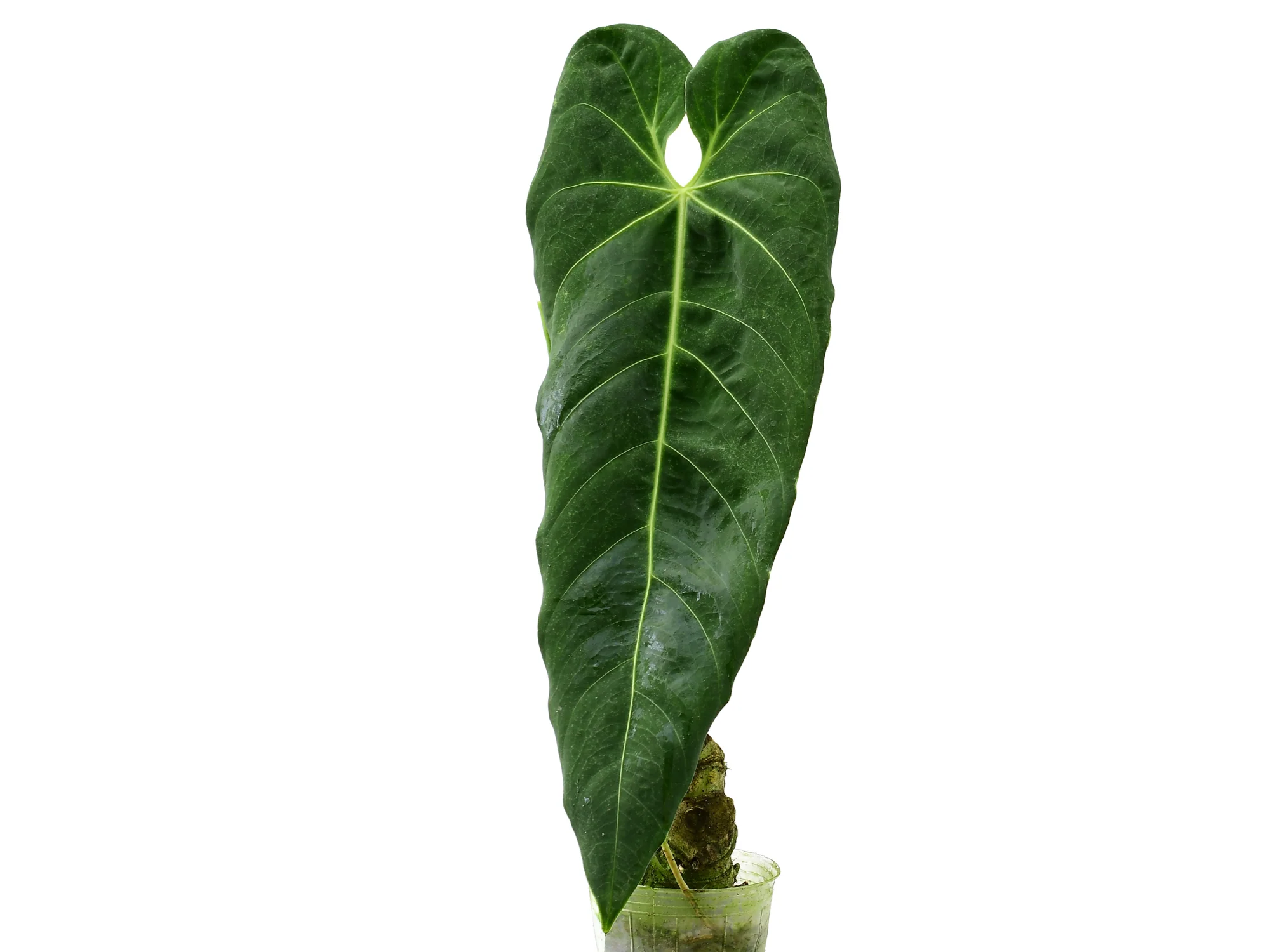
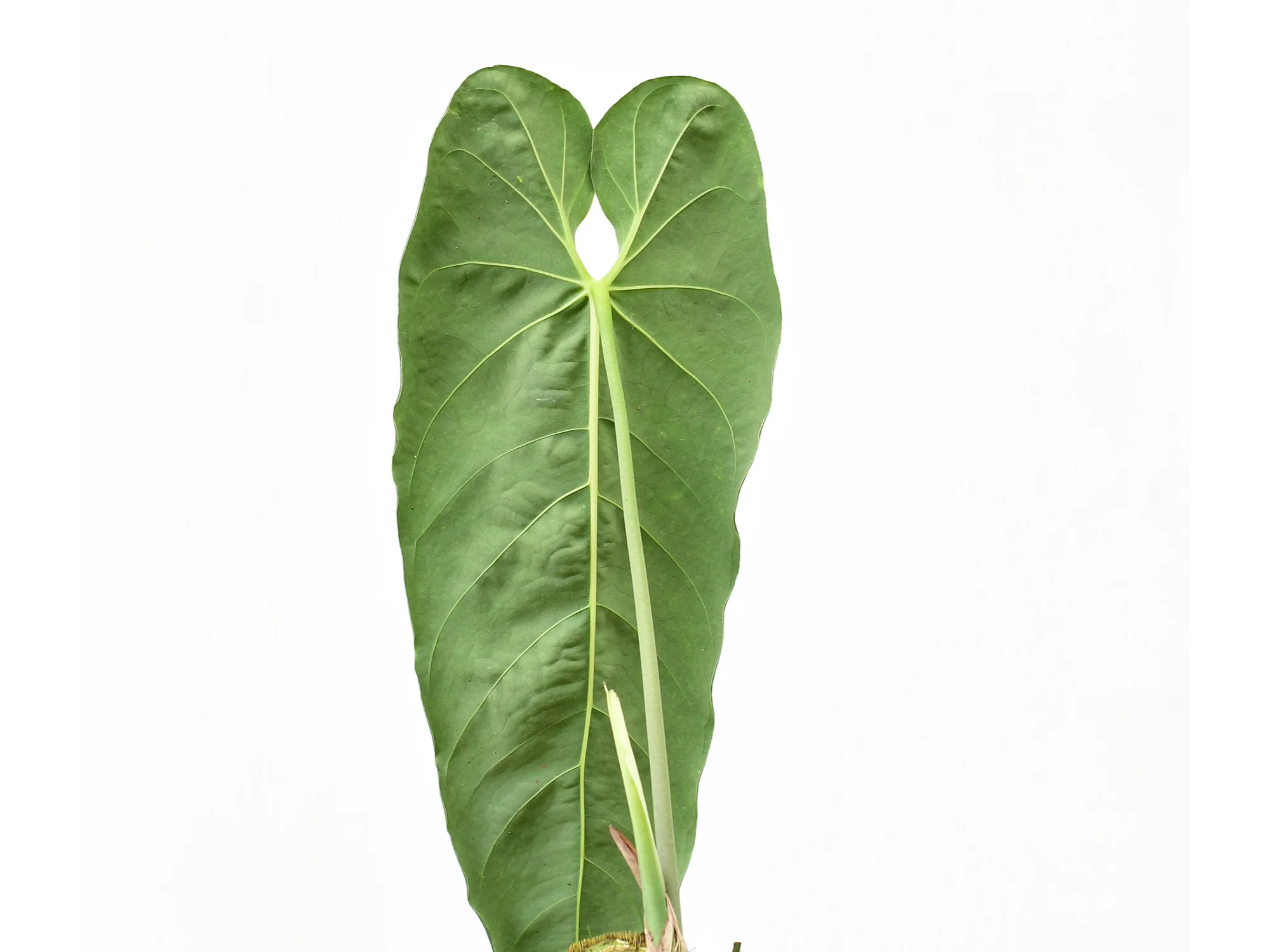
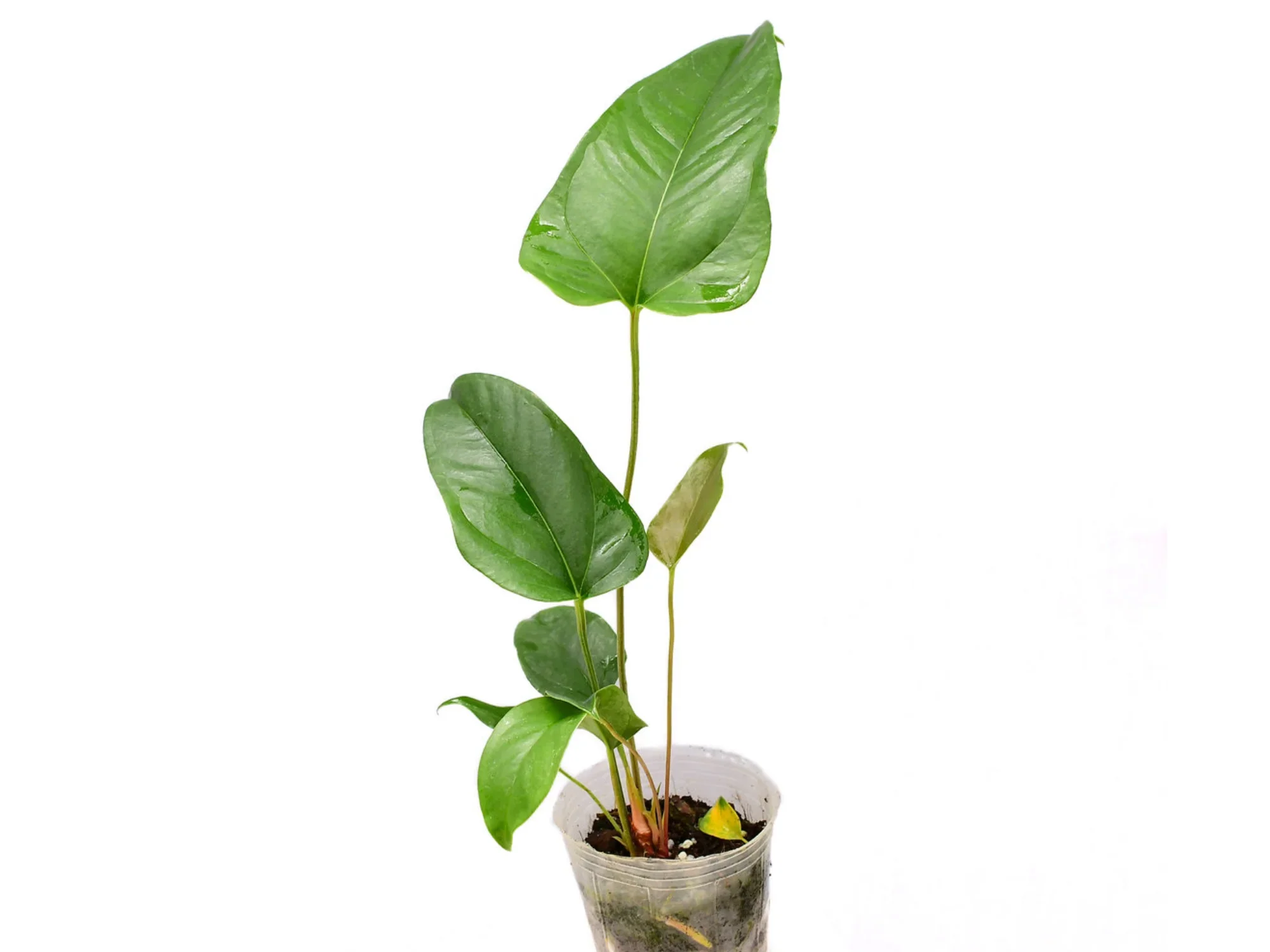
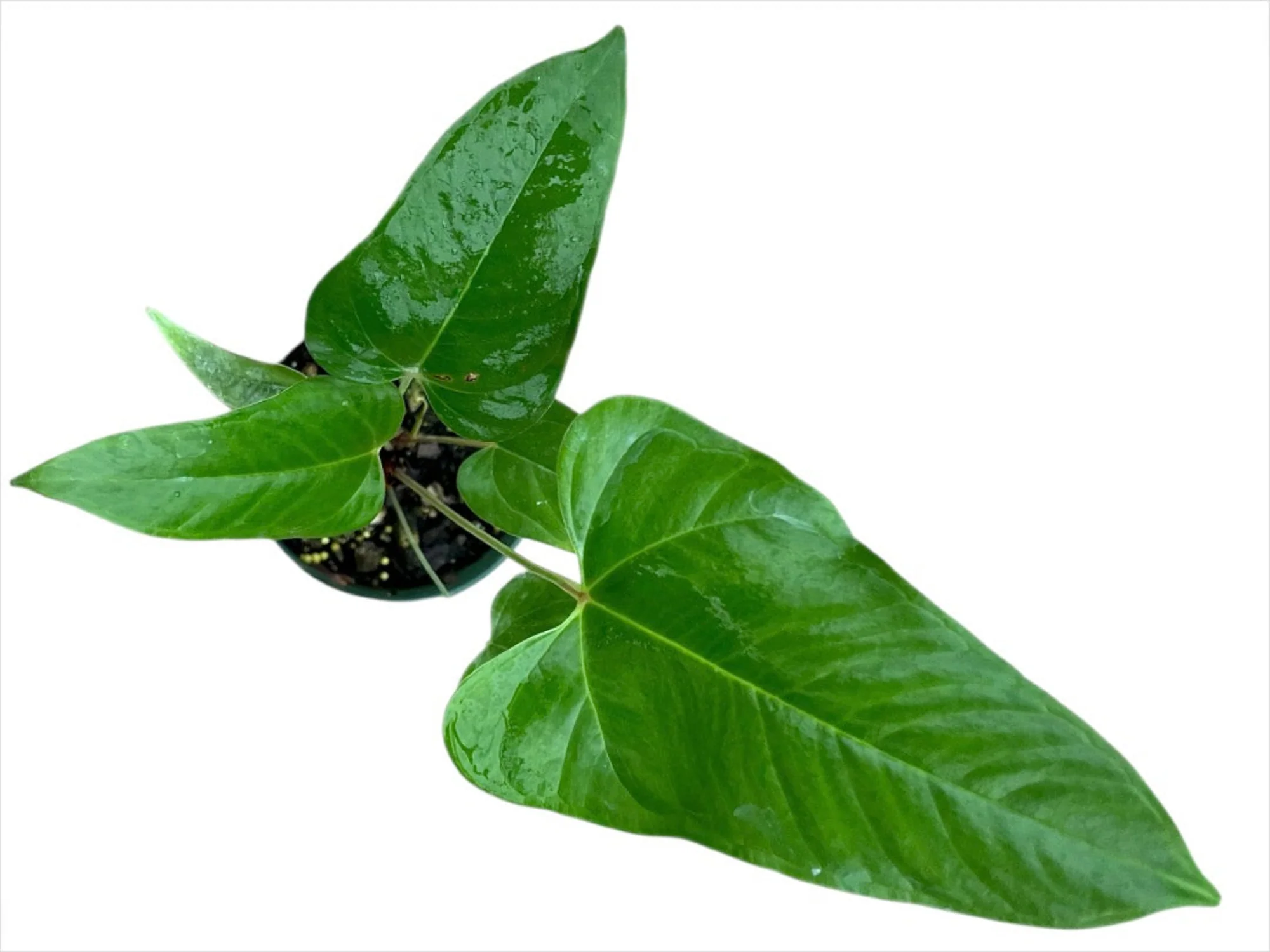
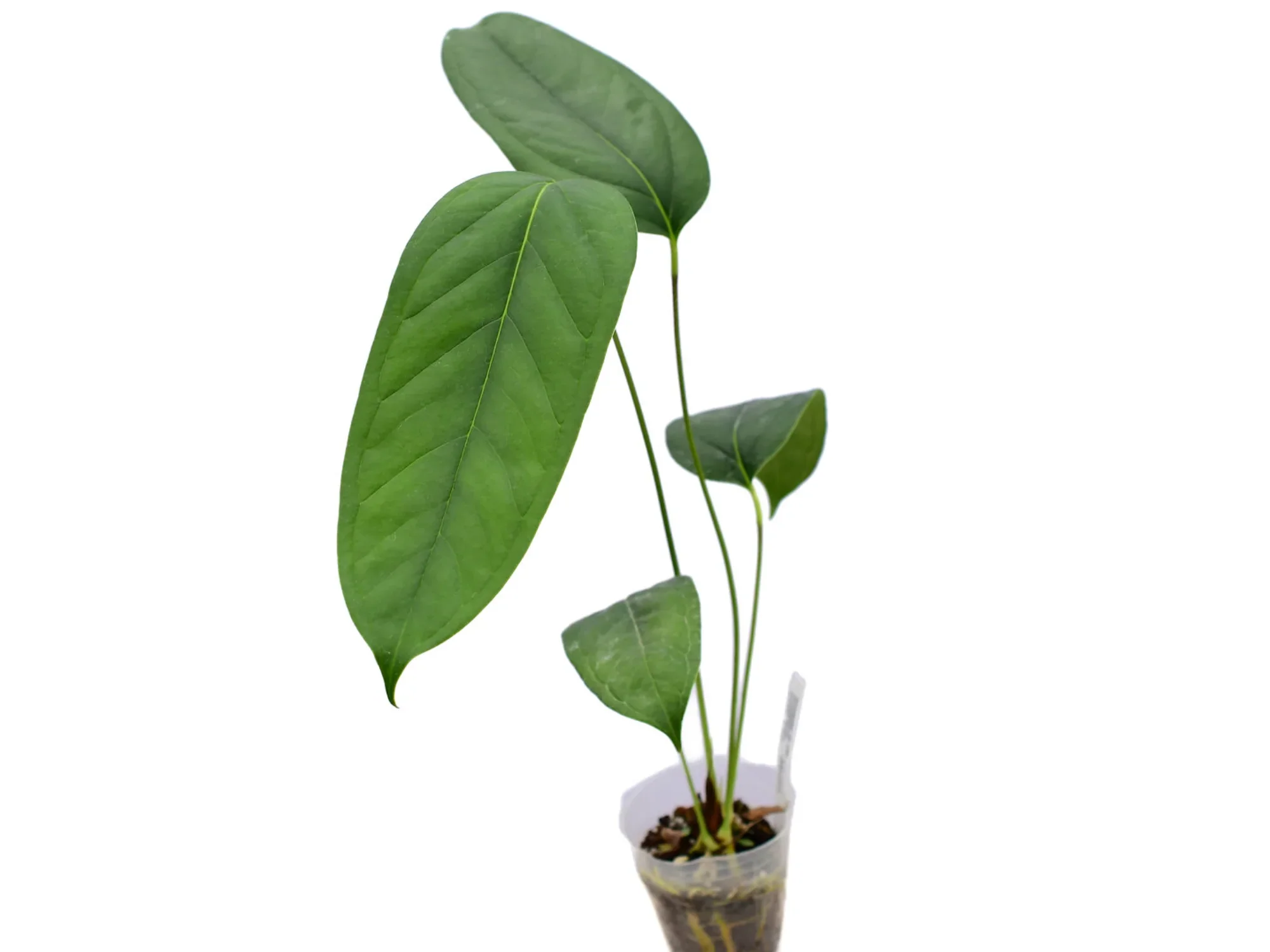
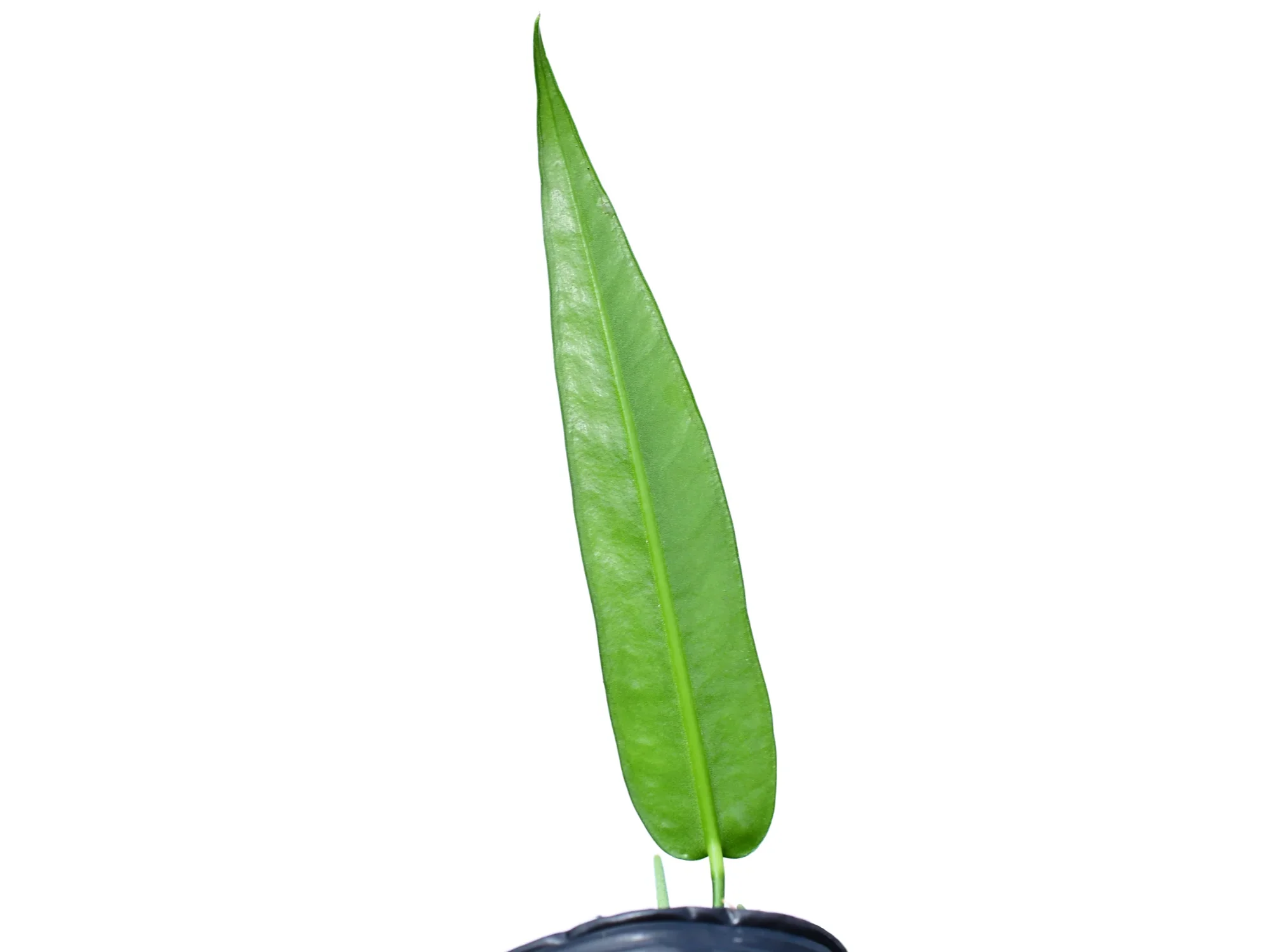
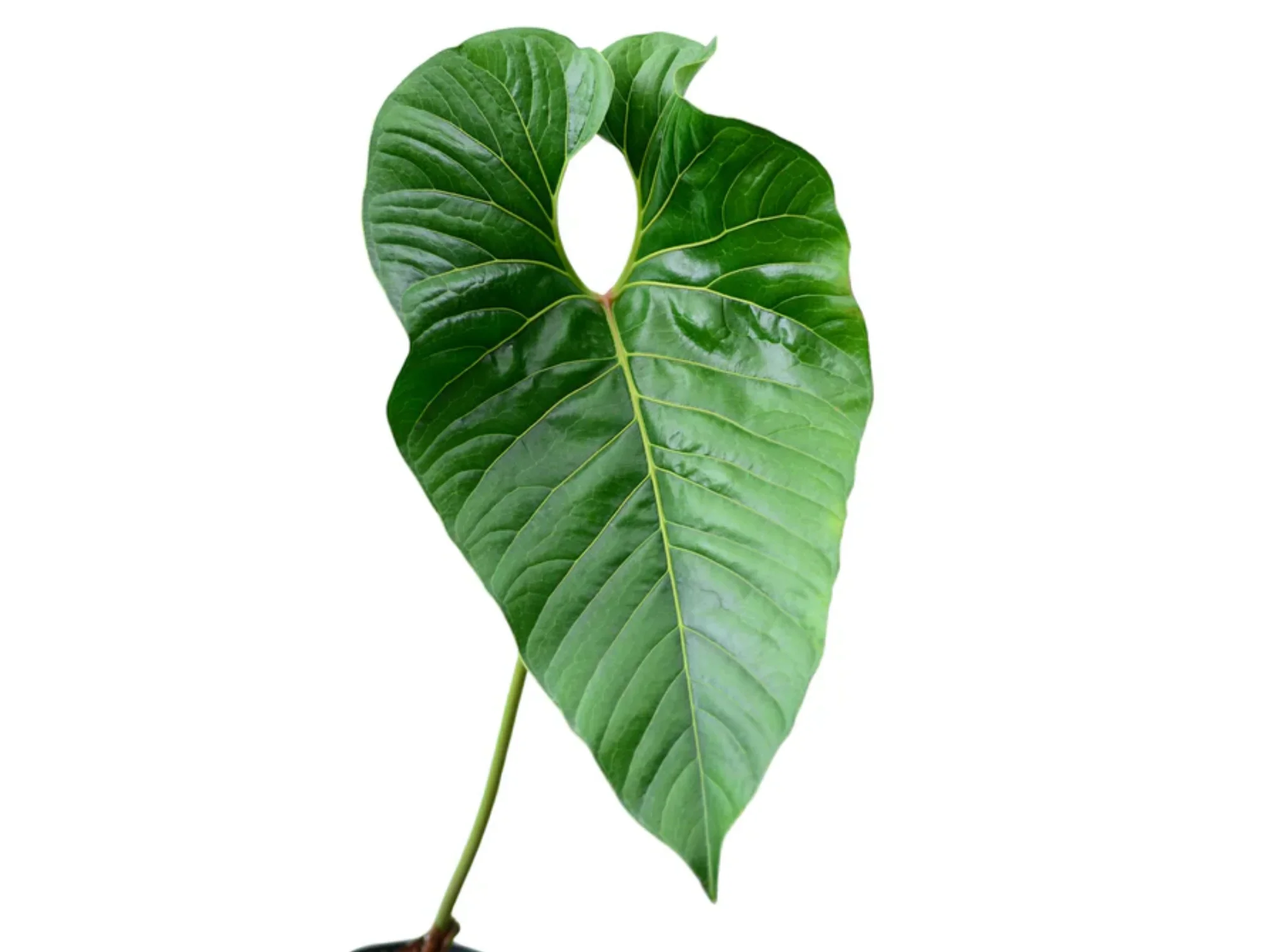
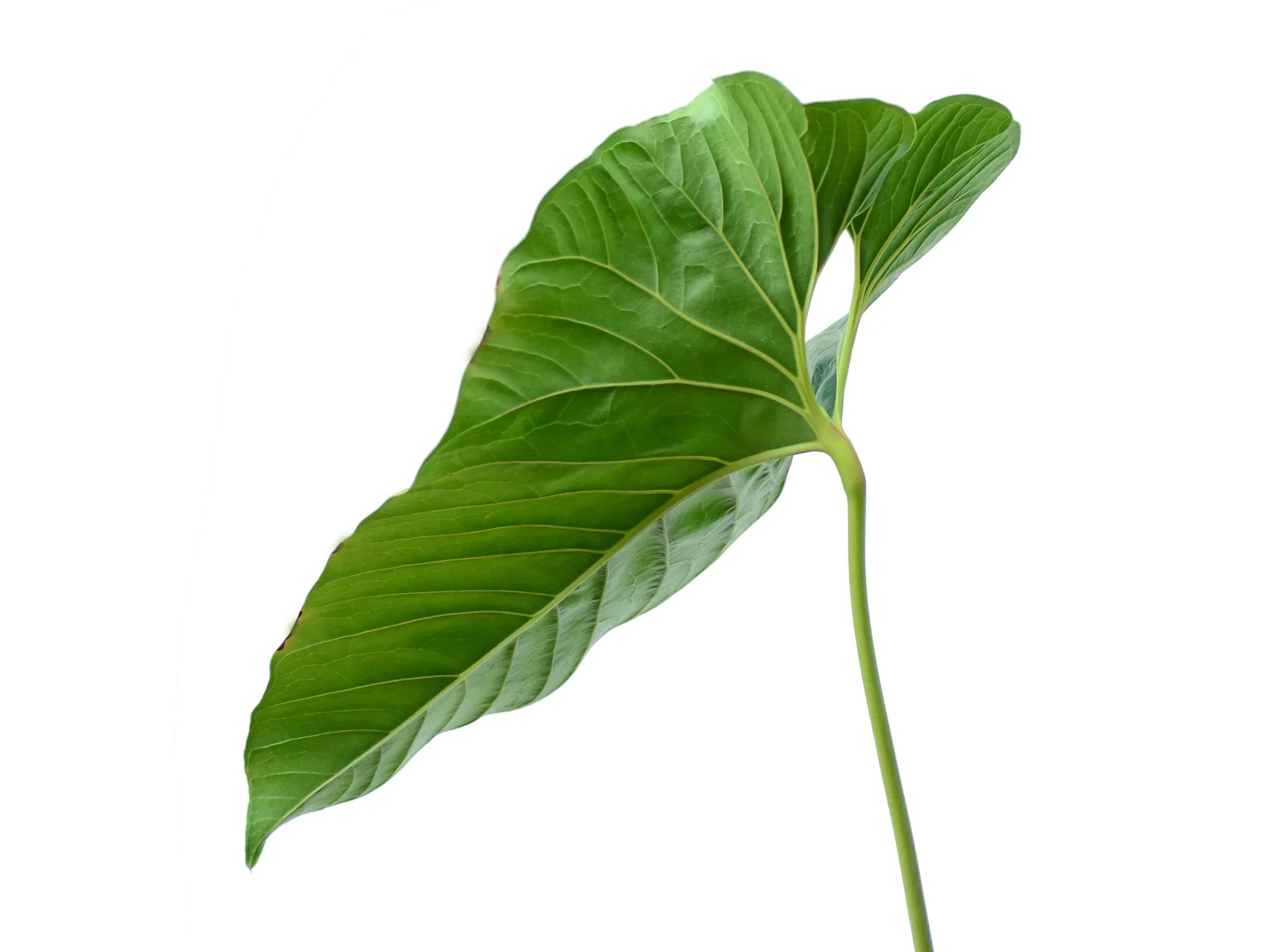
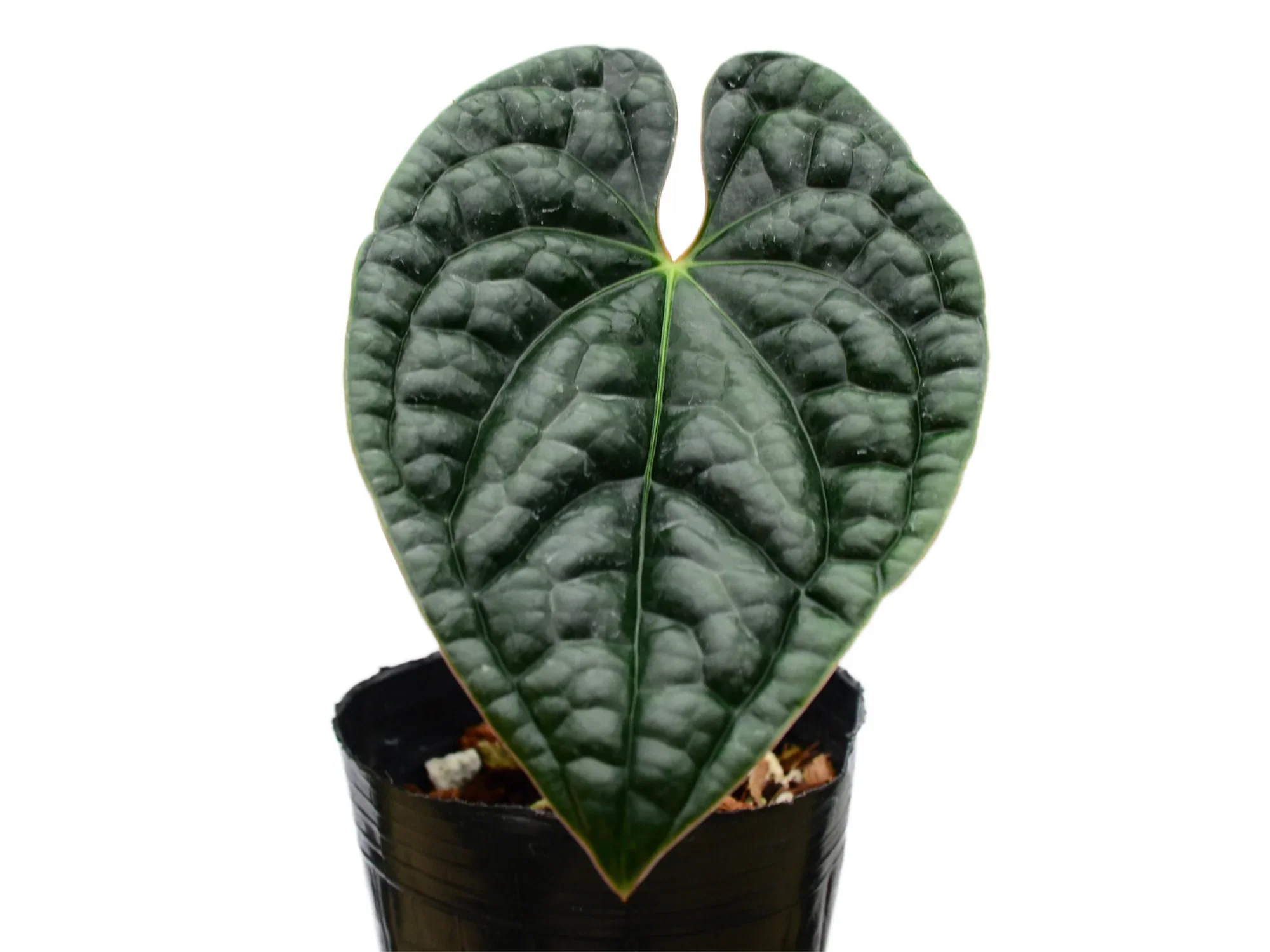
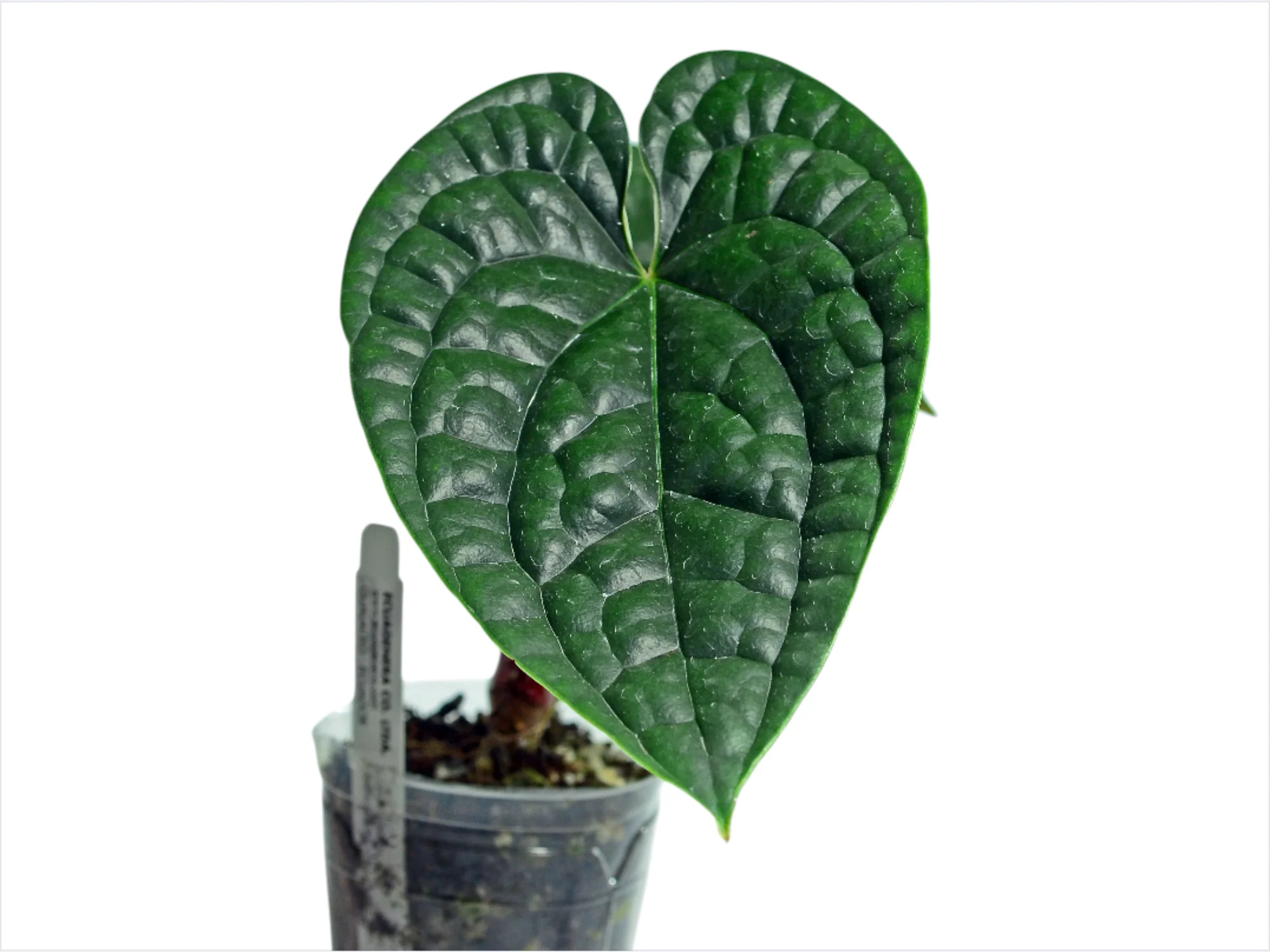
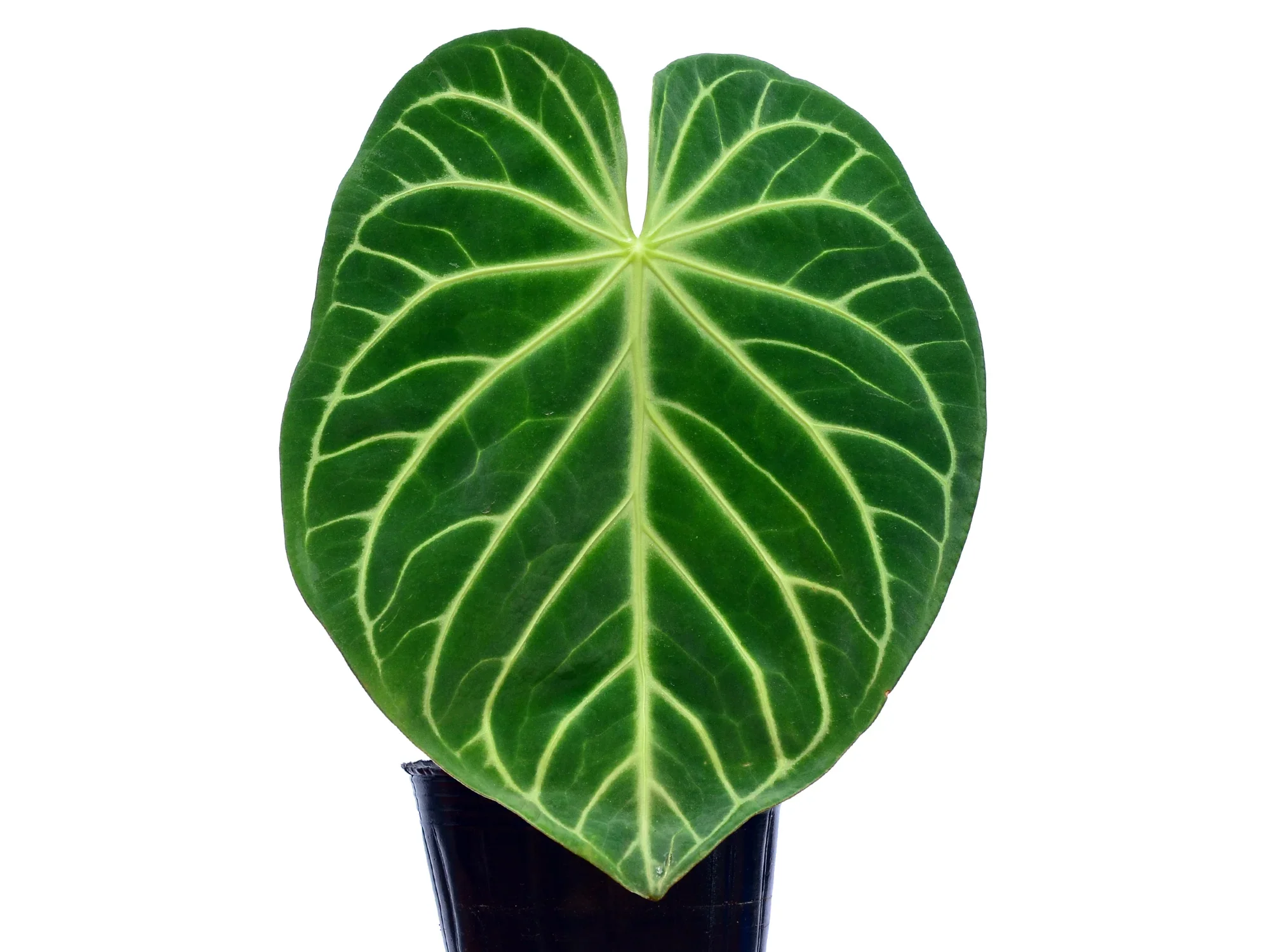
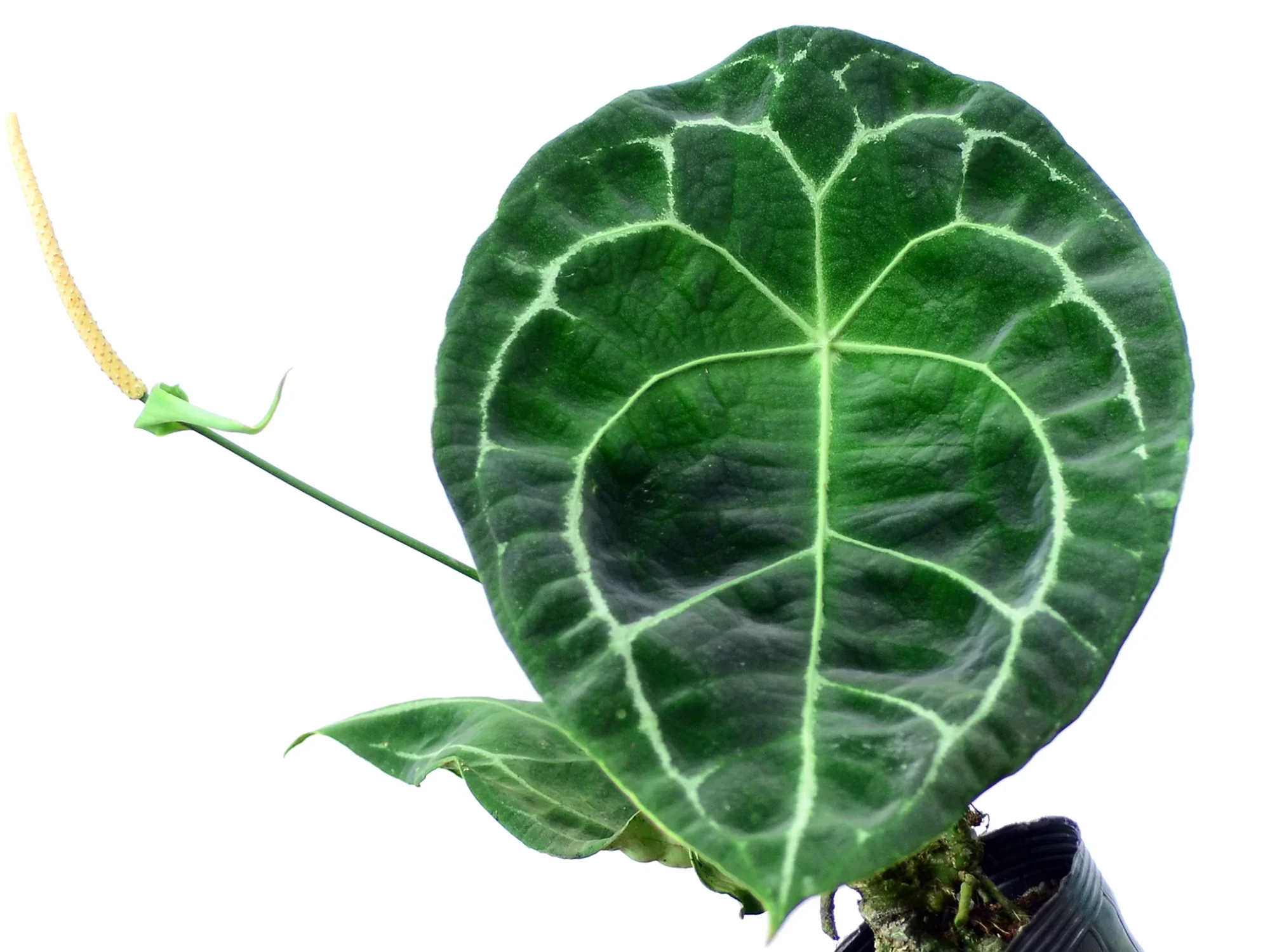
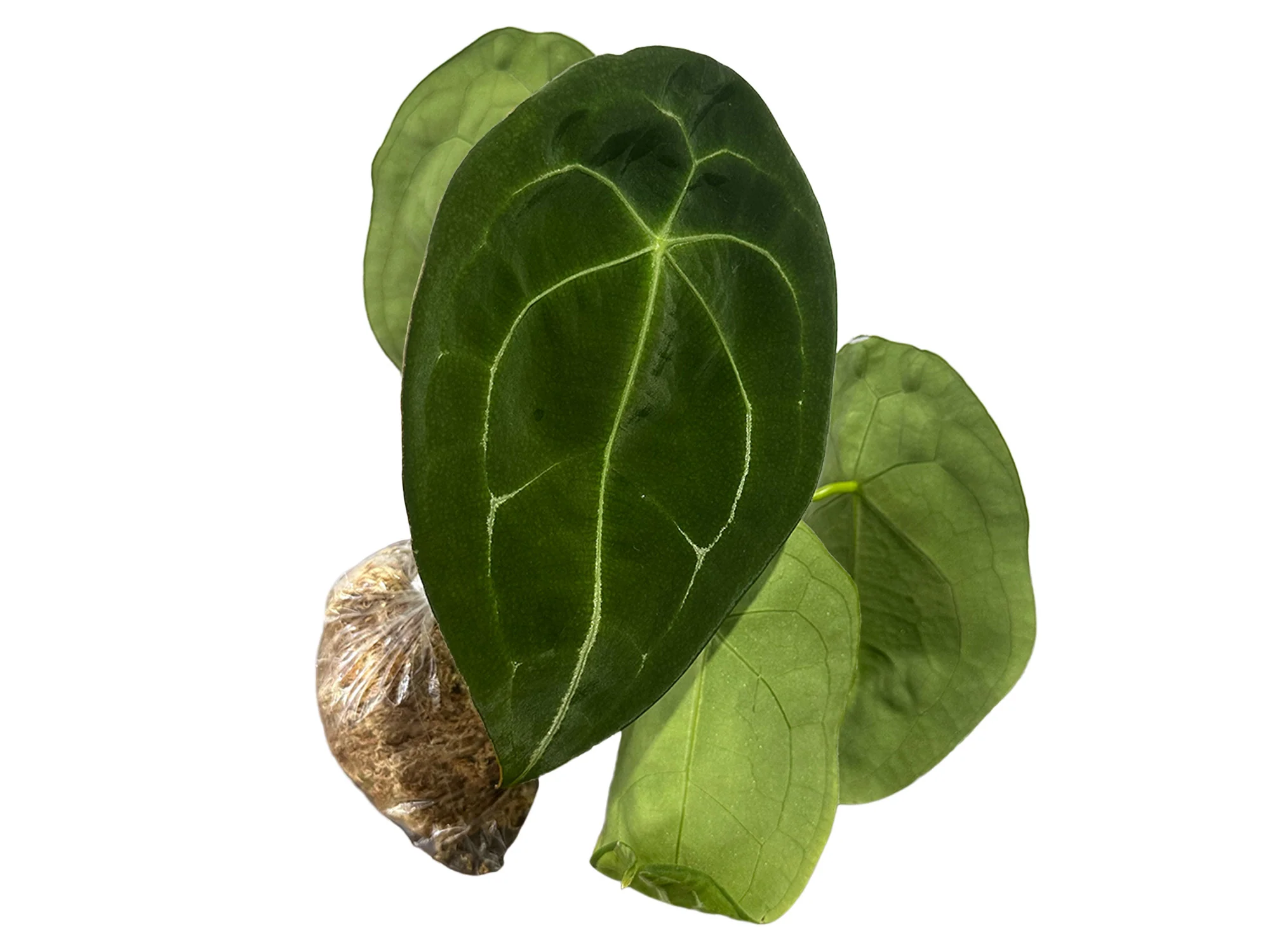
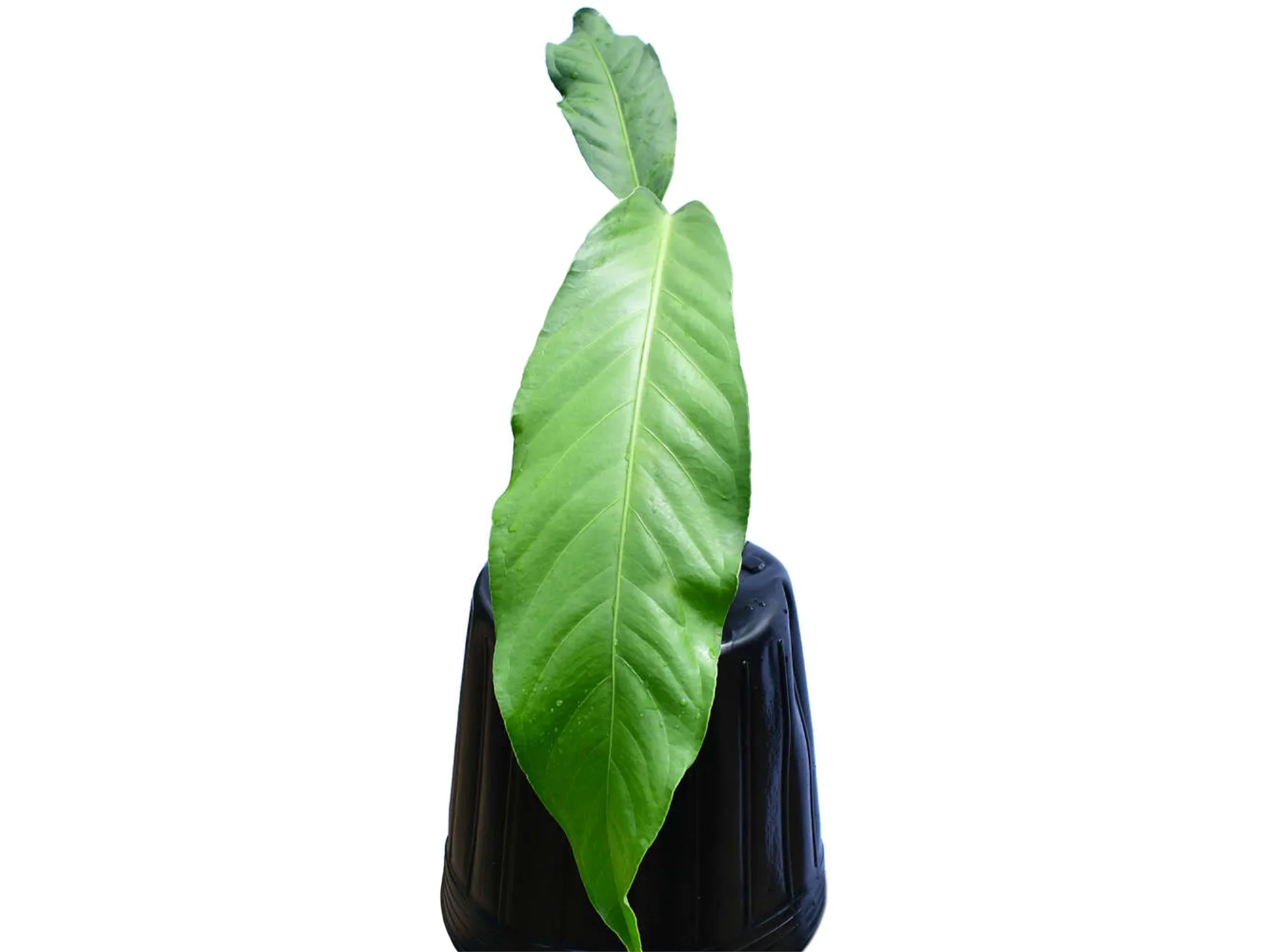
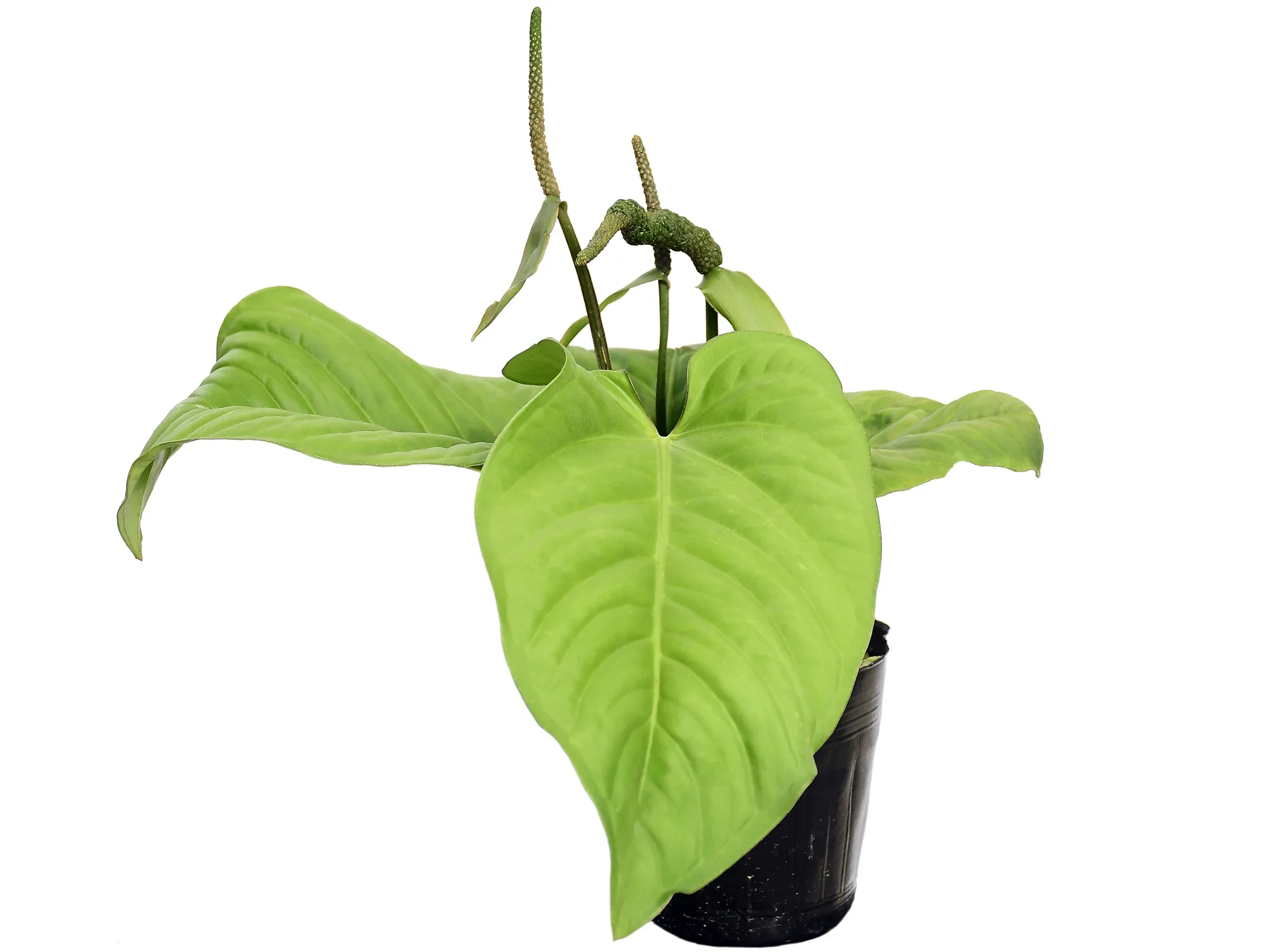
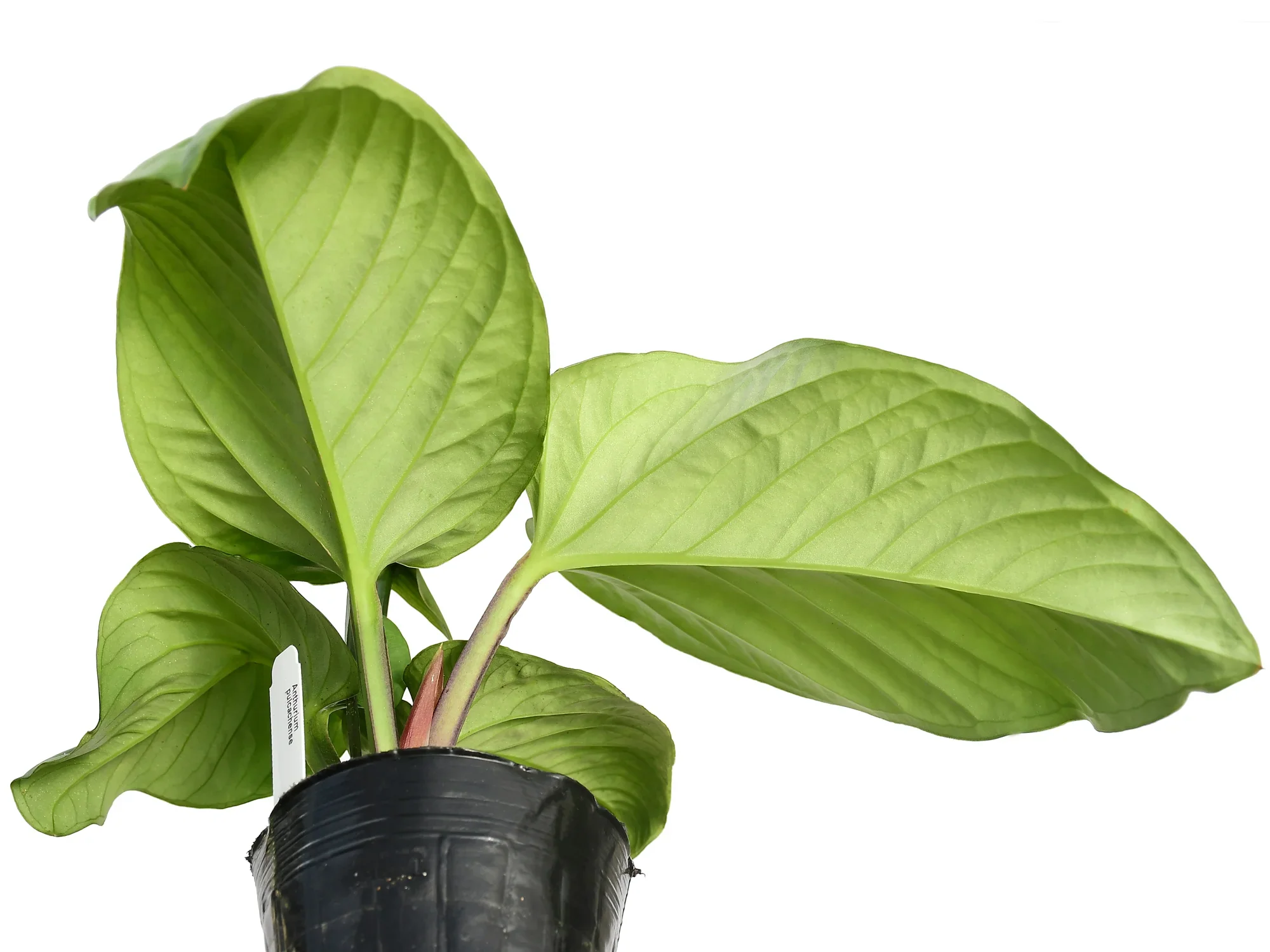
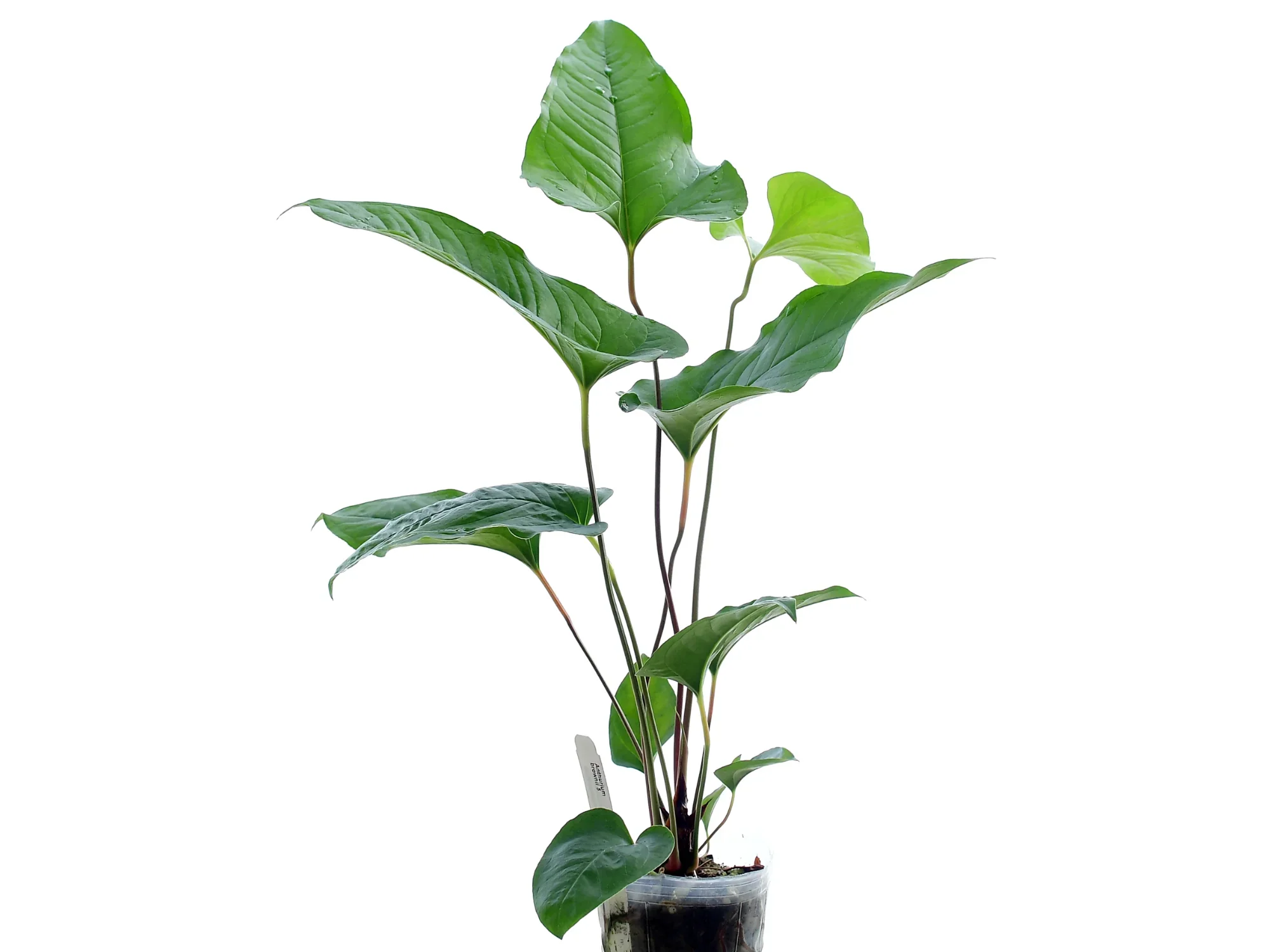
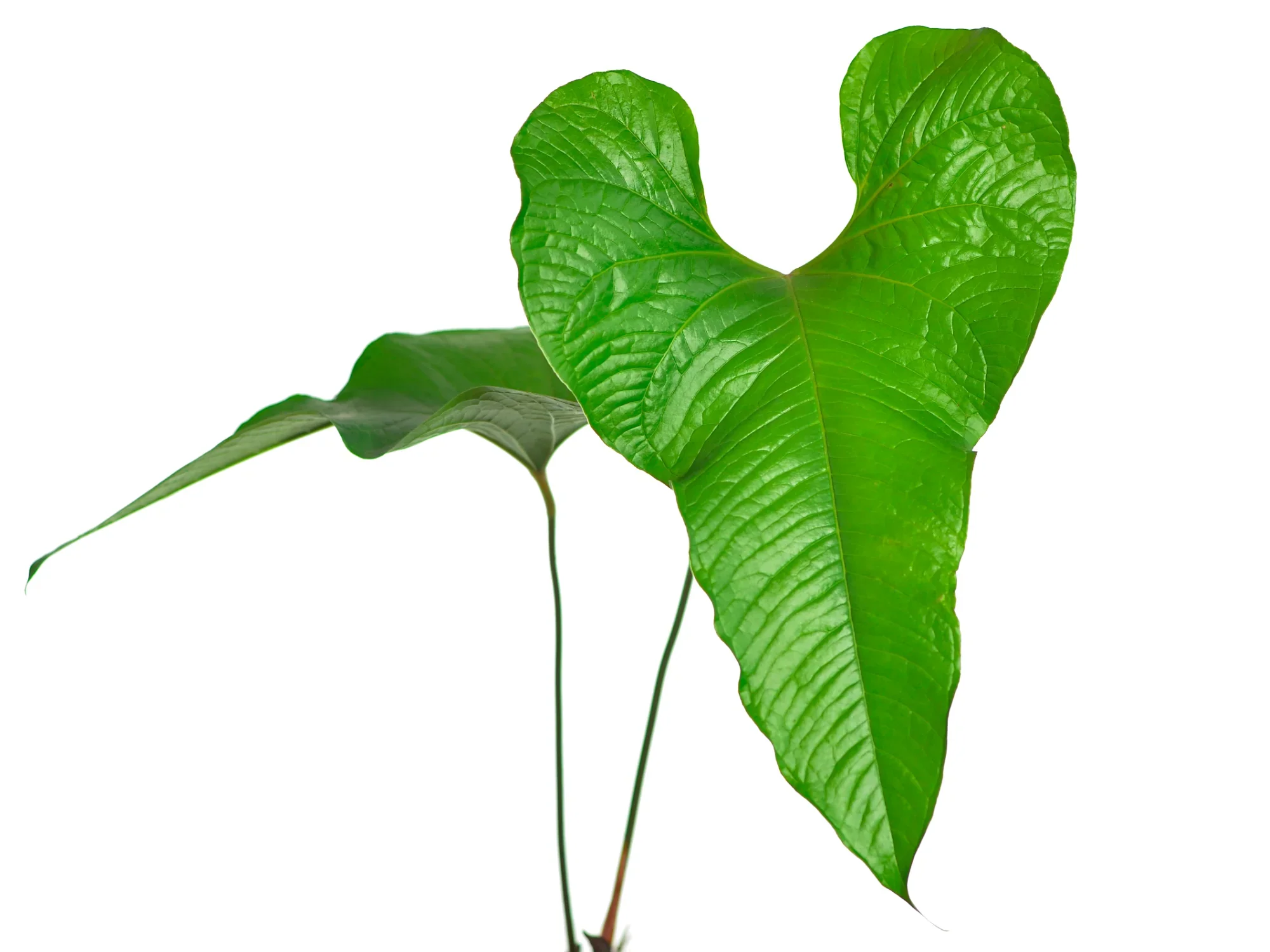
A hybrid of Anth. pandurilaminum cf × Anth. pedatum, two species from the tropical forests of South America. It produces ovate-cordiform leaves with a long acuminate apex, well-defined rounded basal lobes, a prominent midrib, and fine arching secondary venation over a semi-glossy surface.
- Light: Bright filtered light with up to 60–70% shade cloth; avoid direct sun, which can scorch the leaf surface.
- Temperature: 65–86°F (18–30°C); a warm tropical grower that performs best with stable temperatures and no cold drafts.
- Humidity: 65–85%; moderate to high humidity supports healthy leaf expansion and surface quality.
- Watering: Water thoroughly when the top layer of substrate begins to dry; avoid waterlogging while ensuring roots do not dry out completely.
Additional Notes
Hybrid Advantage: Hybridization often strengthens plant genetics, producing plants with greater vigor, adaptability, and ornamental qualities — making them excellent additions to tropical plant collections.
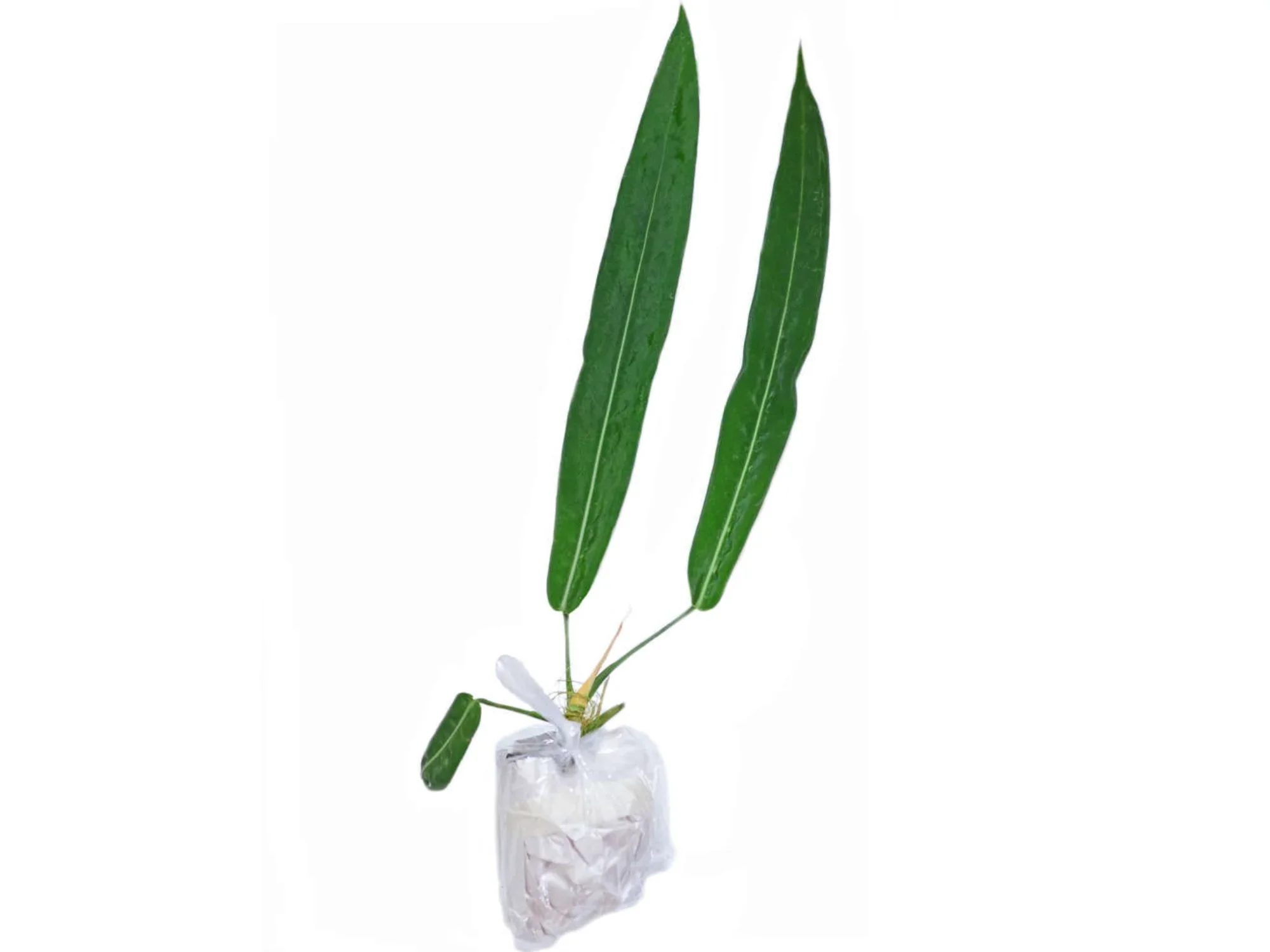
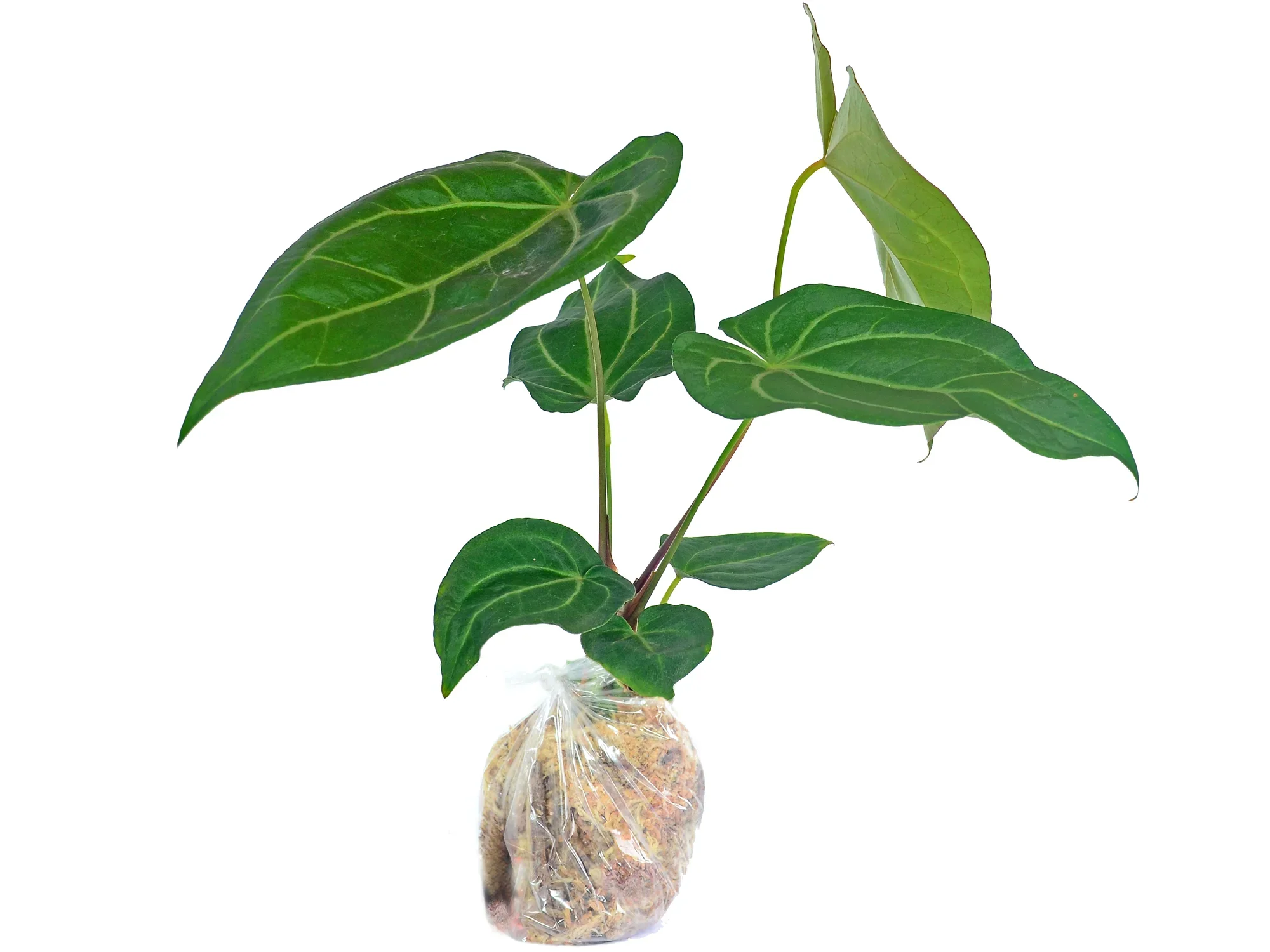
Arrival & Establishment Recommendation: Since plants may remain enclosed during shipping for several days, it is recommended to plant them promptly upon arrival in a well-draining aroid substrate and provide an initial thorough watering. This helps the roots rehydrate and supports the plant as it begins its recovery and acclimation process.
Product Information
Product Information
Shipping & Returns
Shipping & Returns
Anthurium Violin's cf Foot
Anthurium Violin's cf Foot
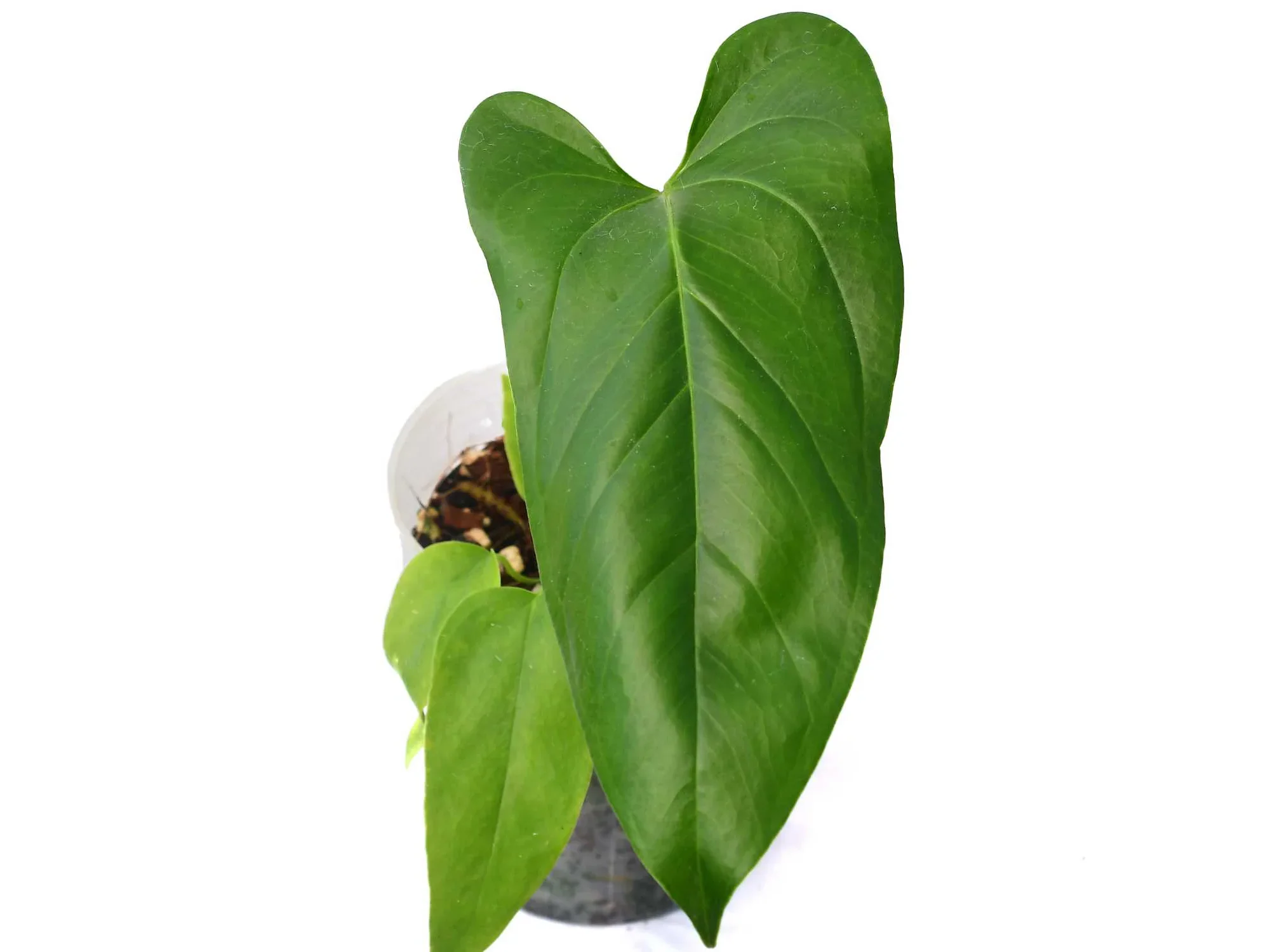
A hybrid of Anth. pandurilaminum cf × Anth. pedatum, two species from the tropical forests of South America. It produces ovate-cordiform leaves with a long acuminate apex, well-defined rounded basal lobes, a prominent midrib, and fine arching secondary venation over a semi-glossy surface.
- Light: Bright filtered light with up to 60–70% shade cloth; avoid direct sun, which can scorch the leaf surface.
- Temperature: 65–86°F (18–30°C); a warm tropical grower that performs best with stable temperatures and no cold drafts.
- Humidity: 65–85%; moderate to high humidity supports healthy leaf expansion and surface quality.
- Watering: Water thoroughly when the top layer of substrate begins to dry; avoid waterlogging while ensuring roots do not dry out completely.
Additional Notes
Hybrid Advantage: Hybridization often strengthens plant genetics, producing plants with greater vigor, adaptability, and ornamental qualities — making them excellent additions to tropical plant collections.
Arrival & Establishment Recommendation: Since plants may remain enclosed during shipping for several days, it is recommended to plant them promptly upon arrival in a well-draining aroid substrate and provide an initial thorough watering. This helps the roots rehydrate and supports the plant as it begins its recovery and acclimation process.
Product Information
Product Information
Shipping & Returns
Shipping & Returns
Description
A hybrid of Anth. pandurilaminum cf × Anth. pedatum, two species from the tropical forests of South America. It produces ovate-cordiform leaves with a long acuminate apex, well-defined rounded basal lobes, a prominent midrib, and fine arching secondary venation over a semi-glossy surface.
- Light: Bright filtered light with up to 60–70% shade cloth; avoid direct sun, which can scorch the leaf surface.
- Temperature: 65–86°F (18–30°C); a warm tropical grower that performs best with stable temperatures and no cold drafts.
- Humidity: 65–85%; moderate to high humidity supports healthy leaf expansion and surface quality.
- Watering: Water thoroughly when the top layer of substrate begins to dry; avoid waterlogging while ensuring roots do not dry out completely.
Additional Notes
Hybrid Advantage: Hybridization often strengthens plant genetics, producing plants with greater vigor, adaptability, and ornamental qualities — making them excellent additions to tropical plant collections.
Arrival & Establishment Recommendation: Since plants may remain enclosed during shipping for several days, it is recommended to plant them promptly upon arrival in a well-draining aroid substrate and provide an initial thorough watering. This helps the roots rehydrate and supports the plant as it begins its recovery and acclimation process.