Epidendrum bivalve
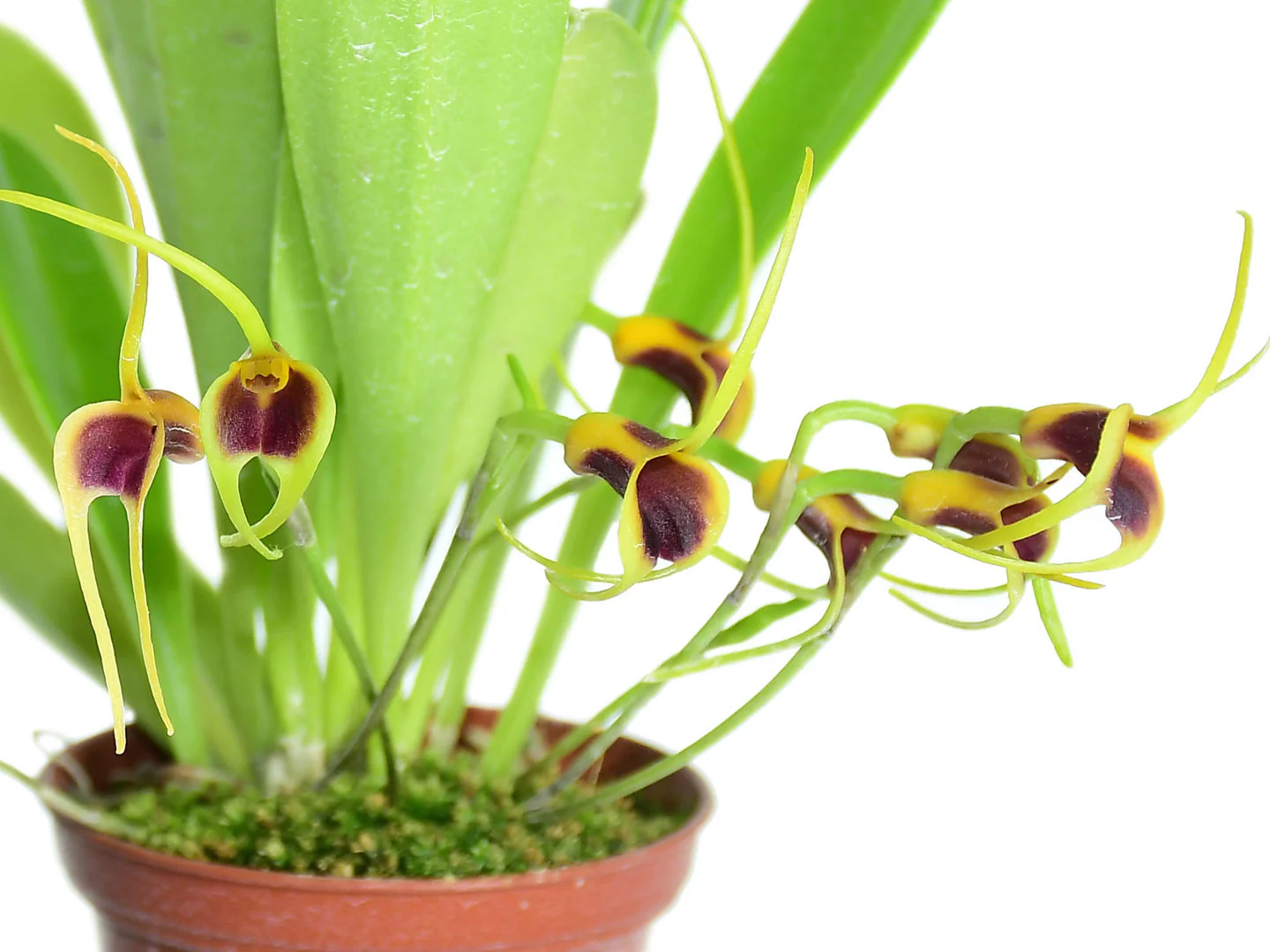
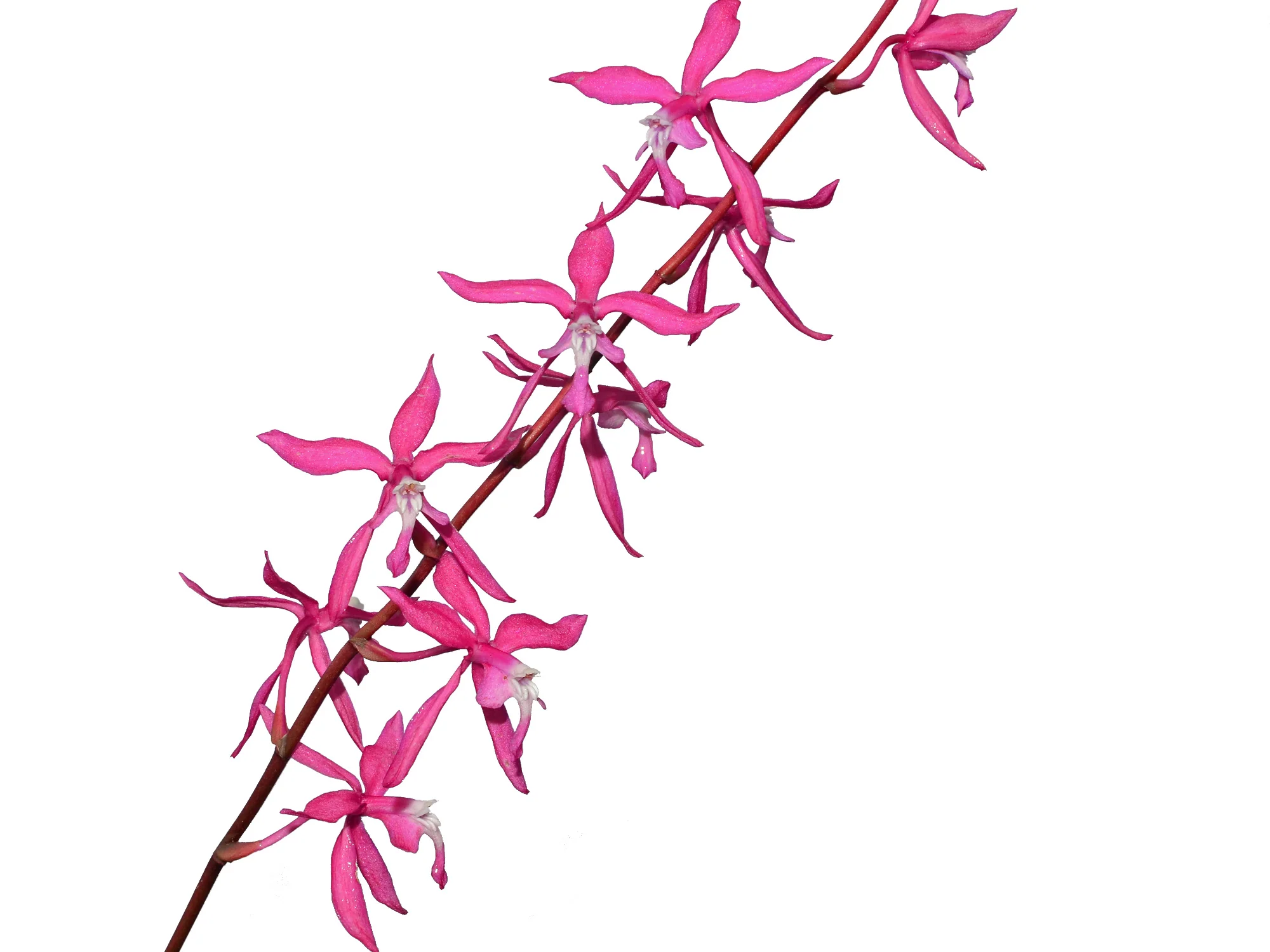
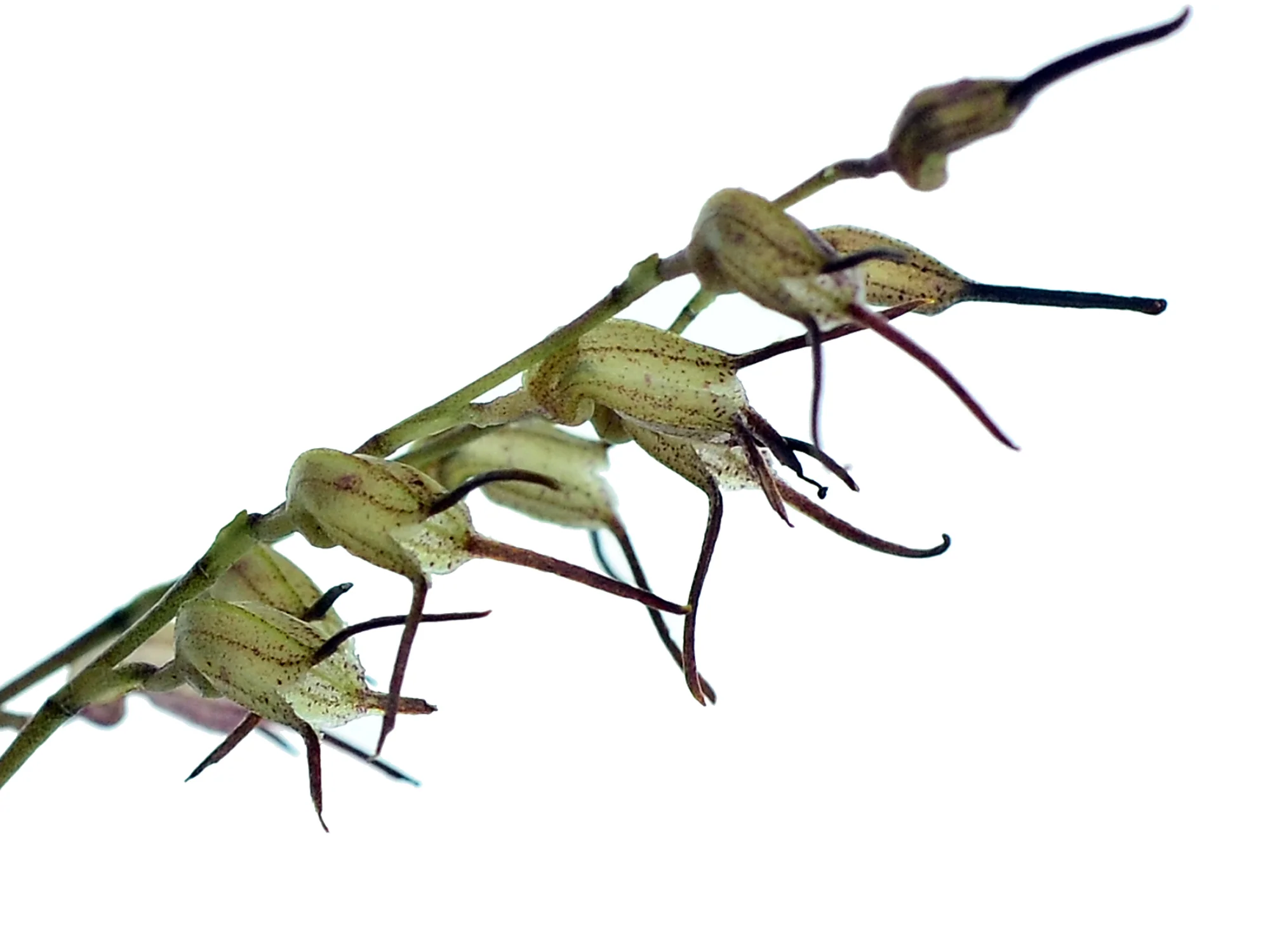
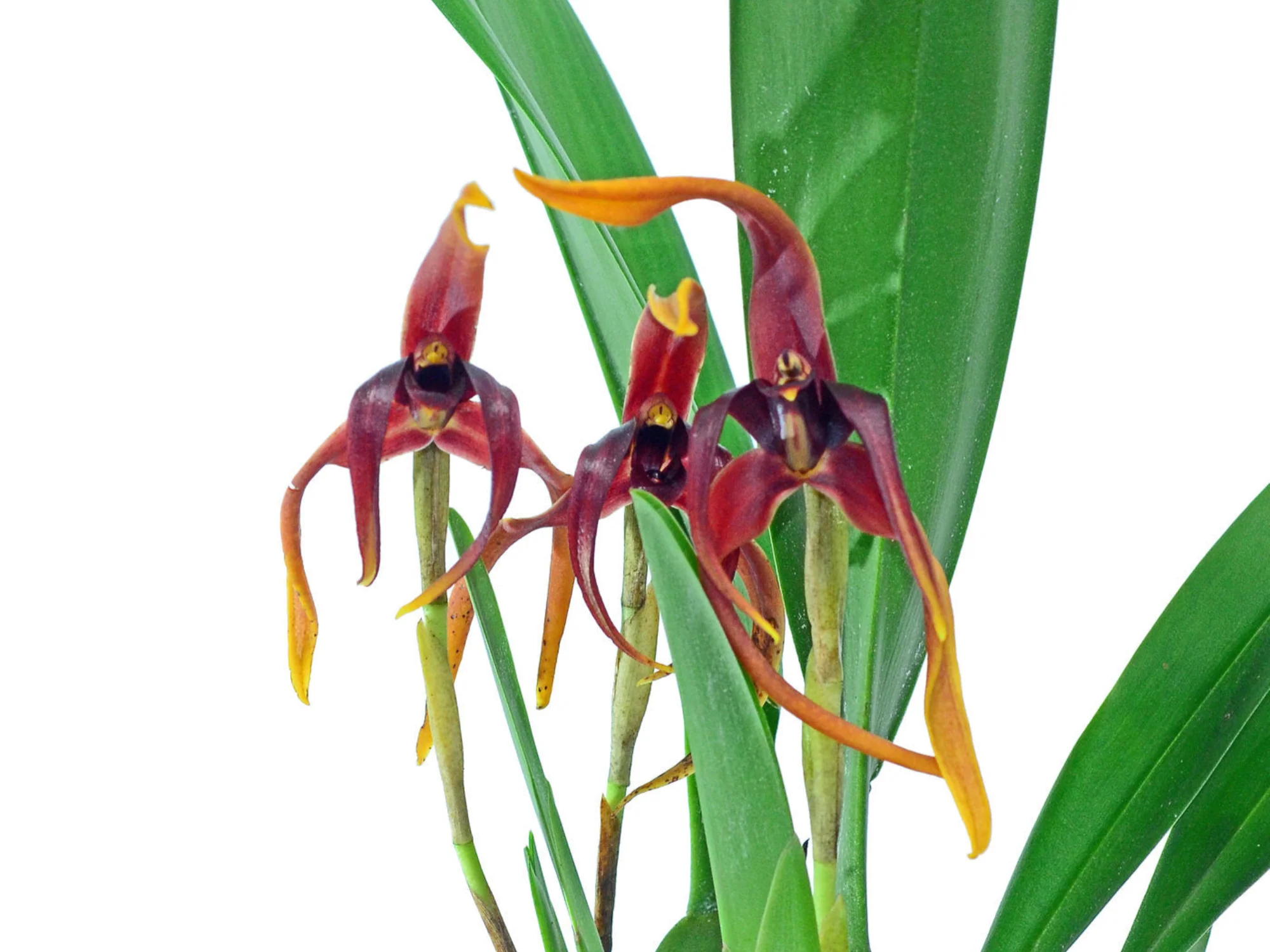
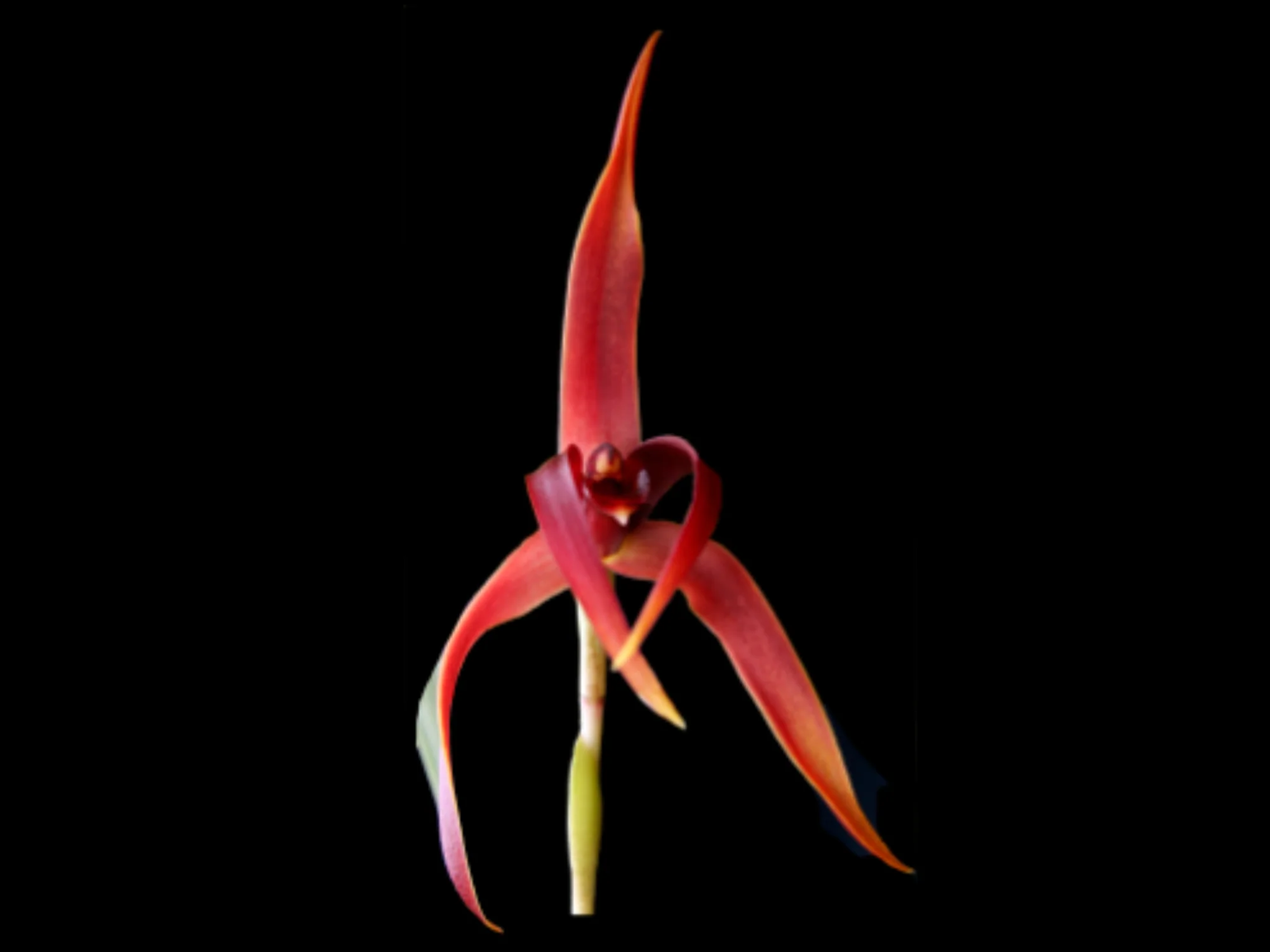
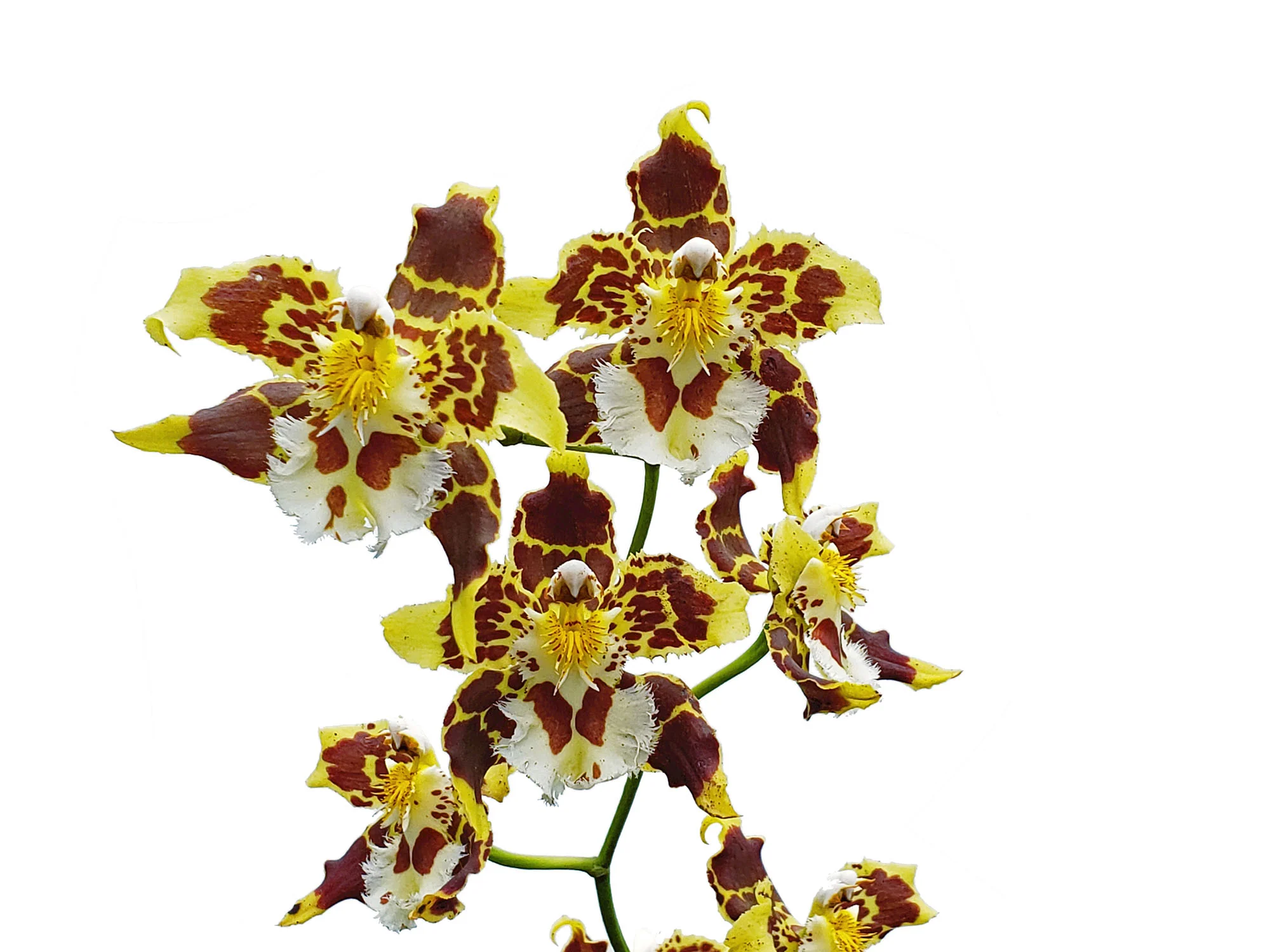
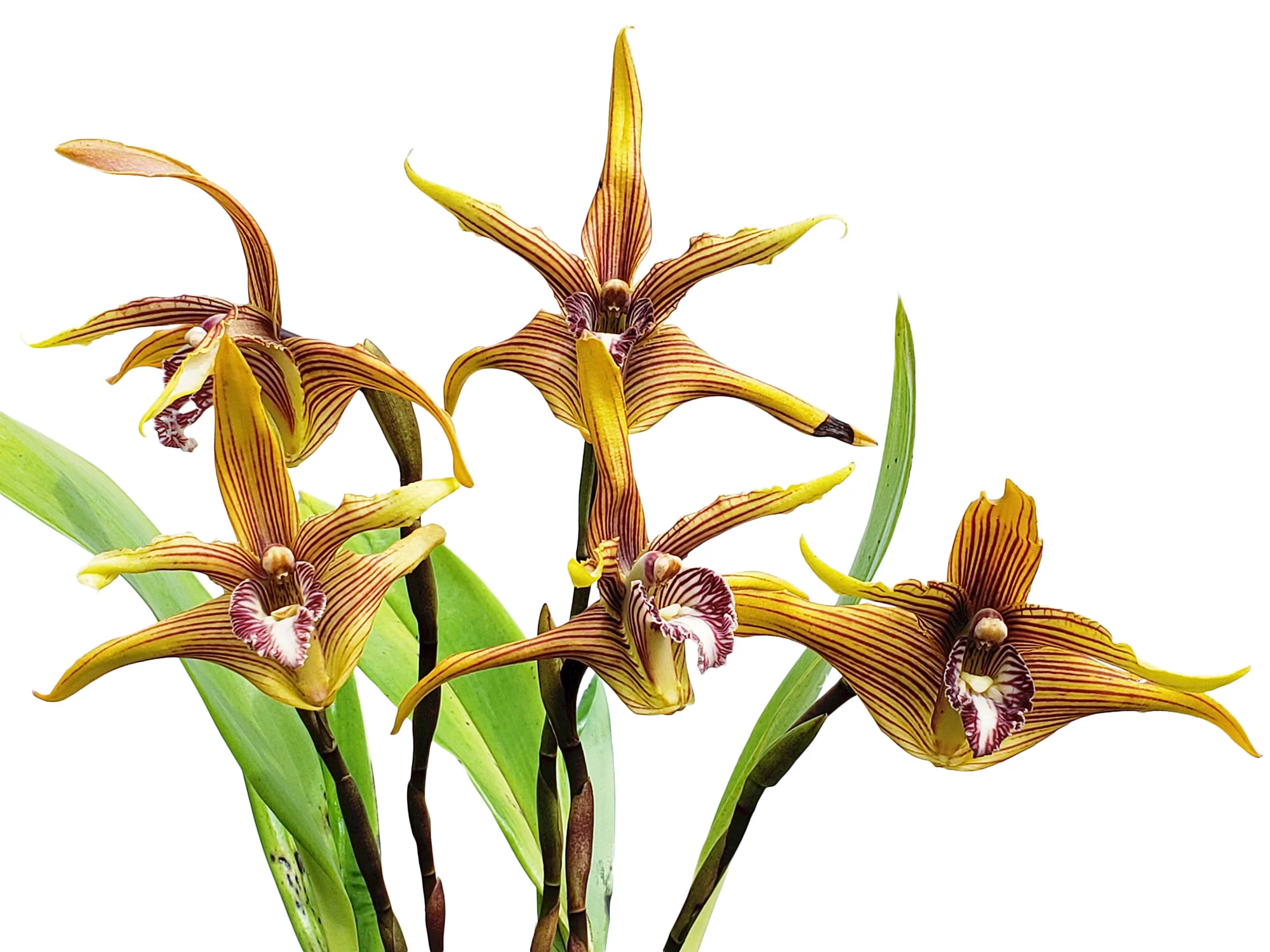
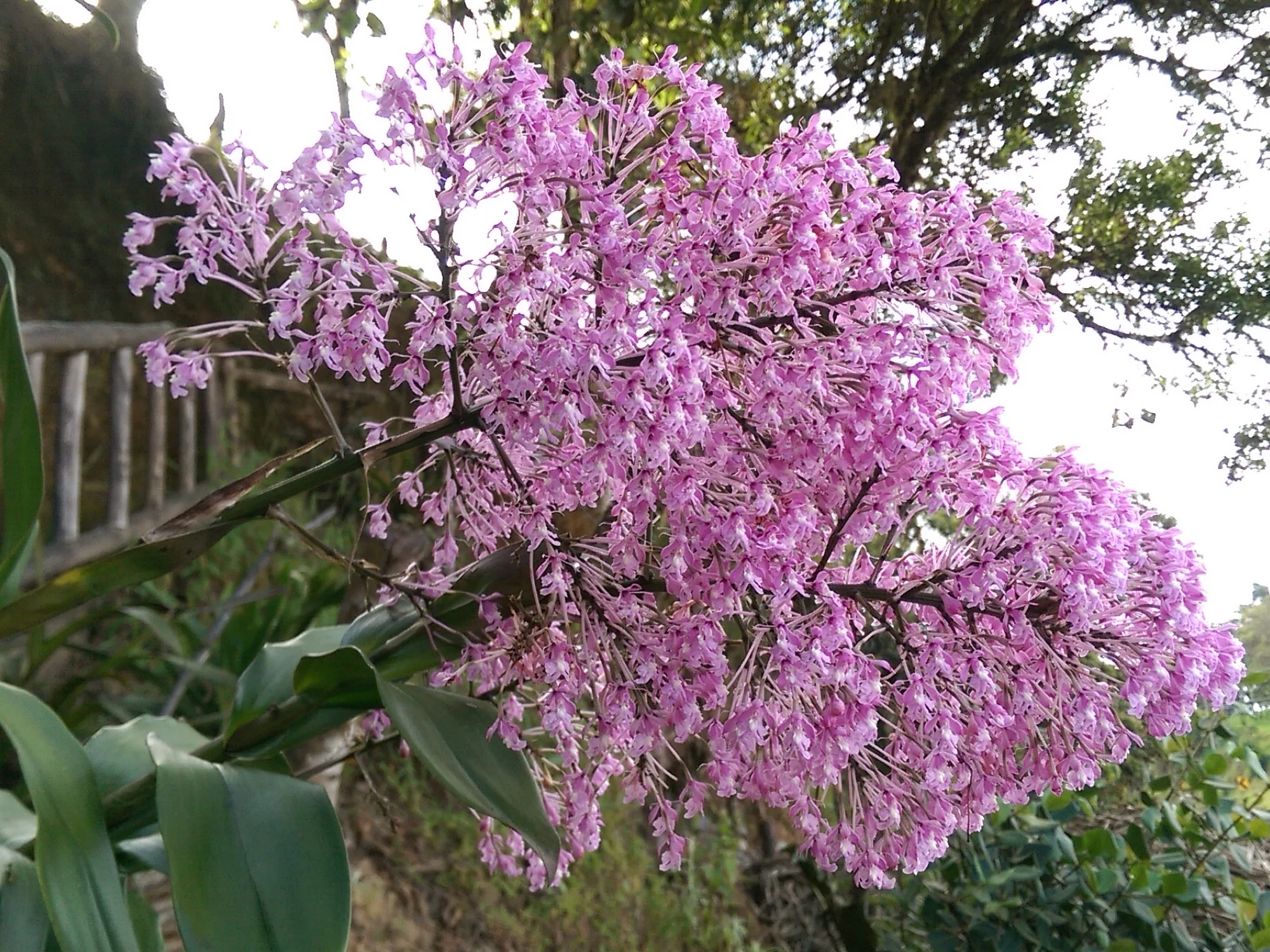
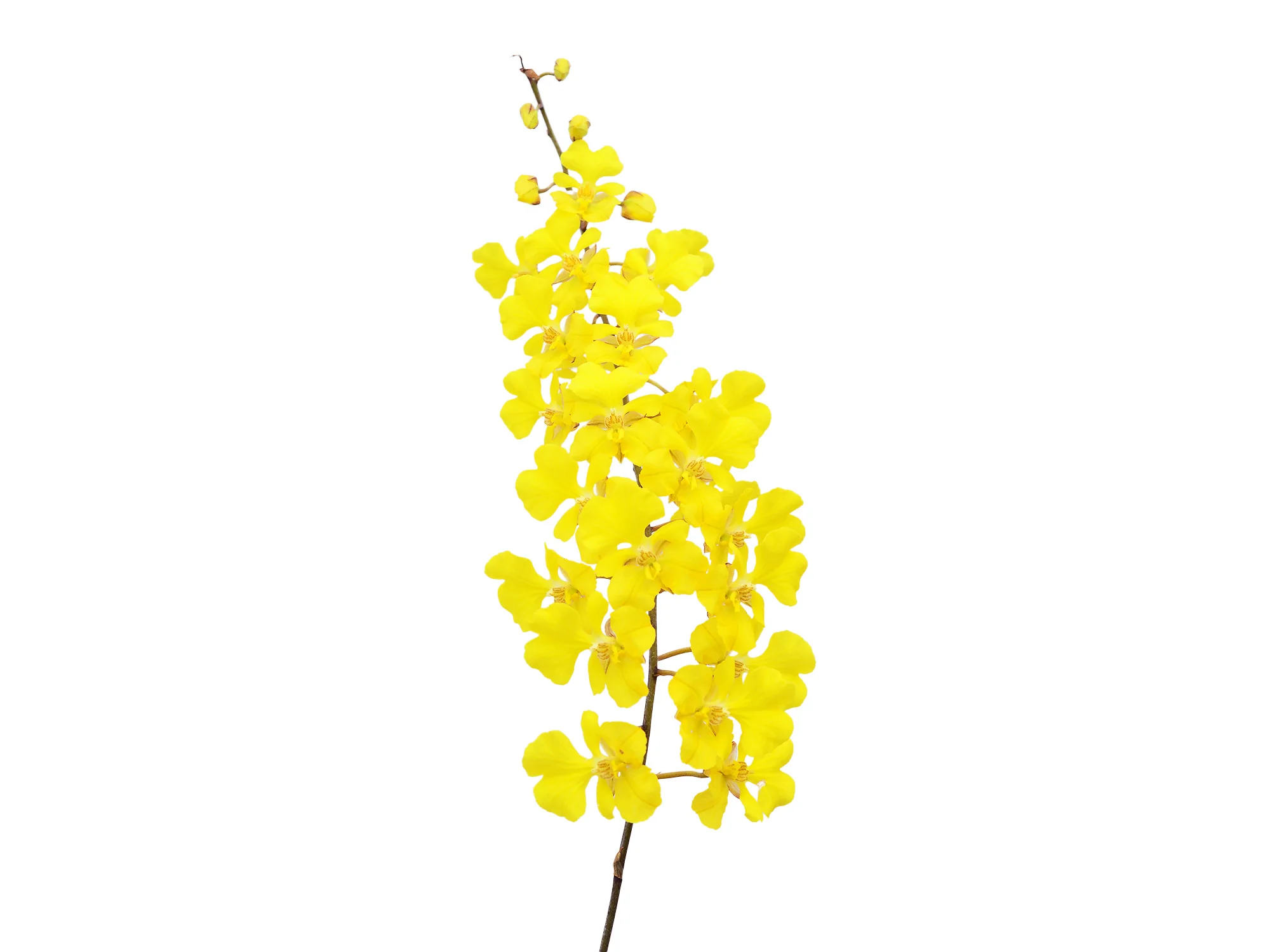
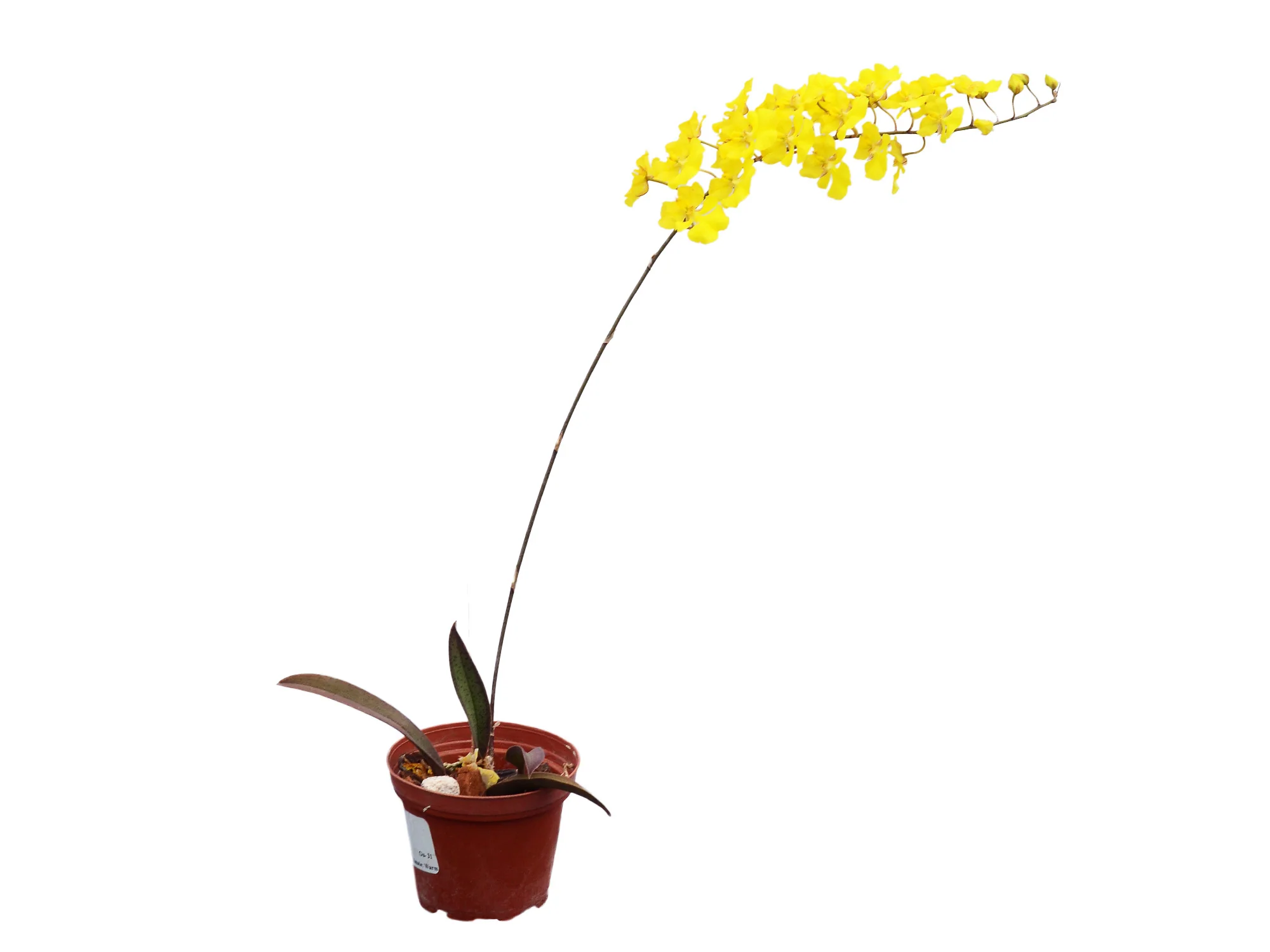
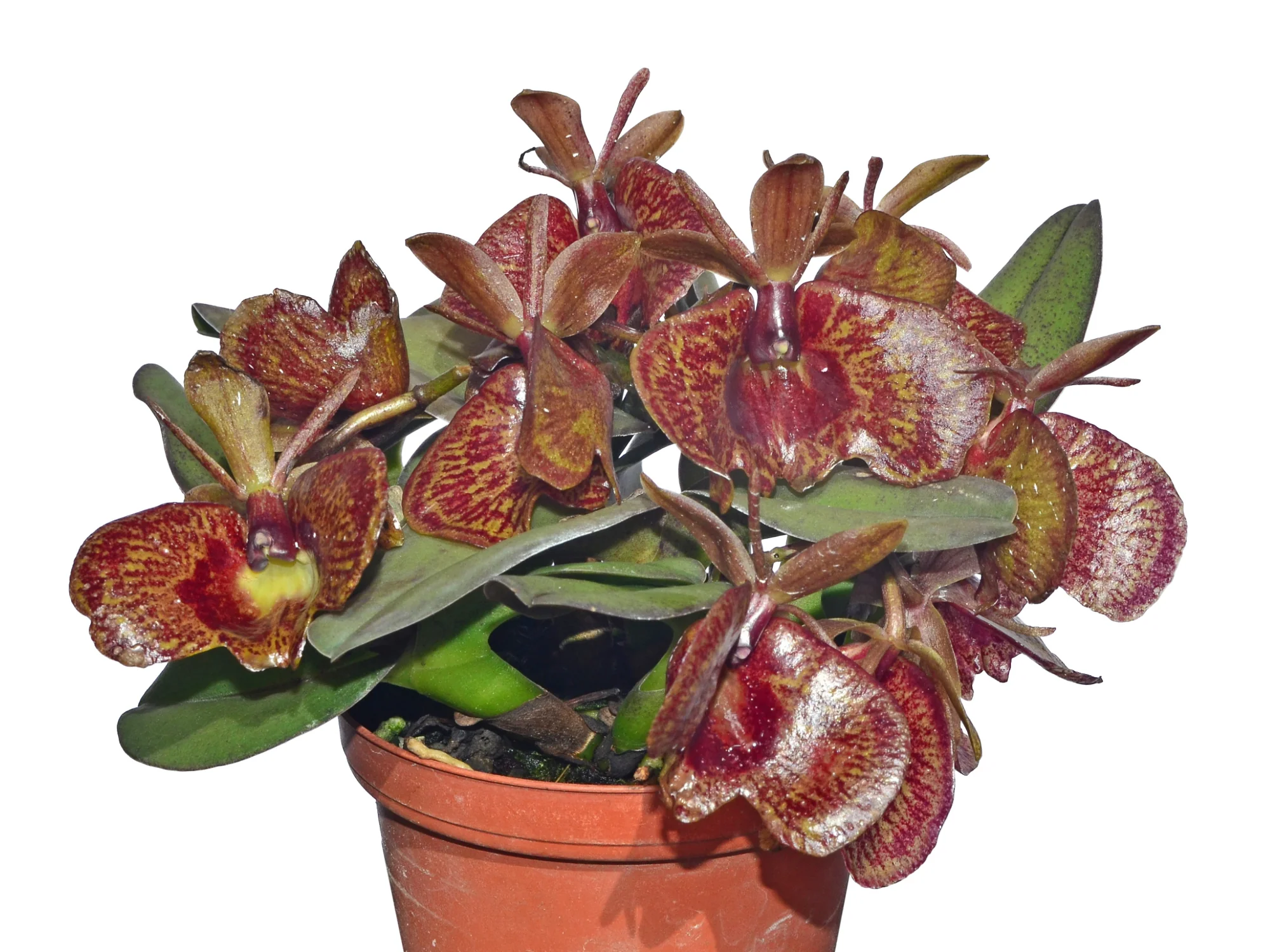
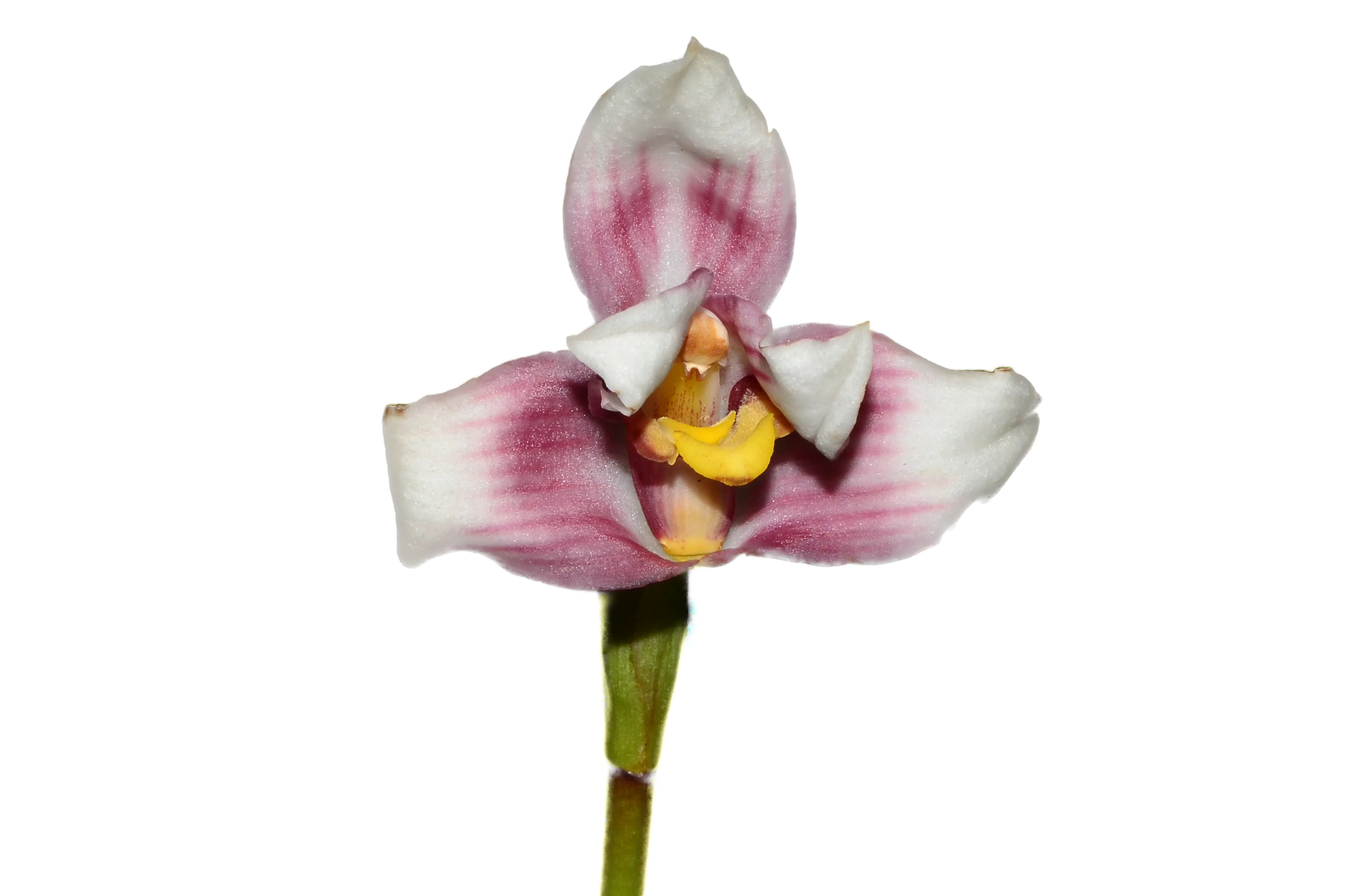
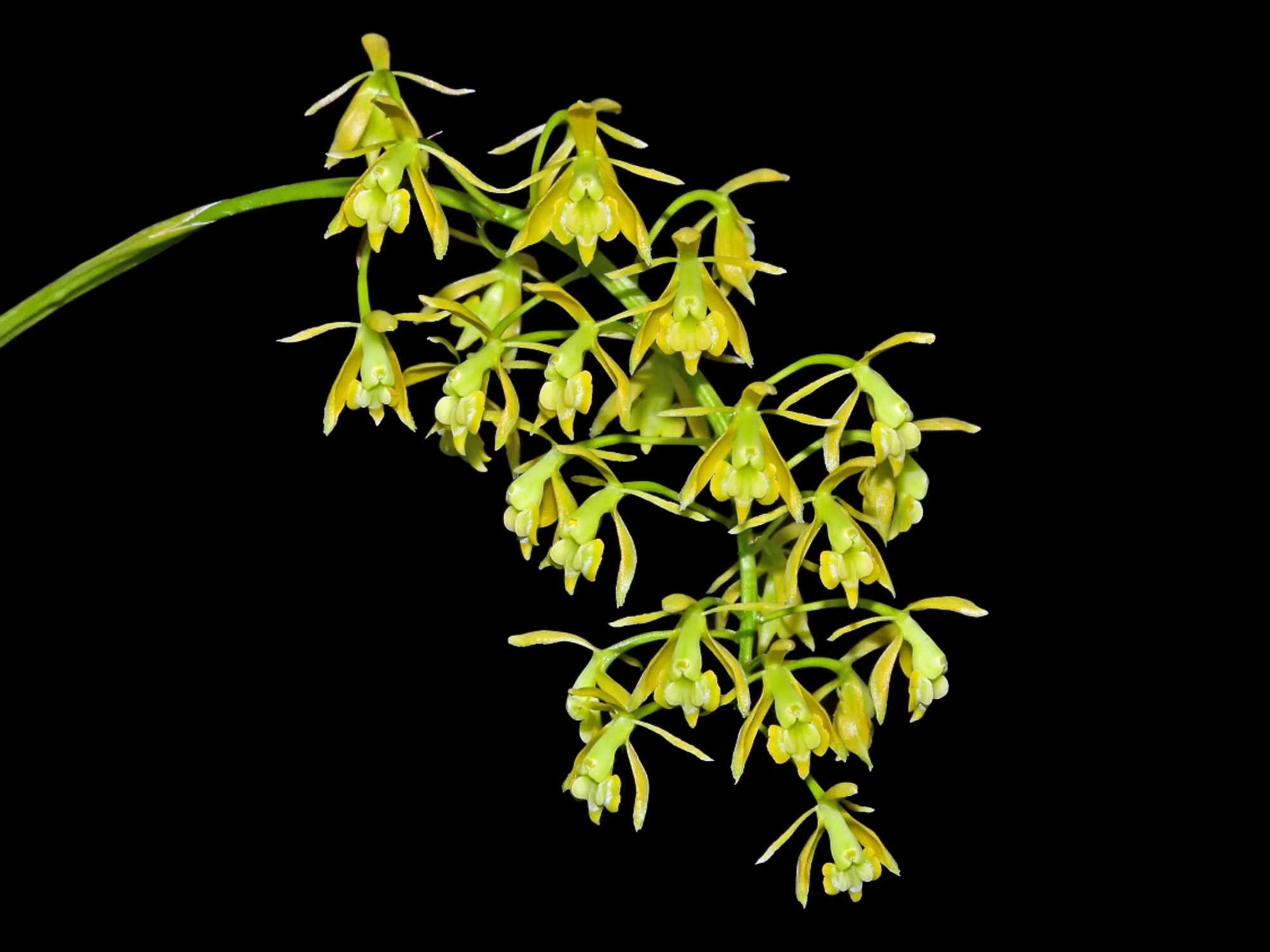
A reed-stem orchid from the Andean cloud forests of South America, producing loose corymbs of nodding flowers with reflexed linear sepals, narrow petals, and a distinctively trilobed lip with rounded lateral lobes and a deeply bilobed central lobe — the bivalve-like lip structure that gives the species its name. The compact canes carry strap-like leaves and bloom freely under intermediate-cool conditions.
- Light: Bright indirect light with 50–60% shade cloth; avoid direct midday sun, which can scorch the foliage.
- Temperature: 54–72°F (12–22°C); an intermediate-cool grower that benefits from mild days and cool nights with good air movement.
- Humidity: 70–85%; consistent humidity supports healthy cane development and reliable flowering.
- Watering: Water thoroughly and allow the substrate to approach dryness between waterings; avoid prolonged saturation at the roots.
Additional Notes
A species from the Andean cloud forests of South America, best grown in a well-draining bark-based mix or mounted on cork. Ships bare root, well-established.
Product Information
Product Information
Shipping & Returns
Shipping & Returns

Epidendrum bivalve
Epidendrum bivalve
A reed-stem orchid from the Andean cloud forests of South America, producing loose corymbs of nodding flowers with reflexed linear sepals, narrow petals, and a distinctively trilobed lip with rounded lateral lobes and a deeply bilobed central lobe — the bivalve-like lip structure that gives the species its name. The compact canes carry strap-like leaves and bloom freely under intermediate-cool conditions.
- Light: Bright indirect light with 50–60% shade cloth; avoid direct midday sun, which can scorch the foliage.
- Temperature: 54–72°F (12–22°C); an intermediate-cool grower that benefits from mild days and cool nights with good air movement.
- Humidity: 70–85%; consistent humidity supports healthy cane development and reliable flowering.
- Watering: Water thoroughly and allow the substrate to approach dryness between waterings; avoid prolonged saturation at the roots.
Additional Notes
A species from the Andean cloud forests of South America, best grown in a well-draining bark-based mix or mounted on cork. Ships bare root, well-established.
Original: $16.00
-65%$16.00
$5.60Product Information
Product Information
Shipping & Returns
Shipping & Returns
Description
A reed-stem orchid from the Andean cloud forests of South America, producing loose corymbs of nodding flowers with reflexed linear sepals, narrow petals, and a distinctively trilobed lip with rounded lateral lobes and a deeply bilobed central lobe — the bivalve-like lip structure that gives the species its name. The compact canes carry strap-like leaves and bloom freely under intermediate-cool conditions.
- Light: Bright indirect light with 50–60% shade cloth; avoid direct midday sun, which can scorch the foliage.
- Temperature: 54–72°F (12–22°C); an intermediate-cool grower that benefits from mild days and cool nights with good air movement.
- Humidity: 70–85%; consistent humidity supports healthy cane development and reliable flowering.
- Watering: Water thoroughly and allow the substrate to approach dryness between waterings; avoid prolonged saturation at the roots.
Additional Notes
A species from the Andean cloud forests of South America, best grown in a well-draining bark-based mix or mounted on cork. Ships bare root, well-established.