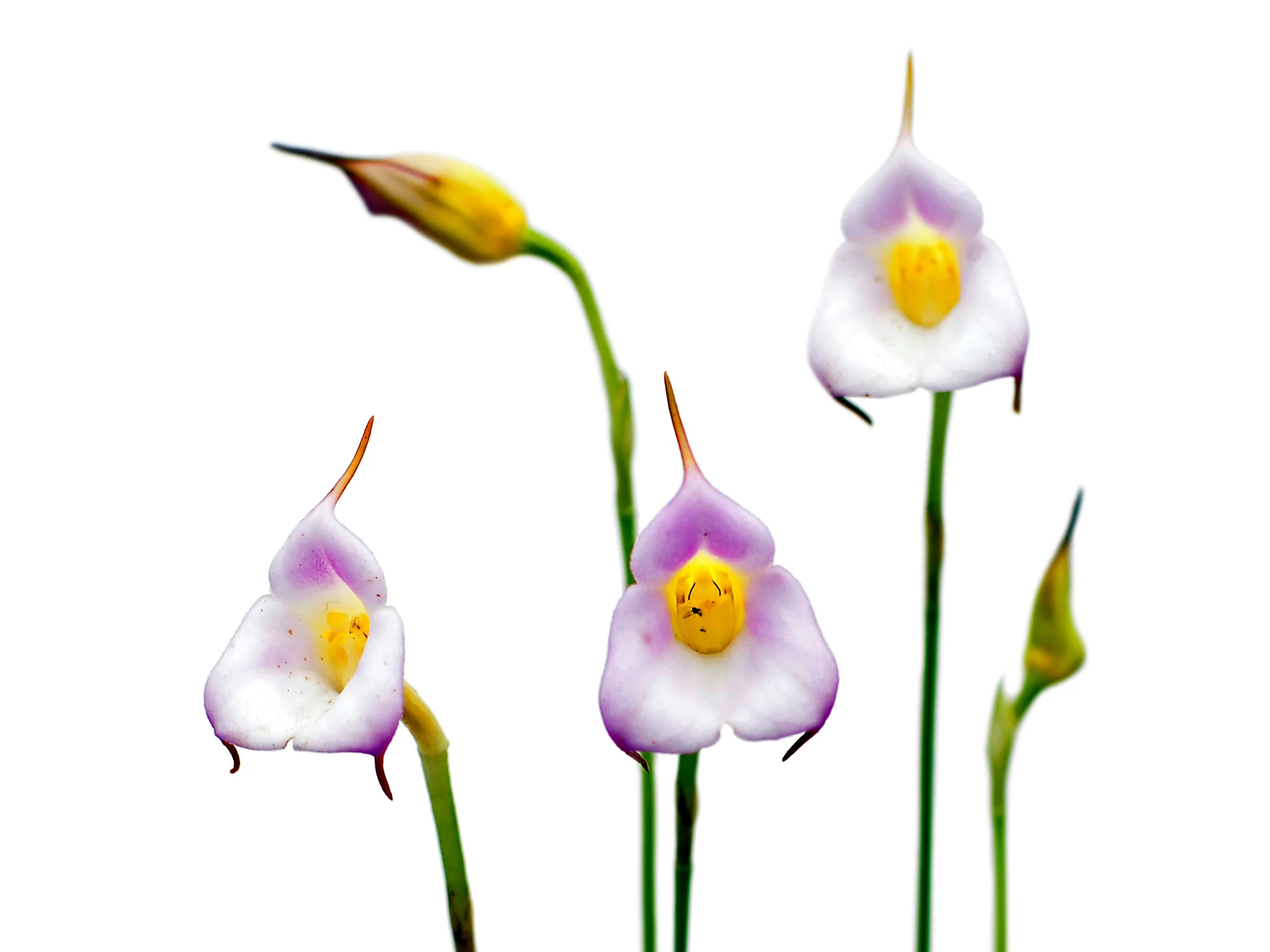
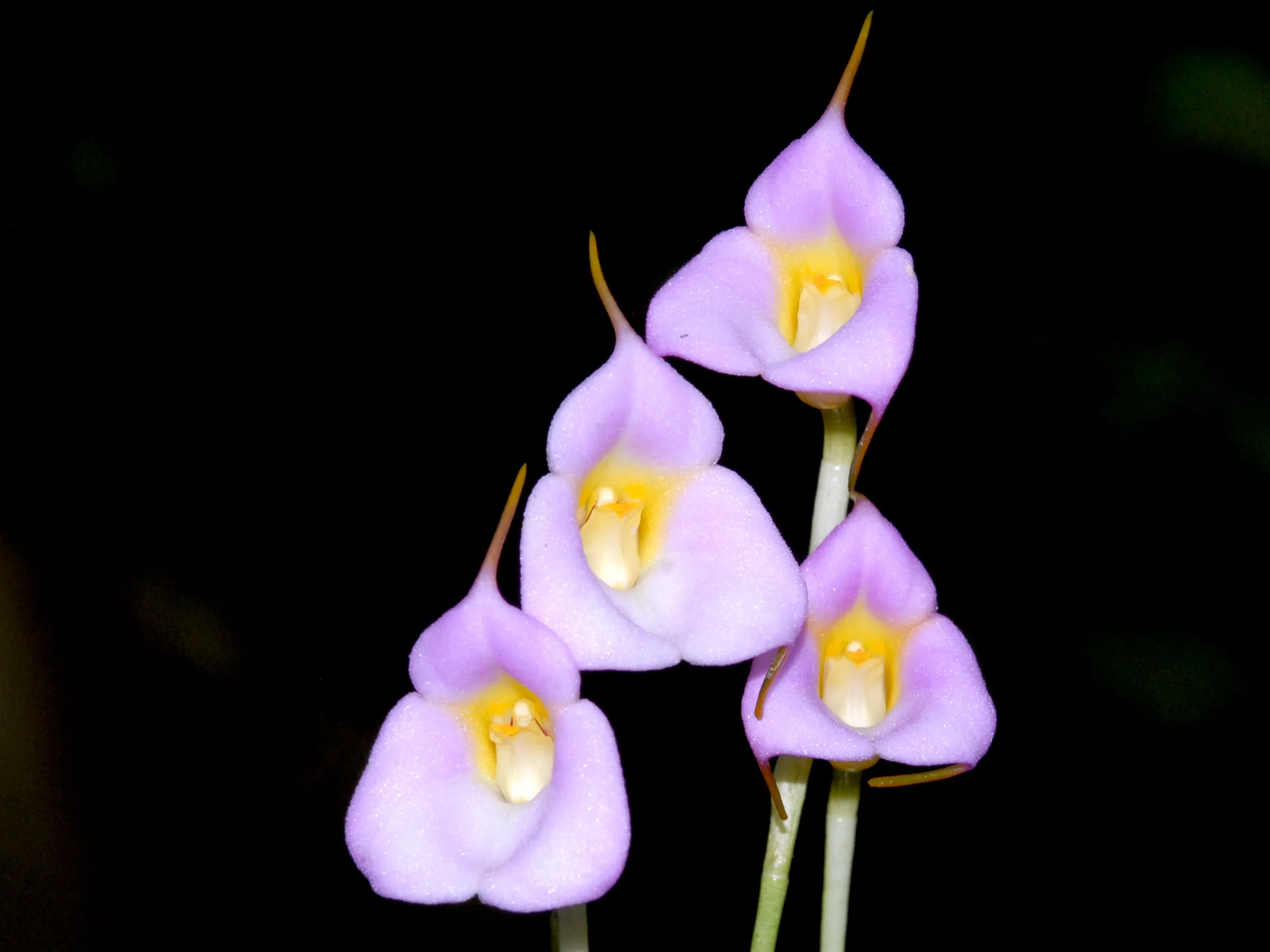
Masdevallia impostor
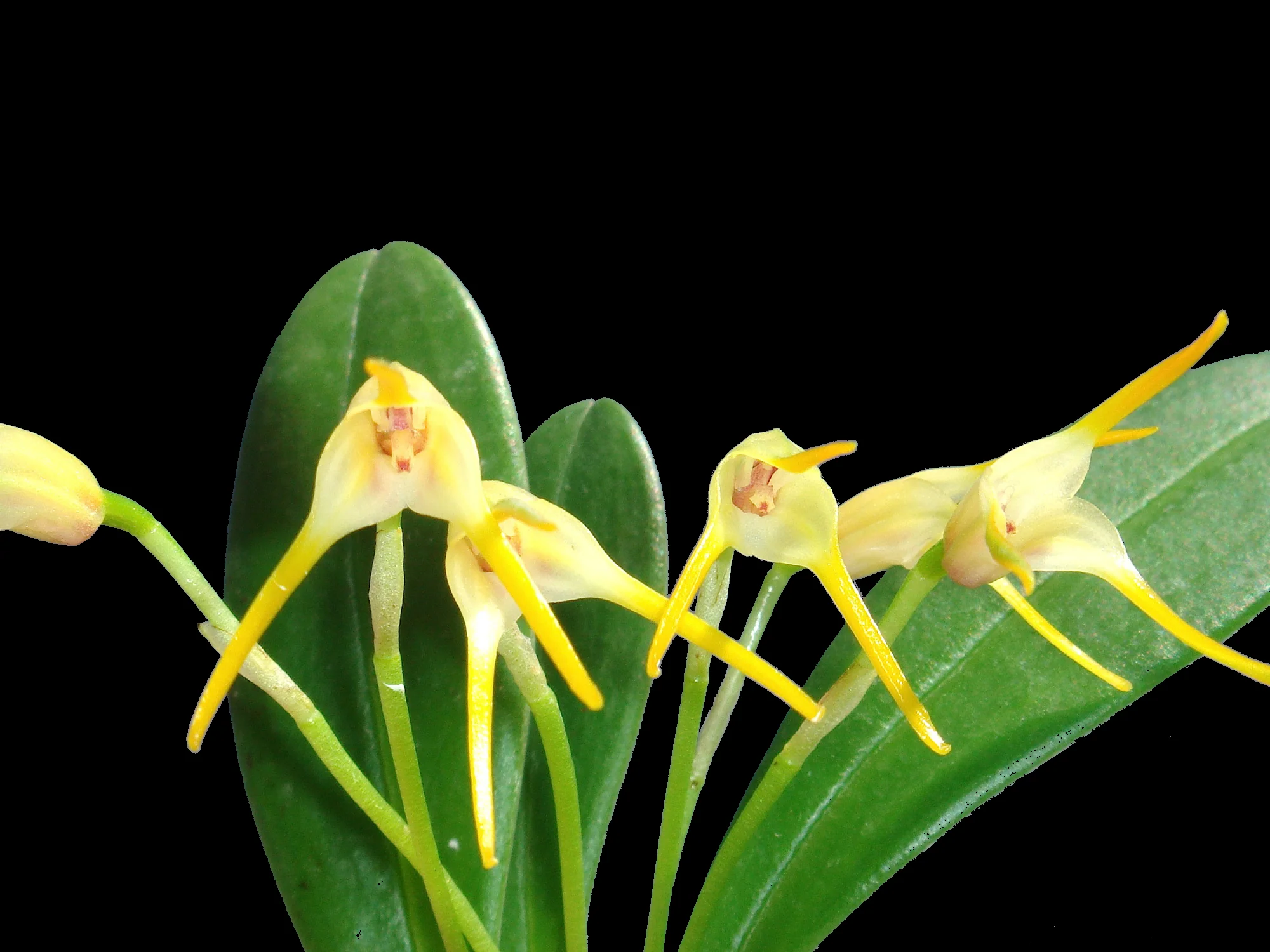
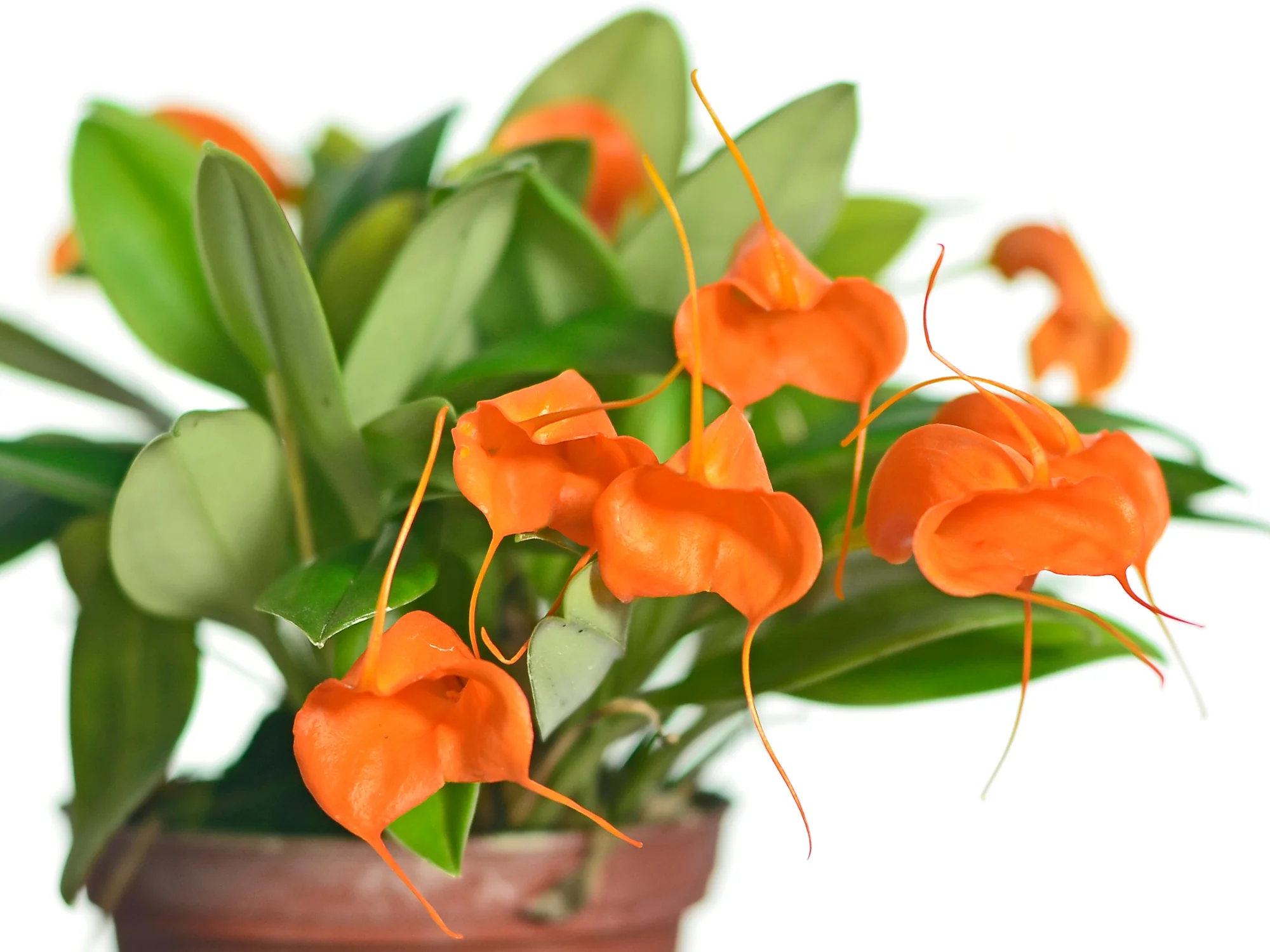
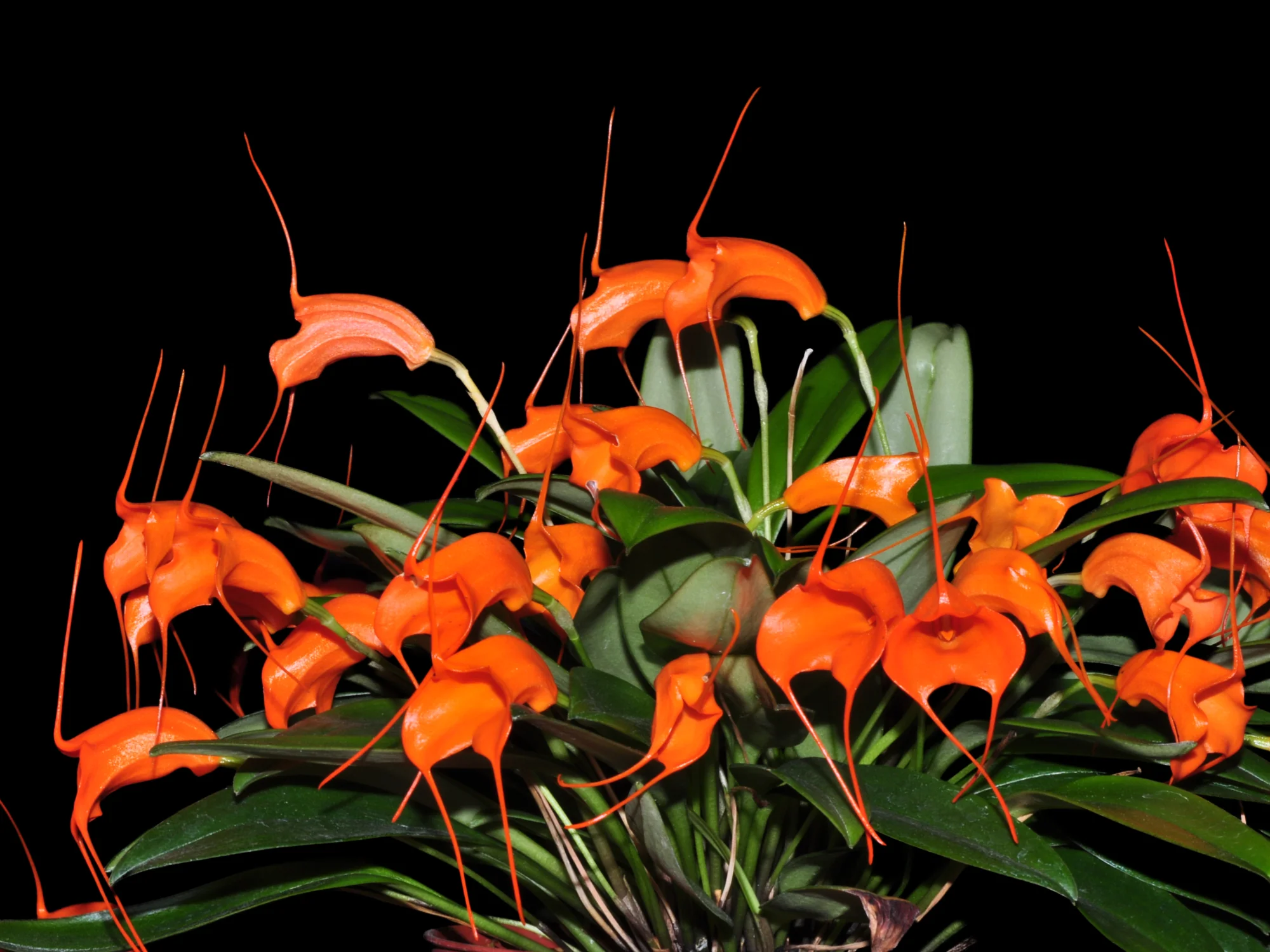
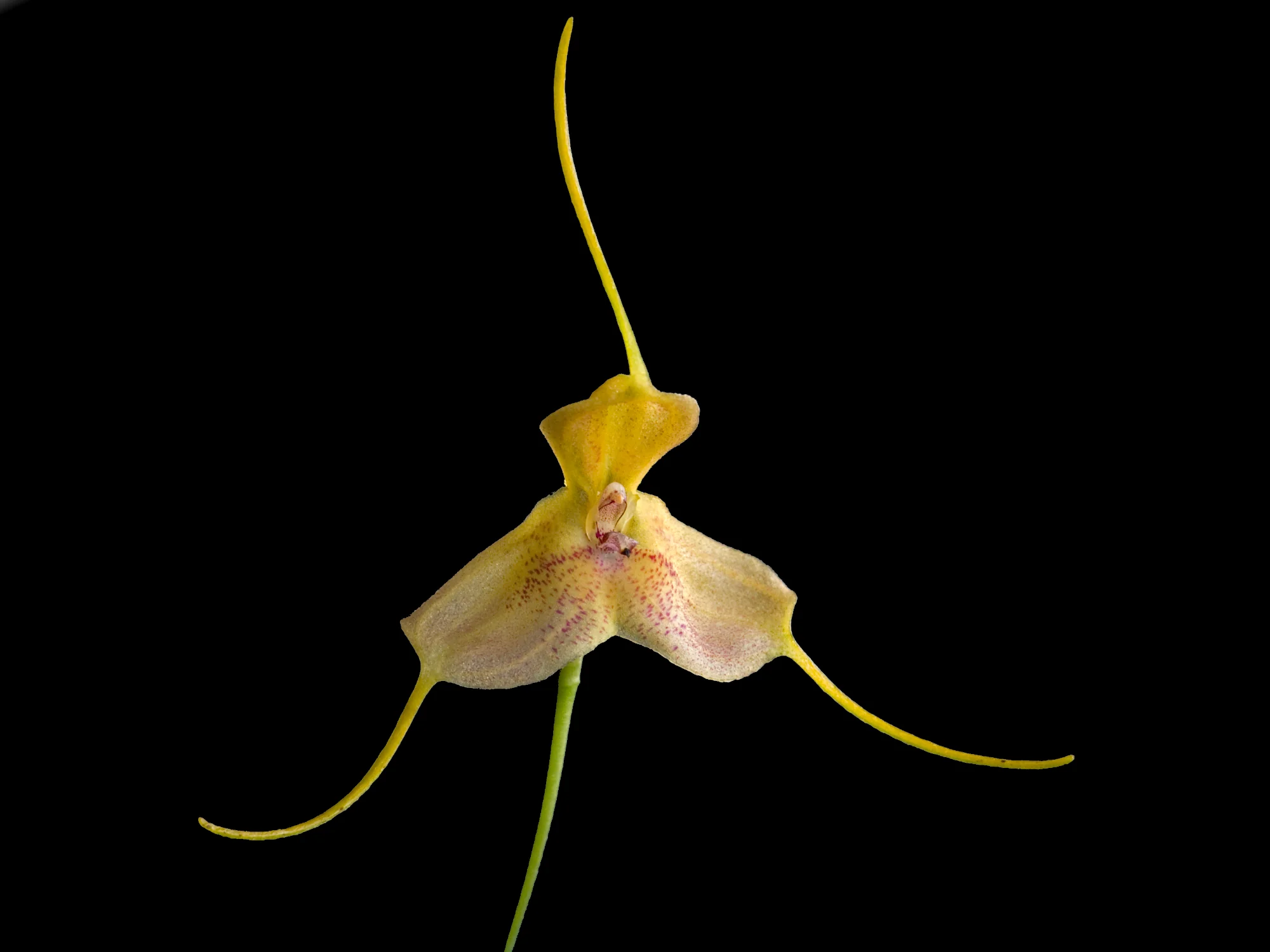
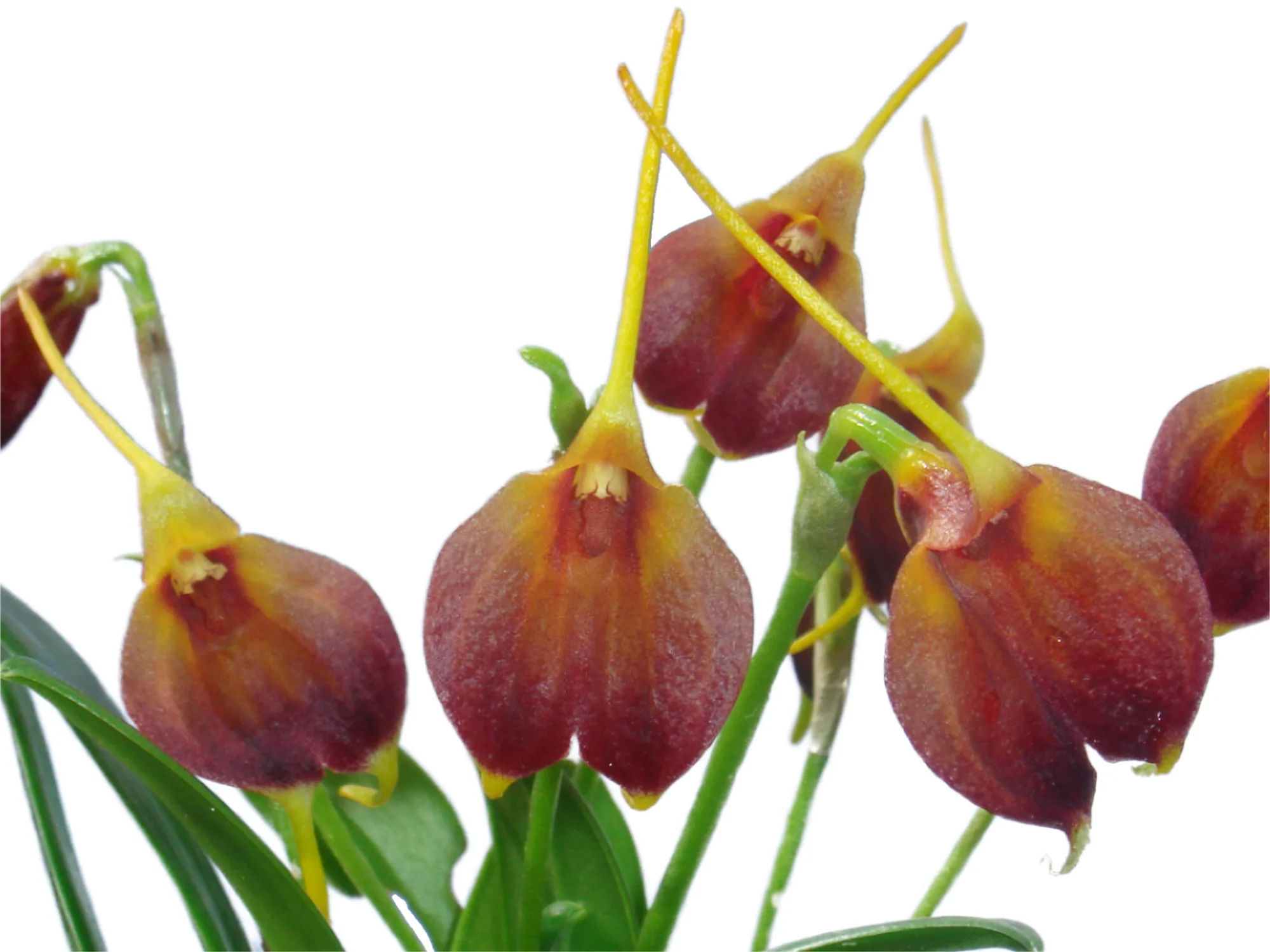
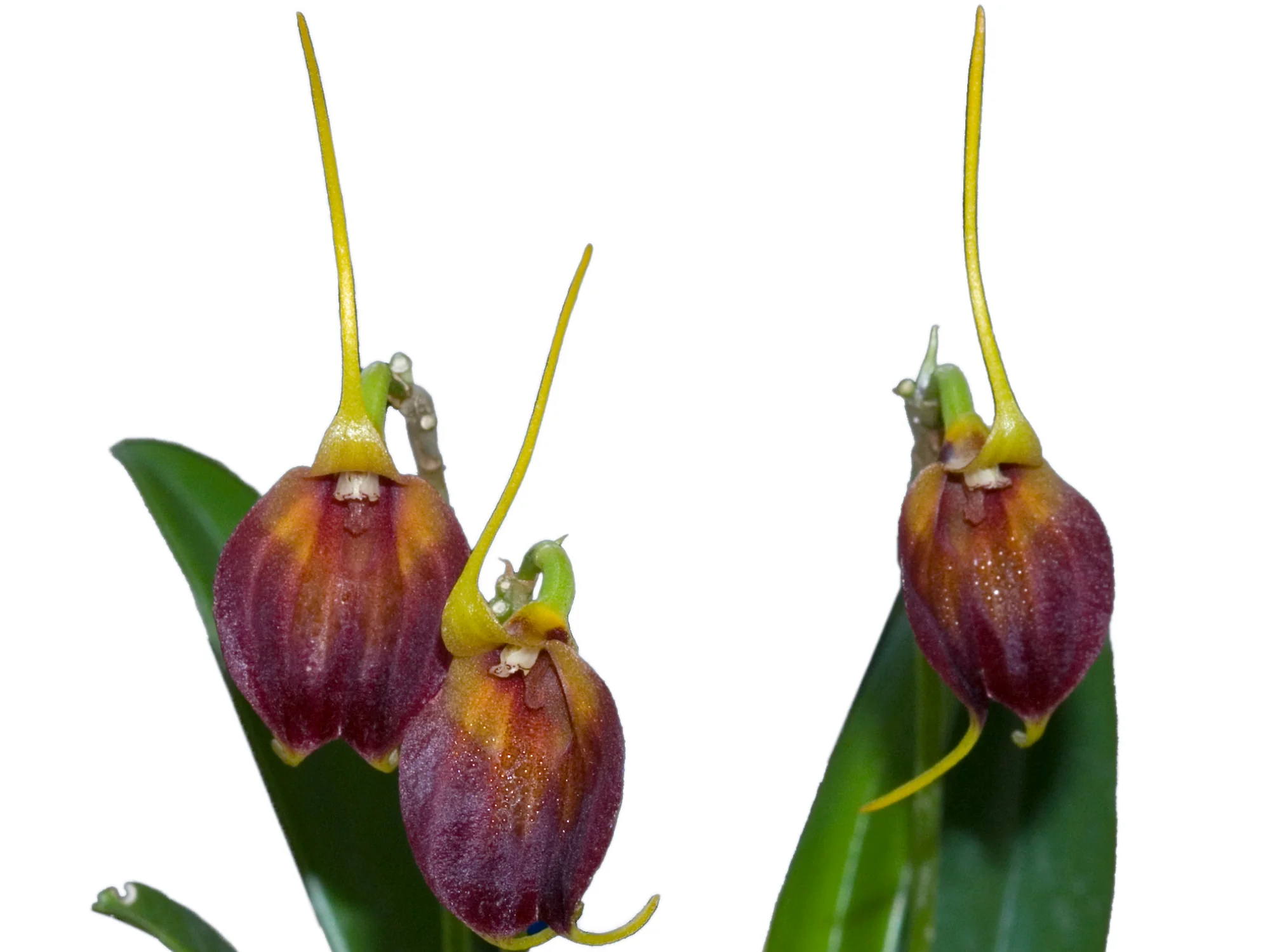
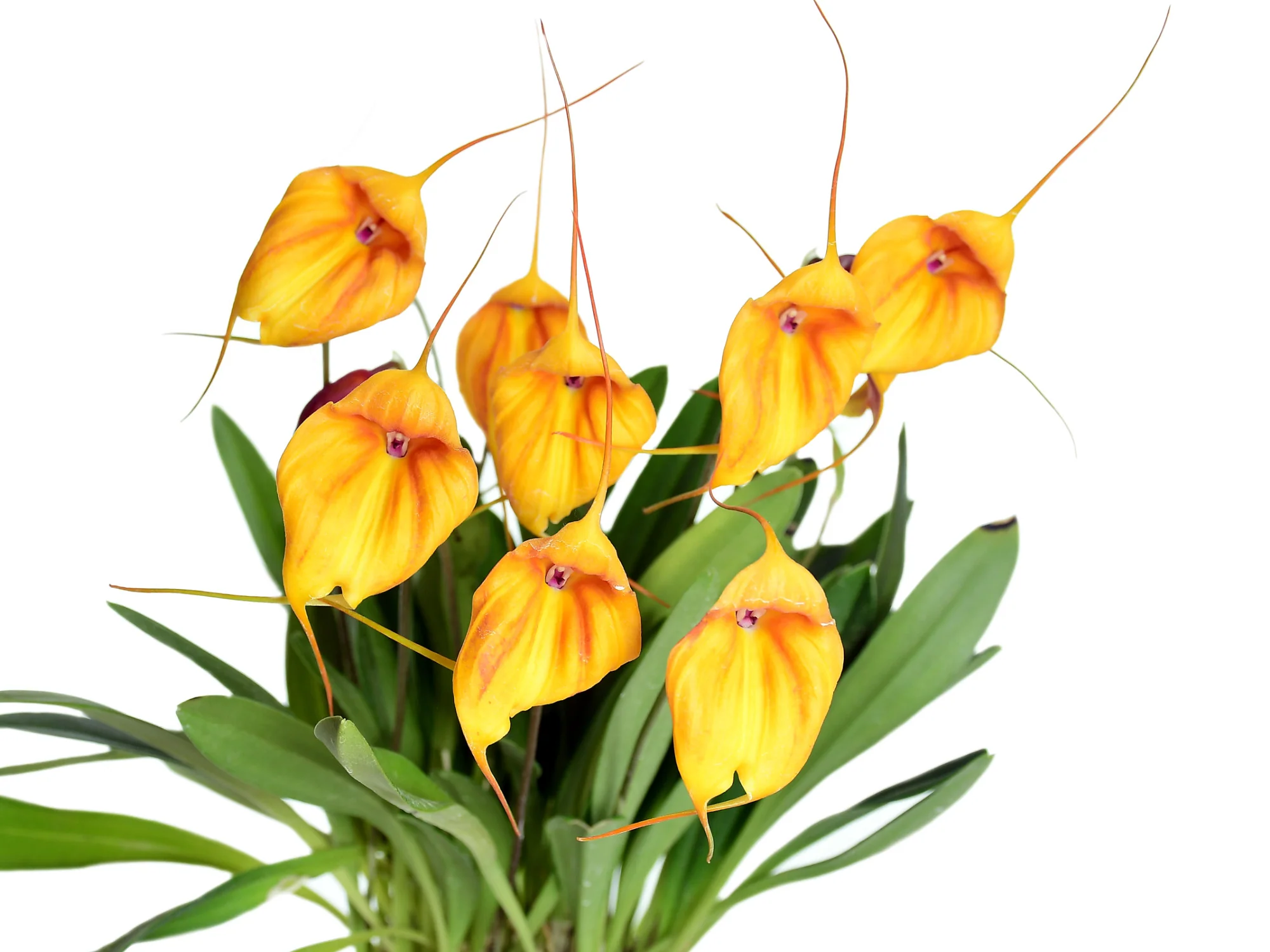
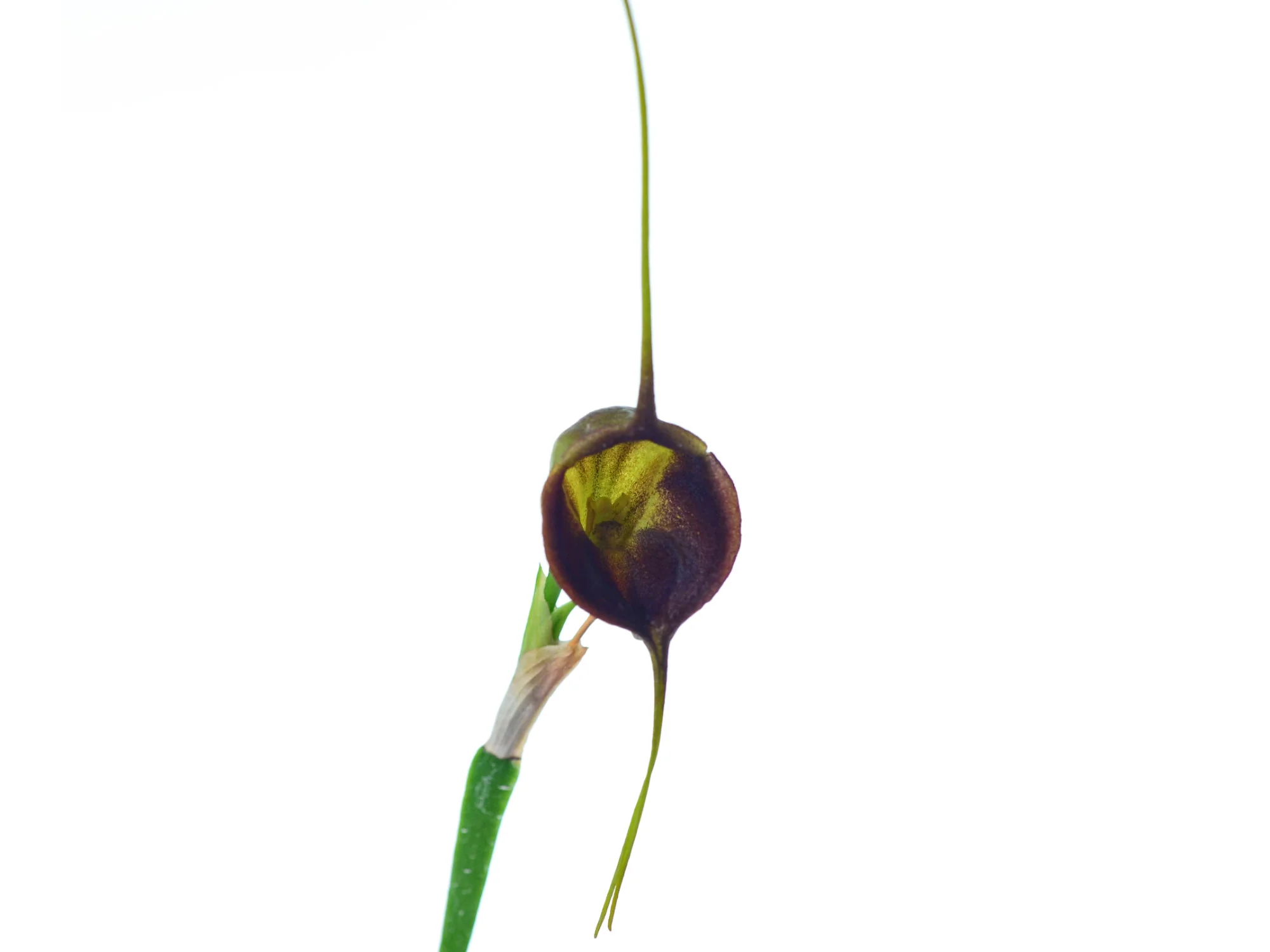
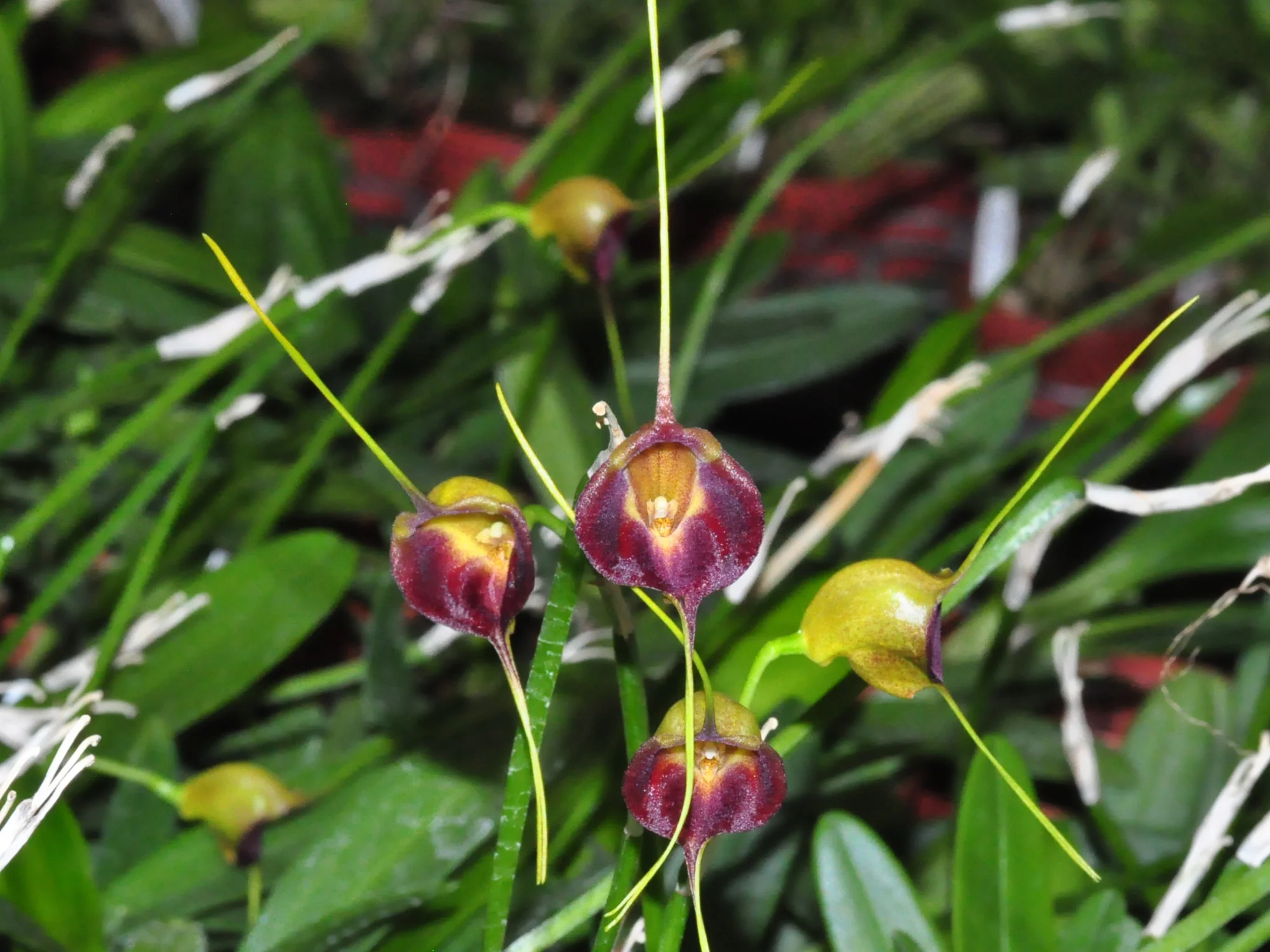
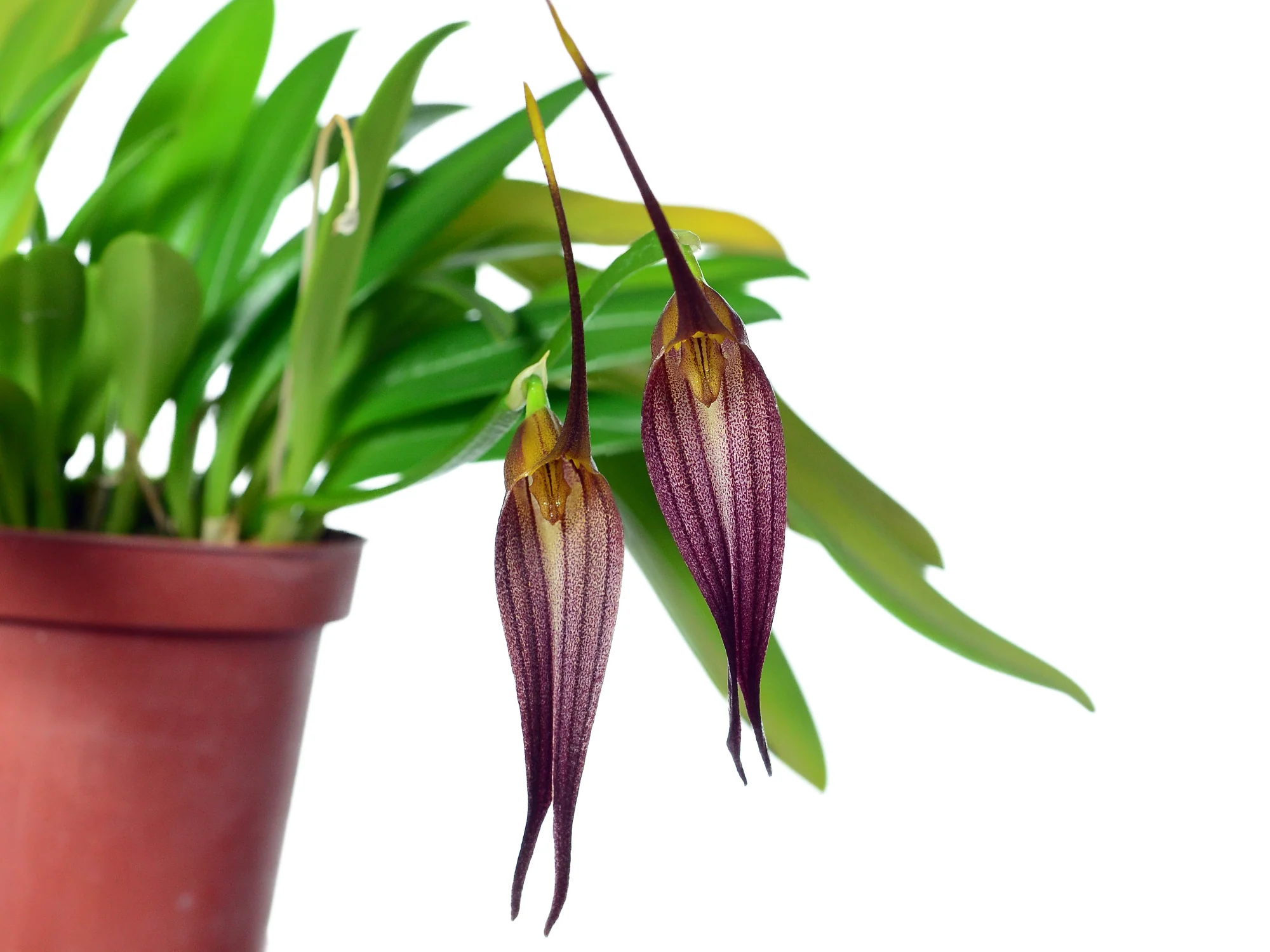
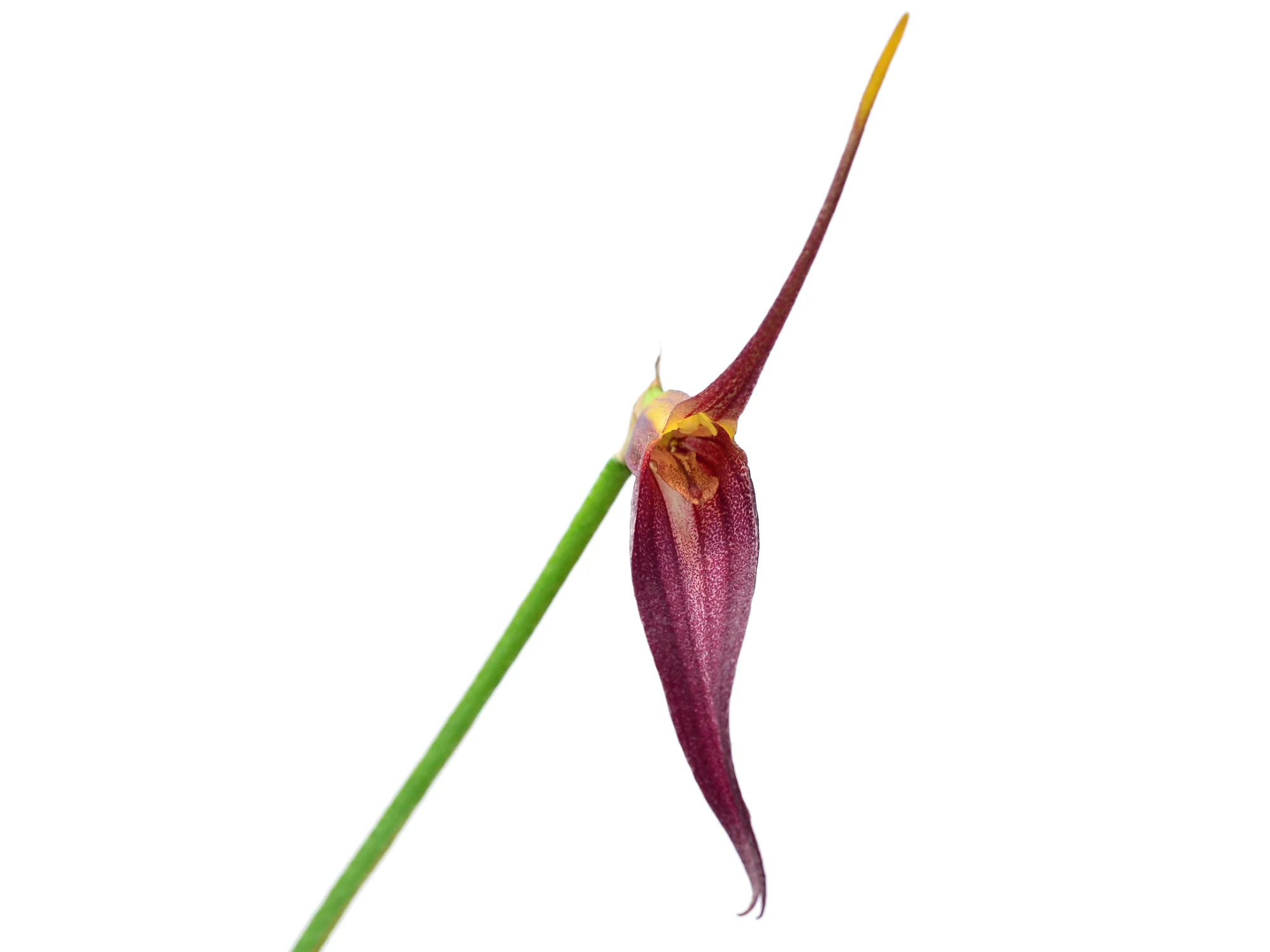
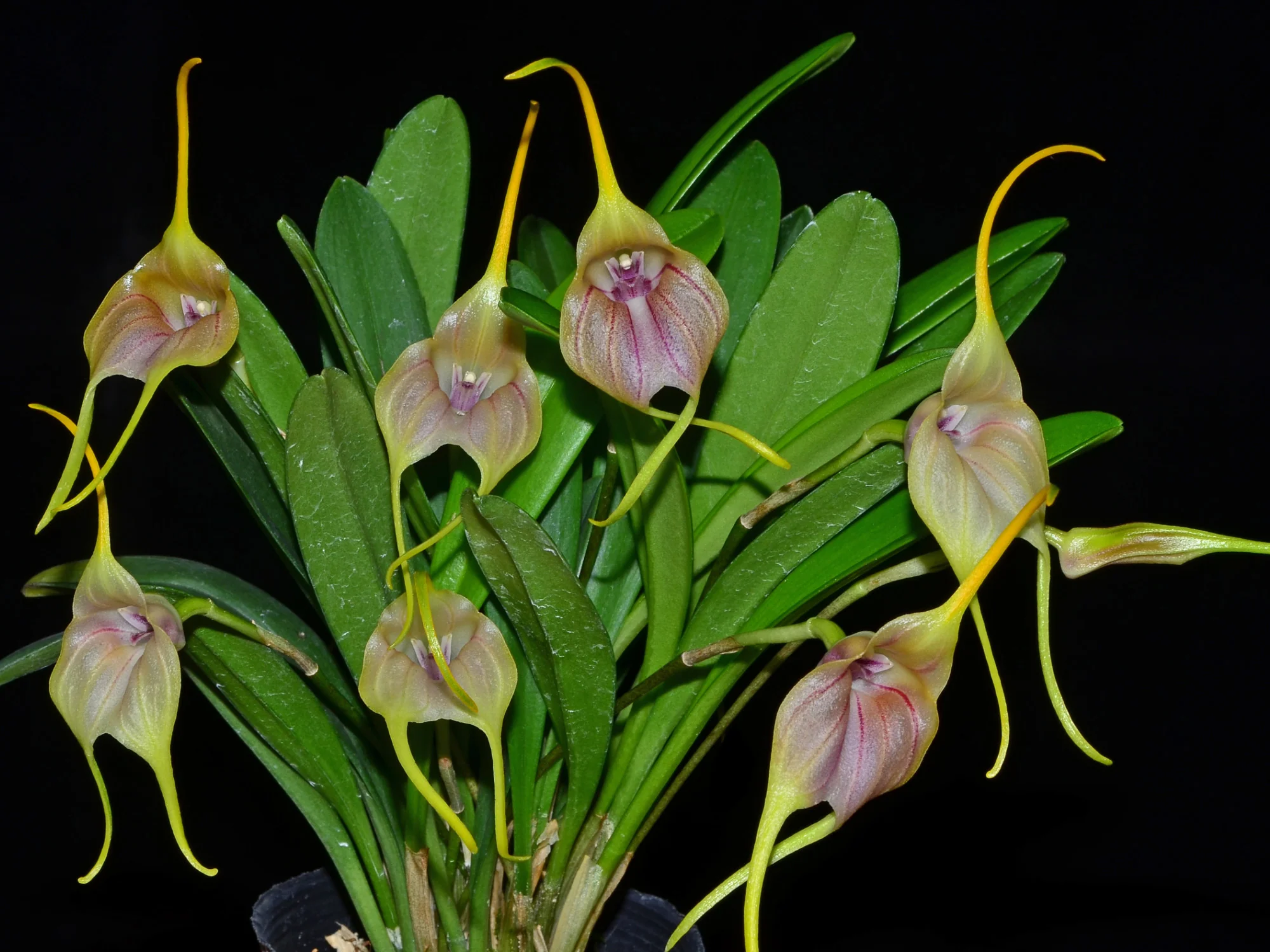
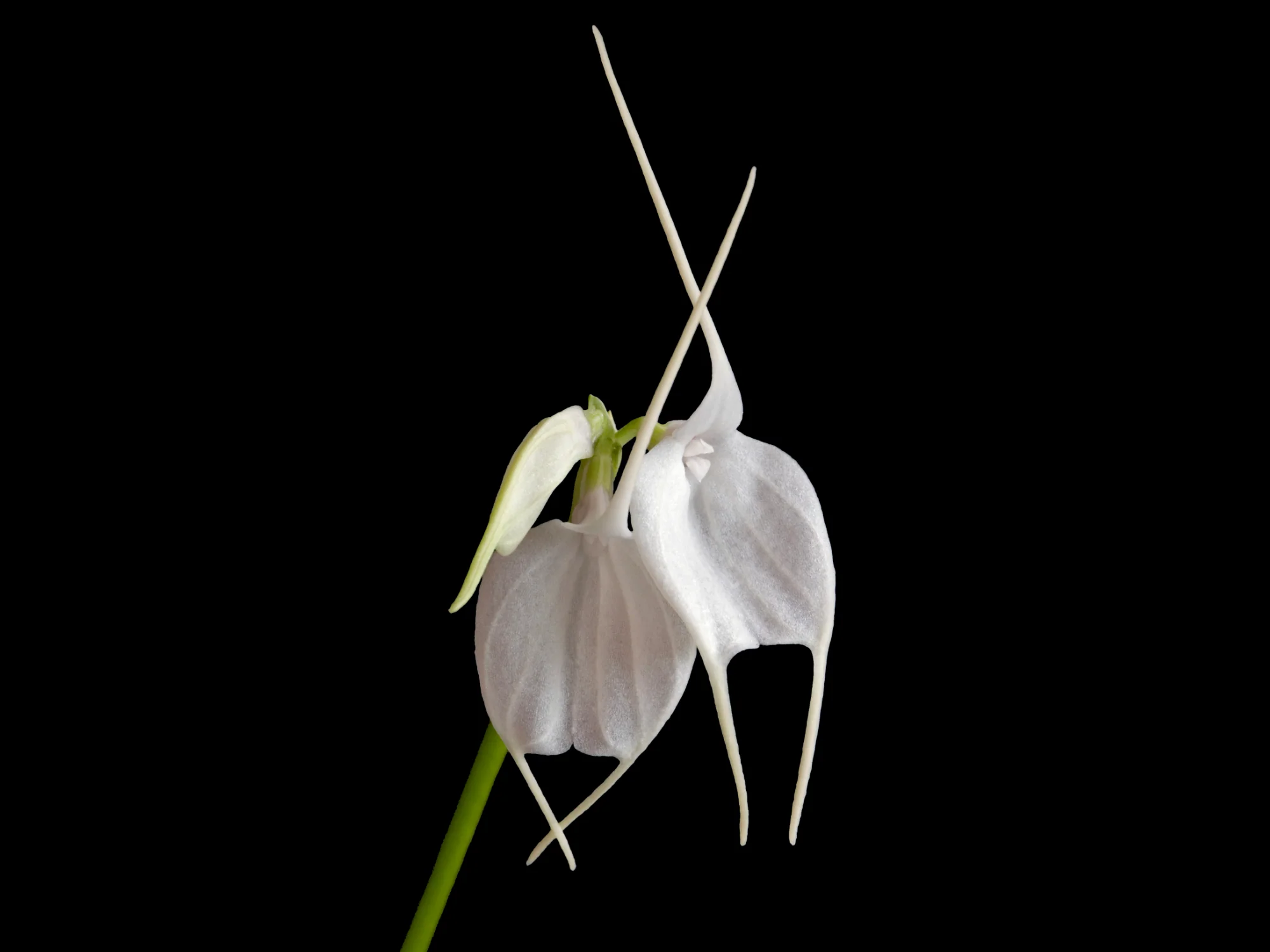
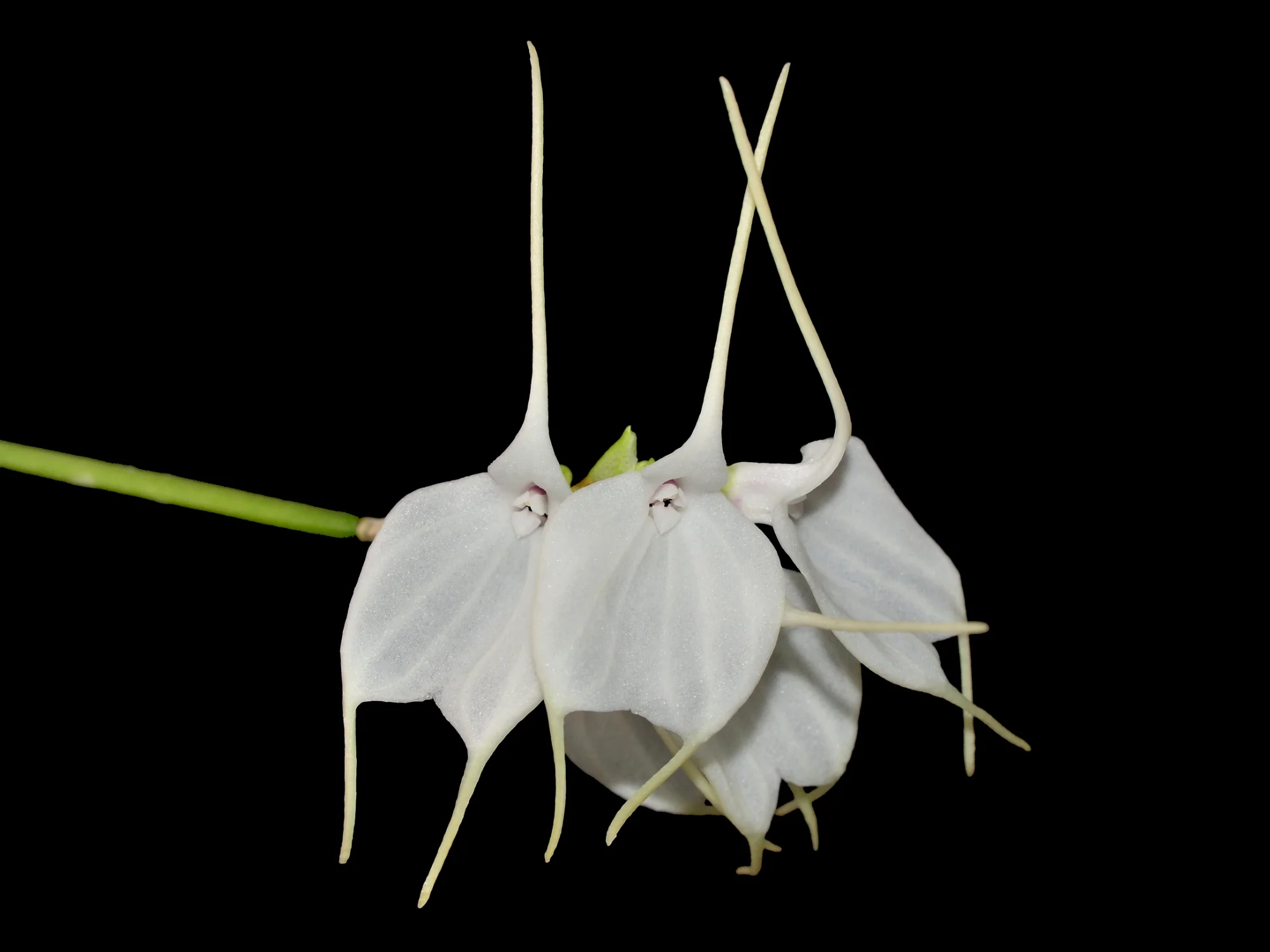
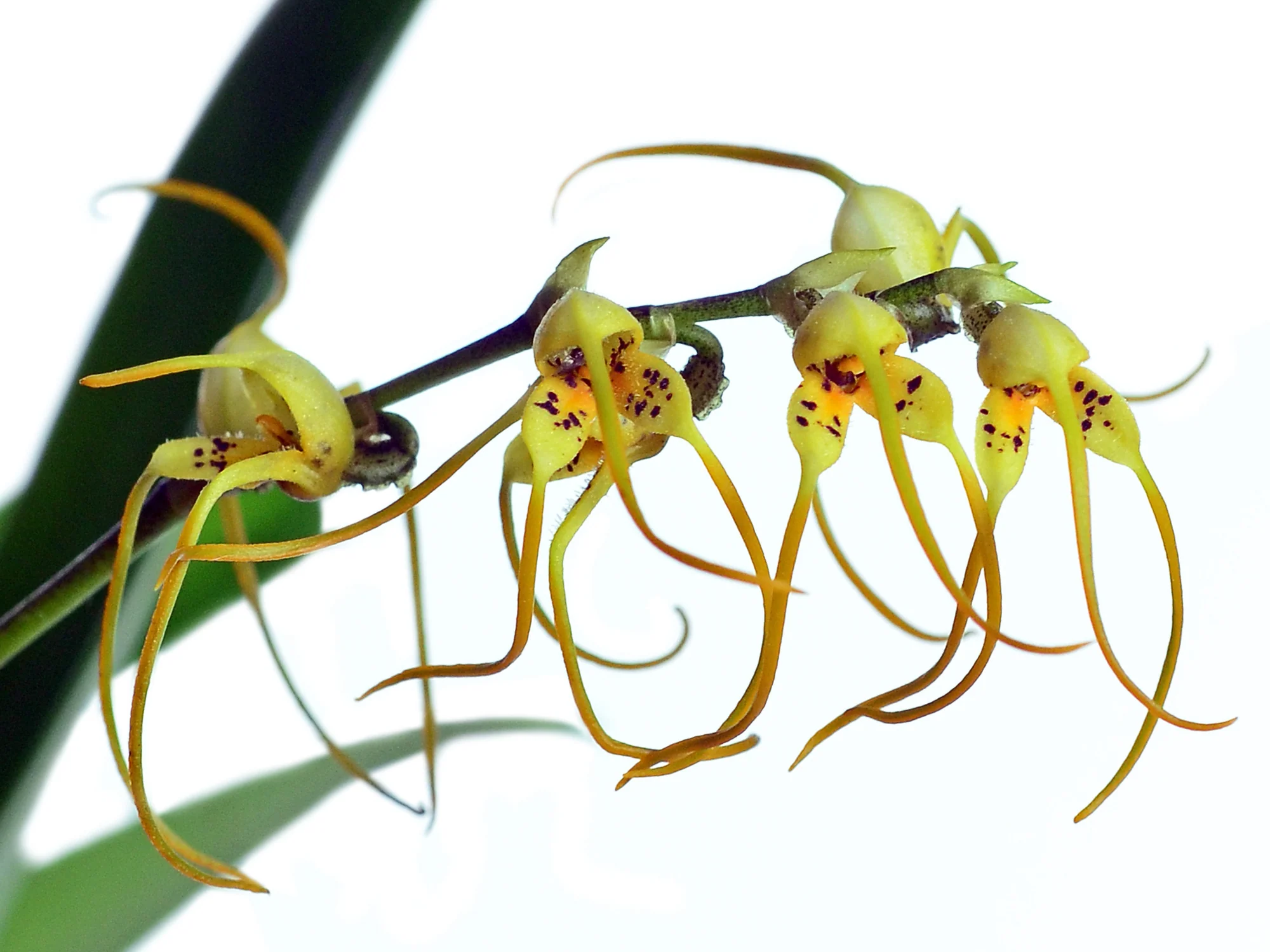
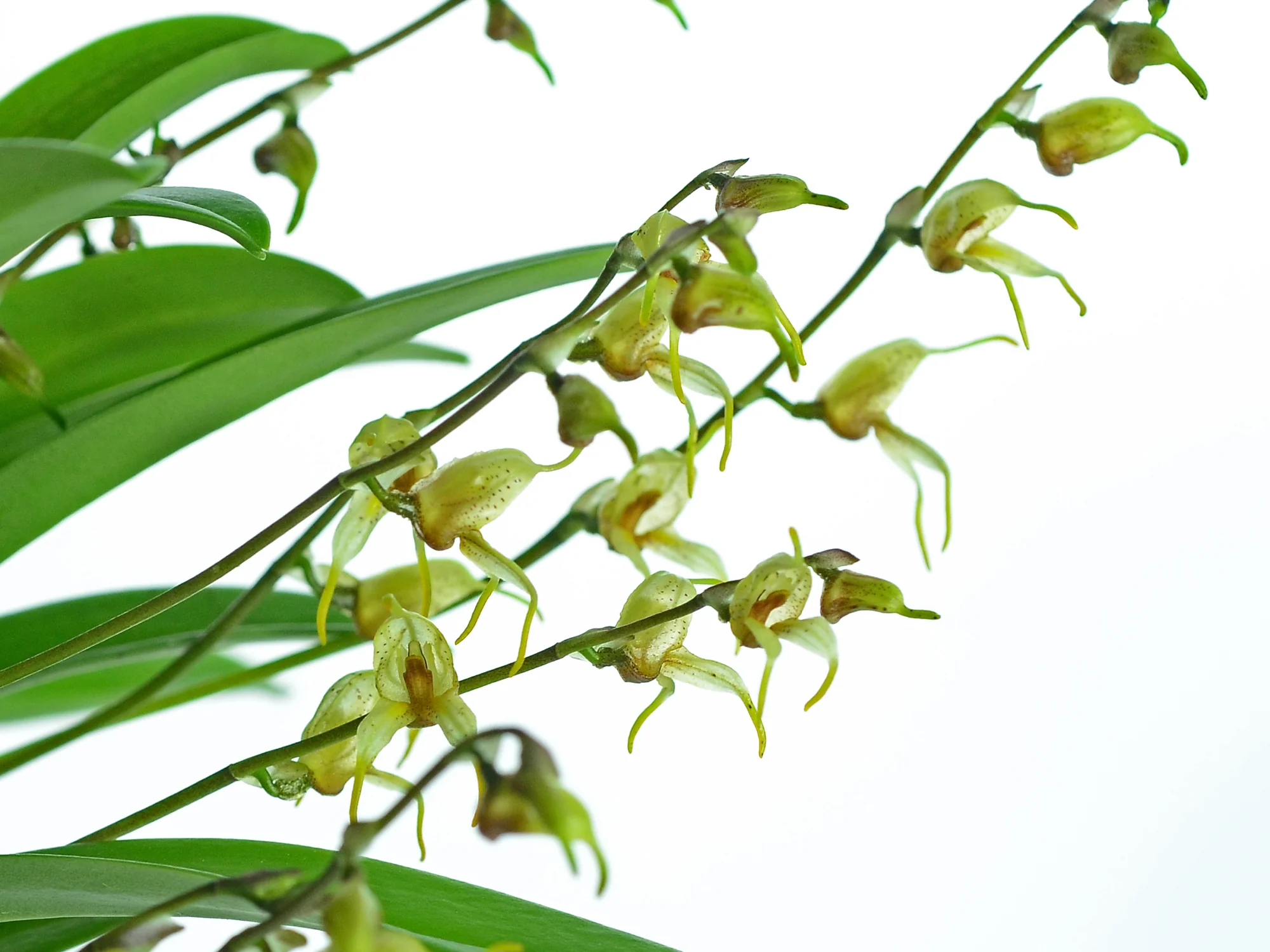
A compact, tufted species that earns its intriguing name through its deceptive resemblance to other members of the genus, producing flowers on slender upright stems with the characteristic triangular form — fused sepals tapering into elongated tails — that reward attentive growers with successive blooms throughout the year.
- Light: Low to moderate indirect light with 60–70% shade cloth; avoid direct sun exposure, which can scorch the delicate foliage.
- Temperature: Intermediate grower. Daytime temperatures of 60–72°F (15–22°C) and nighttime lows of 50–58°F (10–14°C); avoid prolonged heat above 75°F (24°C).
- Humidity: 70–85% relative humidity with steady air circulation; a humidifier or humidity tray helps maintain adequate moisture levels.
- Watering: Keep the medium evenly and consistently moist; water every 4–6 days and ensure excellent drainage to prevent root rot.
Additional Notes
Native to Ecuador at mid-elevation cloud forest habitats; the epithet impostor refers to the species' deceptive similarity to related Masdevallias, making correct identification a challenge even for experienced growers. Best cultivated in small pots with fine bark or sphagnum moss, or mounted on cork bark.
Product Information
Product Information
Shipping & Returns
Shipping & Returns
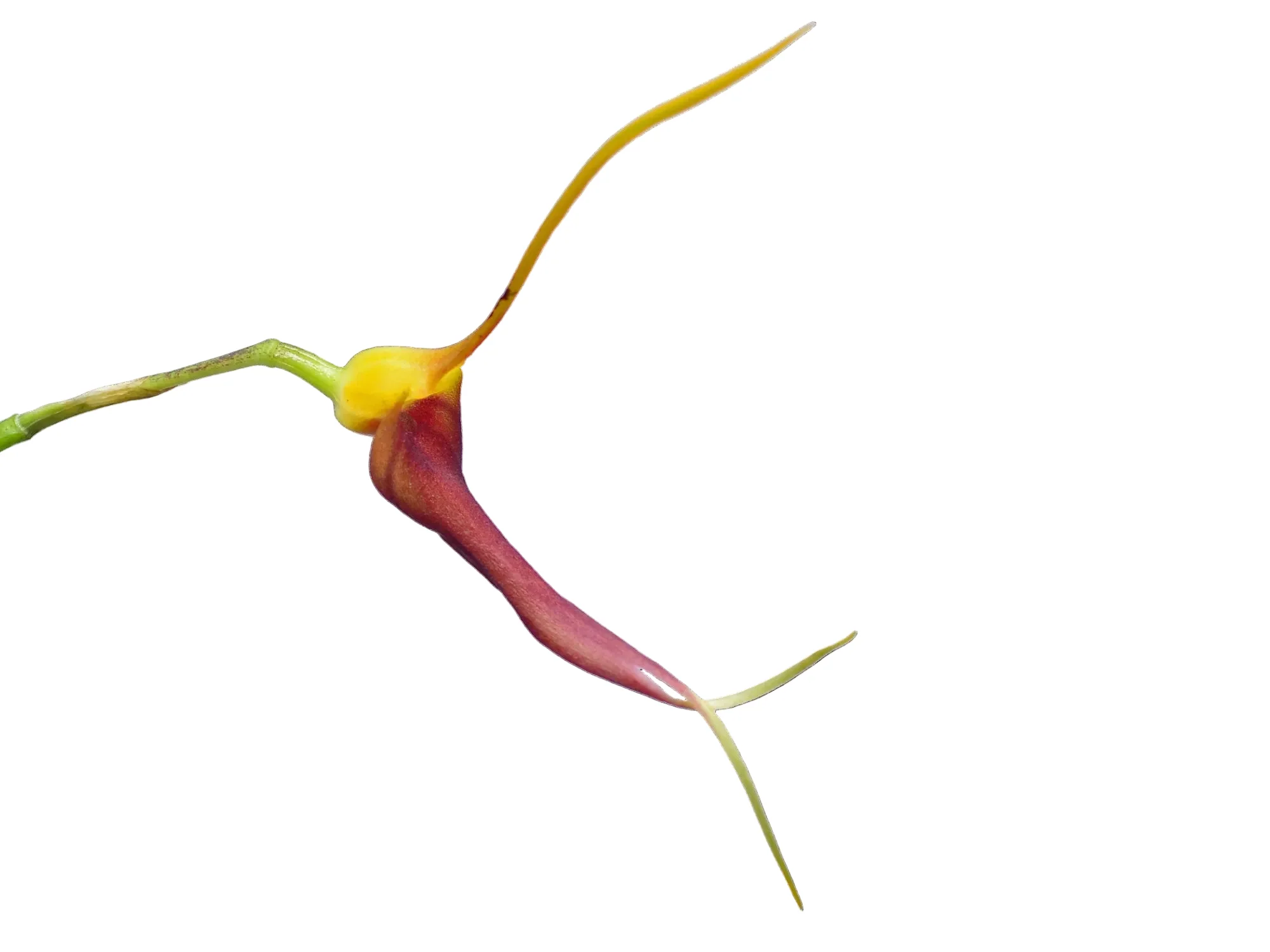
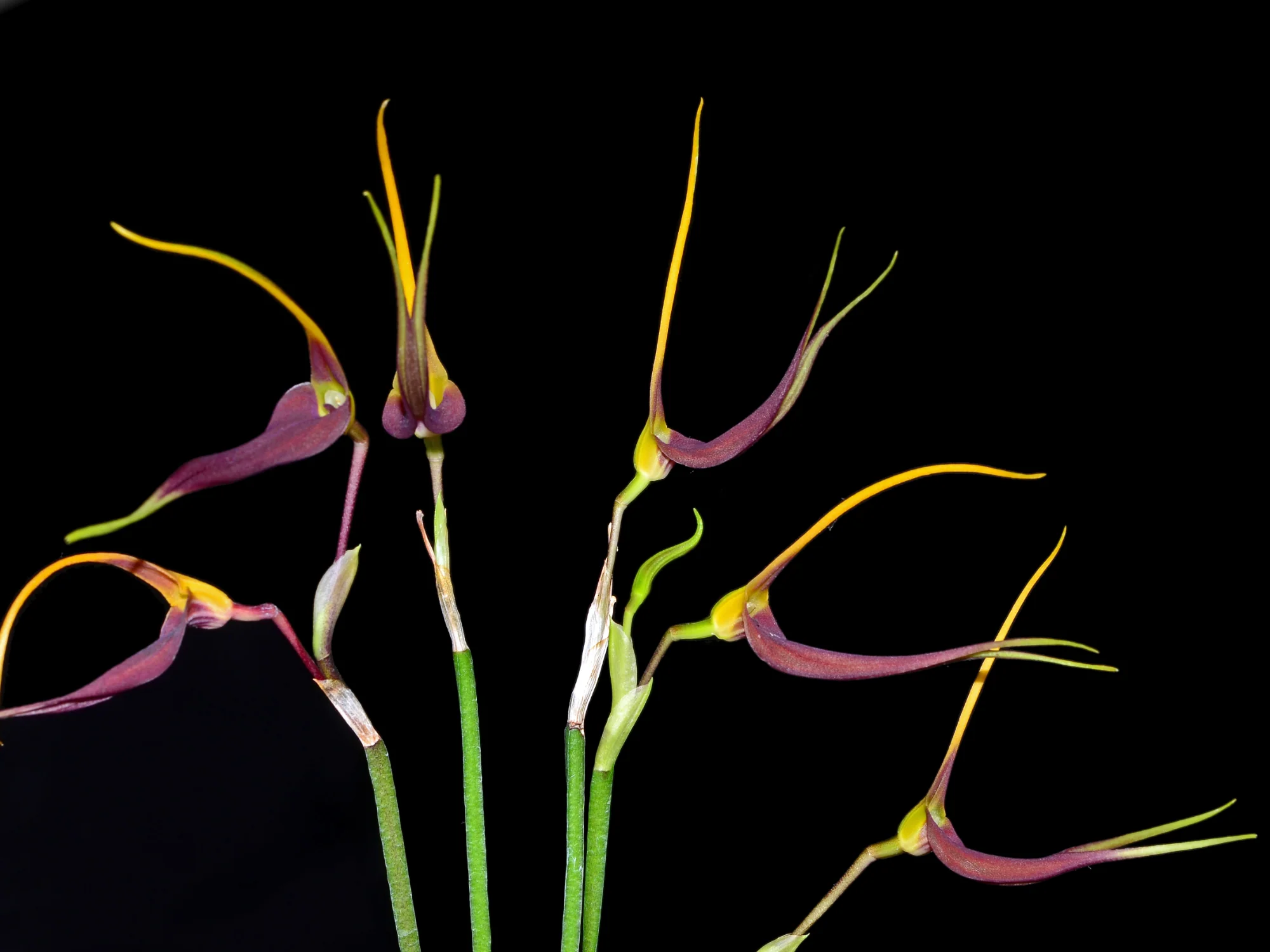
Masdevallia impostor
Masdevallia impostor
A compact, tufted species that earns its intriguing name through its deceptive resemblance to other members of the genus, producing flowers on slender upright stems with the characteristic triangular form — fused sepals tapering into elongated tails — that reward attentive growers with successive blooms throughout the year.
- Light: Low to moderate indirect light with 60–70% shade cloth; avoid direct sun exposure, which can scorch the delicate foliage.
- Temperature: Intermediate grower. Daytime temperatures of 60–72°F (15–22°C) and nighttime lows of 50–58°F (10–14°C); avoid prolonged heat above 75°F (24°C).
- Humidity: 70–85% relative humidity with steady air circulation; a humidifier or humidity tray helps maintain adequate moisture levels.
- Watering: Keep the medium evenly and consistently moist; water every 4–6 days and ensure excellent drainage to prevent root rot.
Additional Notes
Native to Ecuador at mid-elevation cloud forest habitats; the epithet impostor refers to the species' deceptive similarity to related Masdevallias, making correct identification a challenge even for experienced growers. Best cultivated in small pots with fine bark or sphagnum moss, or mounted on cork bark.
Original: $16.00
-65%$16.00
$5.60Product Information
Product Information
Shipping & Returns
Shipping & Returns
Description
A compact, tufted species that earns its intriguing name through its deceptive resemblance to other members of the genus, producing flowers on slender upright stems with the characteristic triangular form — fused sepals tapering into elongated tails — that reward attentive growers with successive blooms throughout the year.
- Light: Low to moderate indirect light with 60–70% shade cloth; avoid direct sun exposure, which can scorch the delicate foliage.
- Temperature: Intermediate grower. Daytime temperatures of 60–72°F (15–22°C) and nighttime lows of 50–58°F (10–14°C); avoid prolonged heat above 75°F (24°C).
- Humidity: 70–85% relative humidity with steady air circulation; a humidifier or humidity tray helps maintain adequate moisture levels.
- Watering: Keep the medium evenly and consistently moist; water every 4–6 days and ensure excellent drainage to prevent root rot.
Additional Notes
Native to Ecuador at mid-elevation cloud forest habitats; the epithet impostor refers to the species' deceptive similarity to related Masdevallias, making correct identification a challenge even for experienced growers. Best cultivated in small pots with fine bark or sphagnum moss, or mounted on cork bark.