Maxillaria subrepens
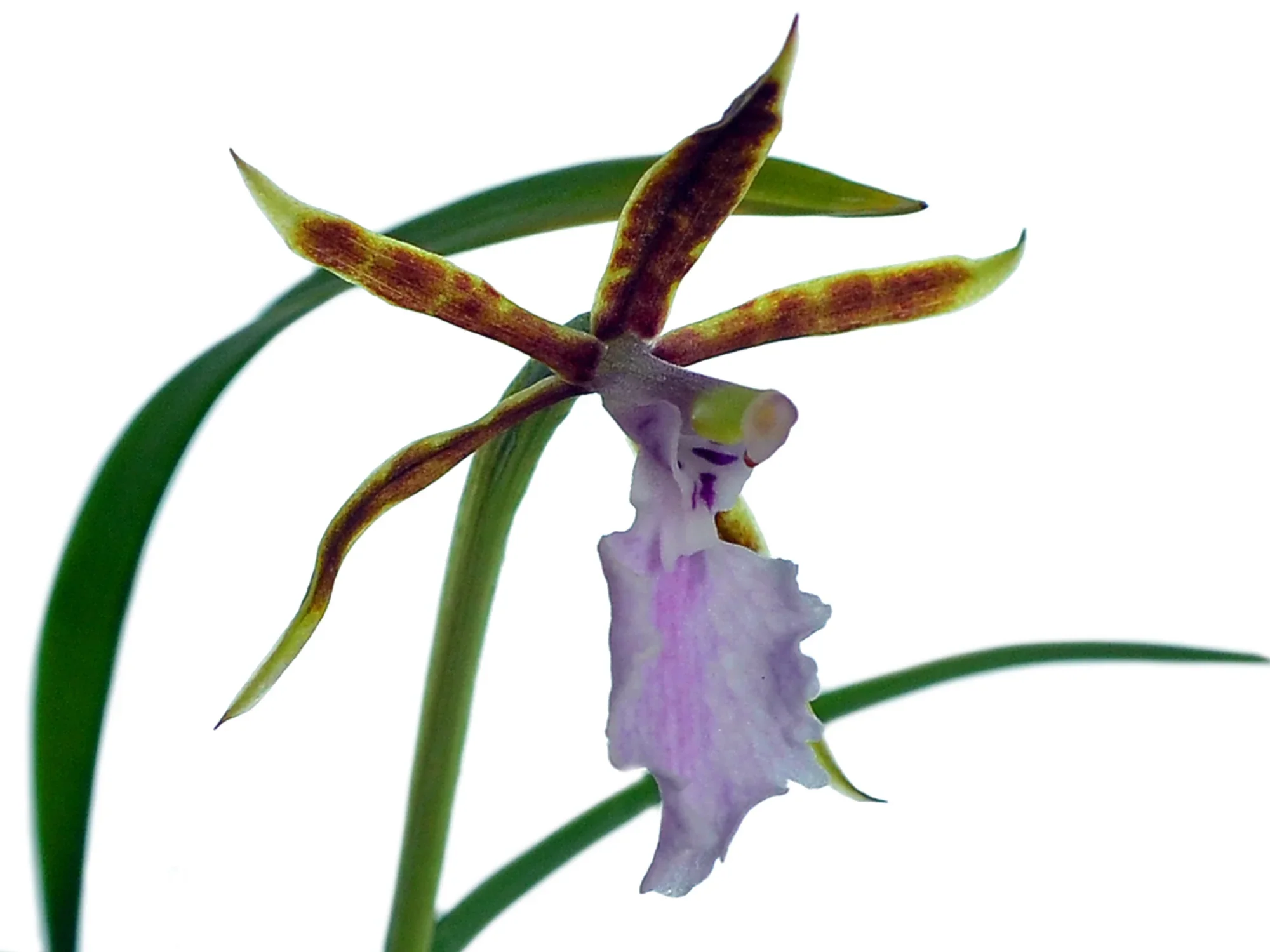
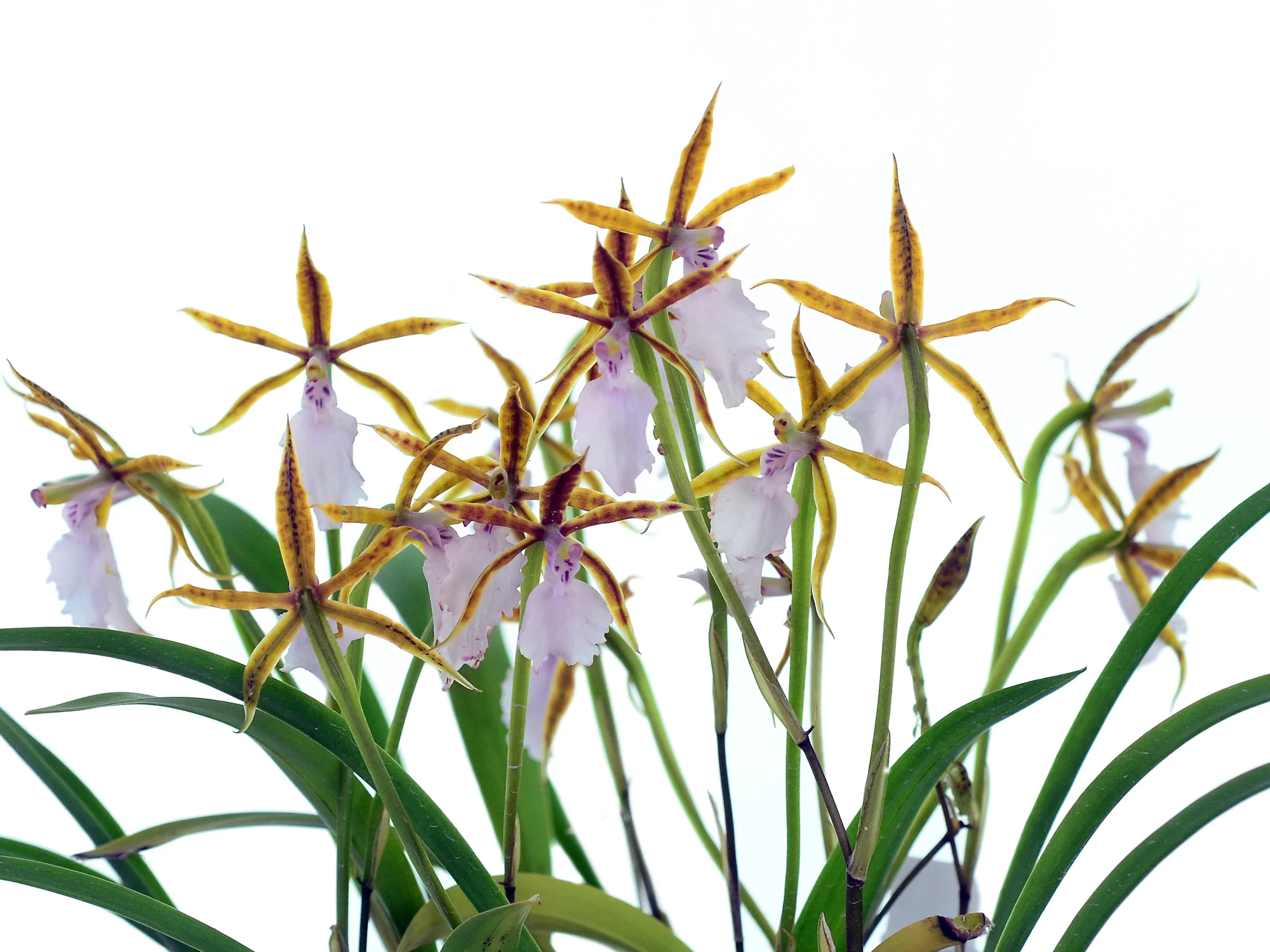
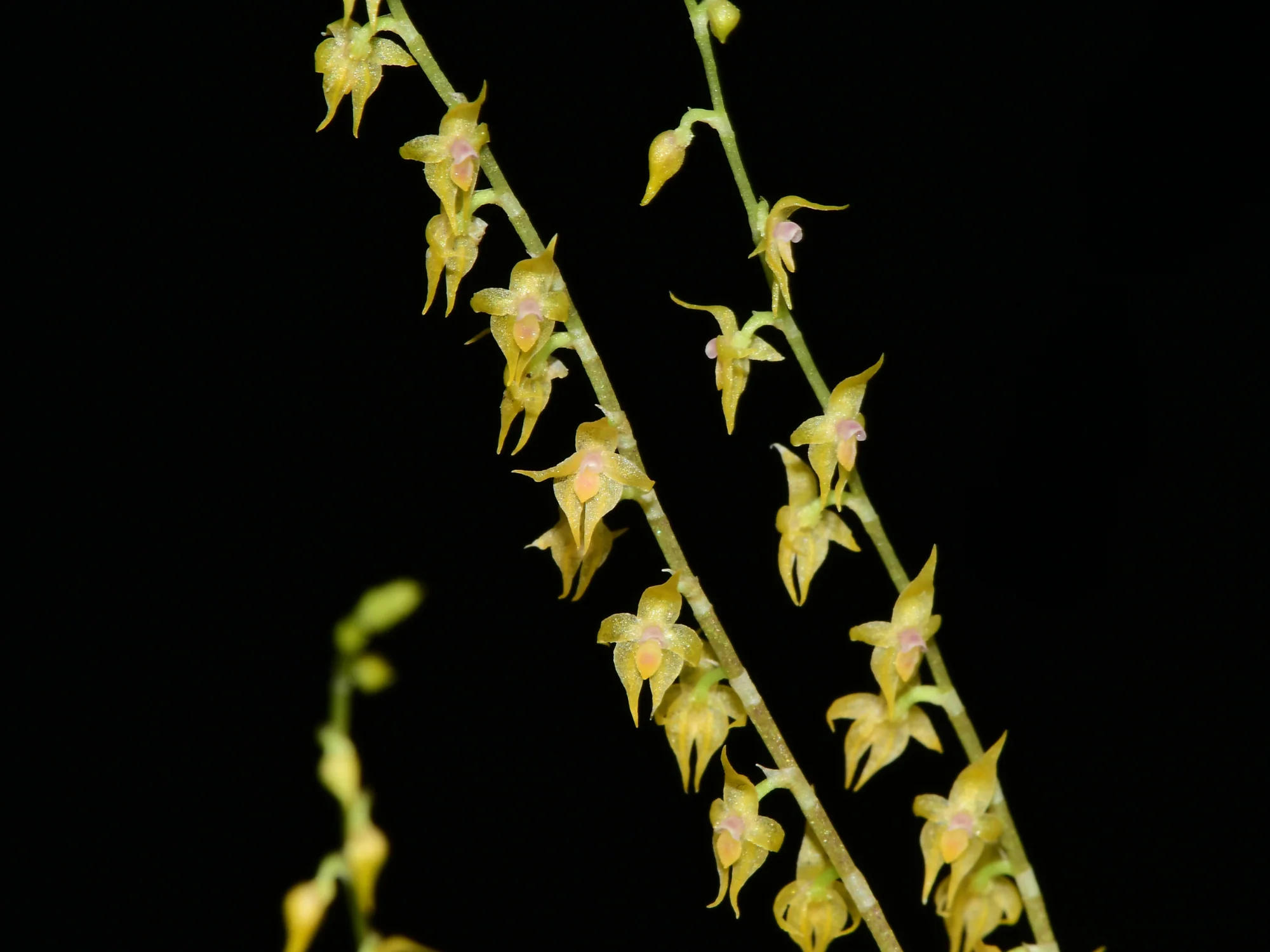
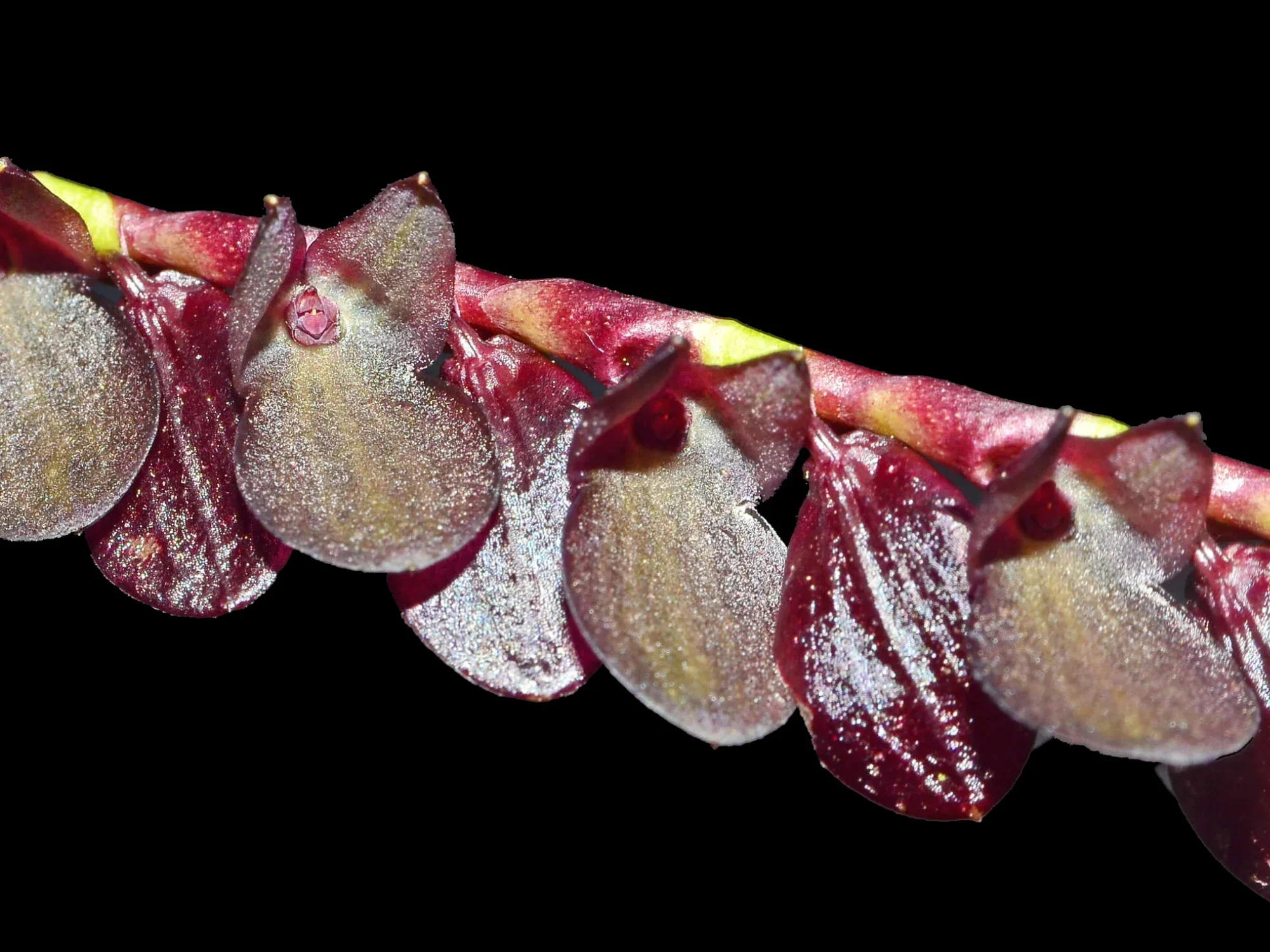
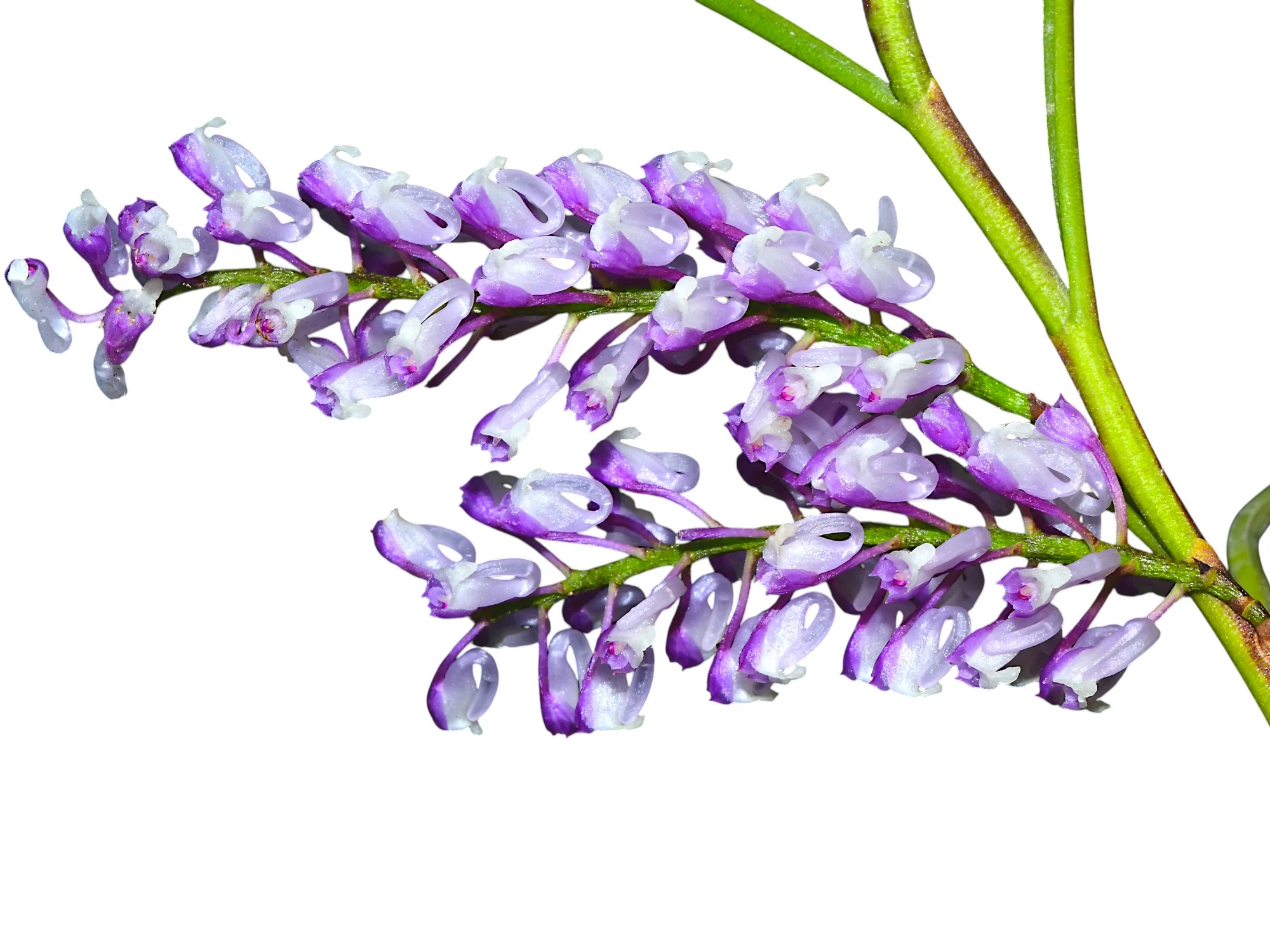
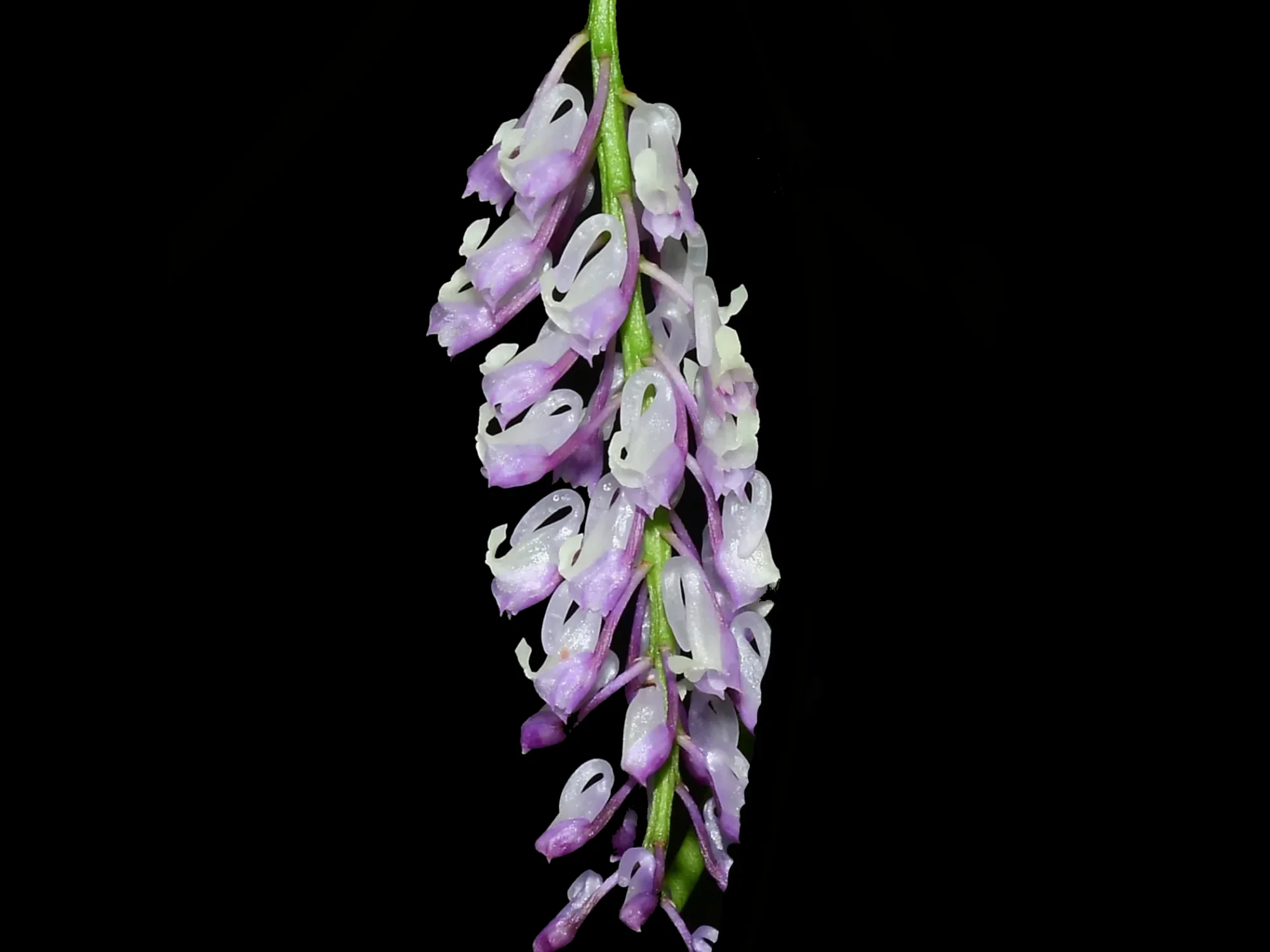
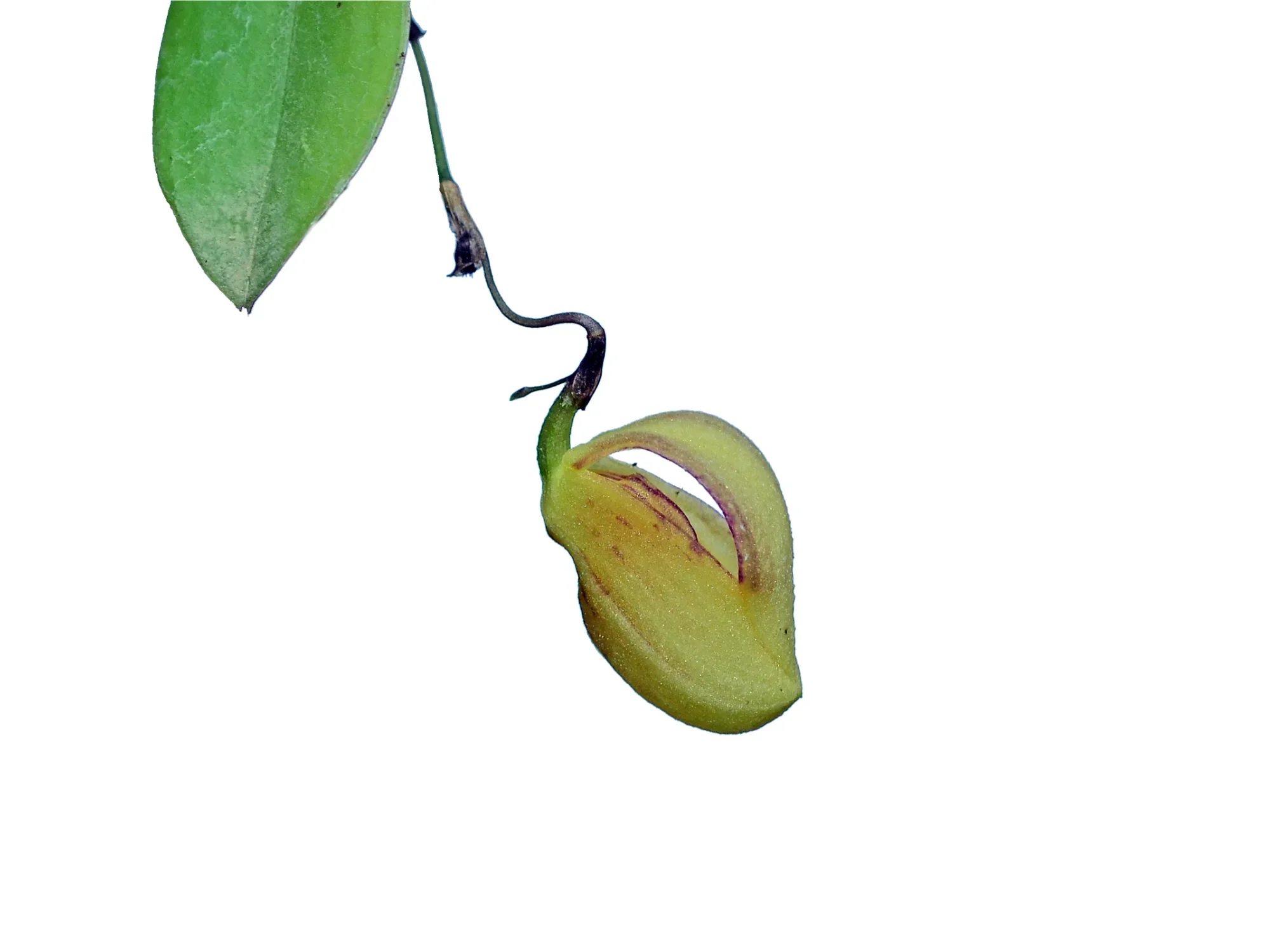
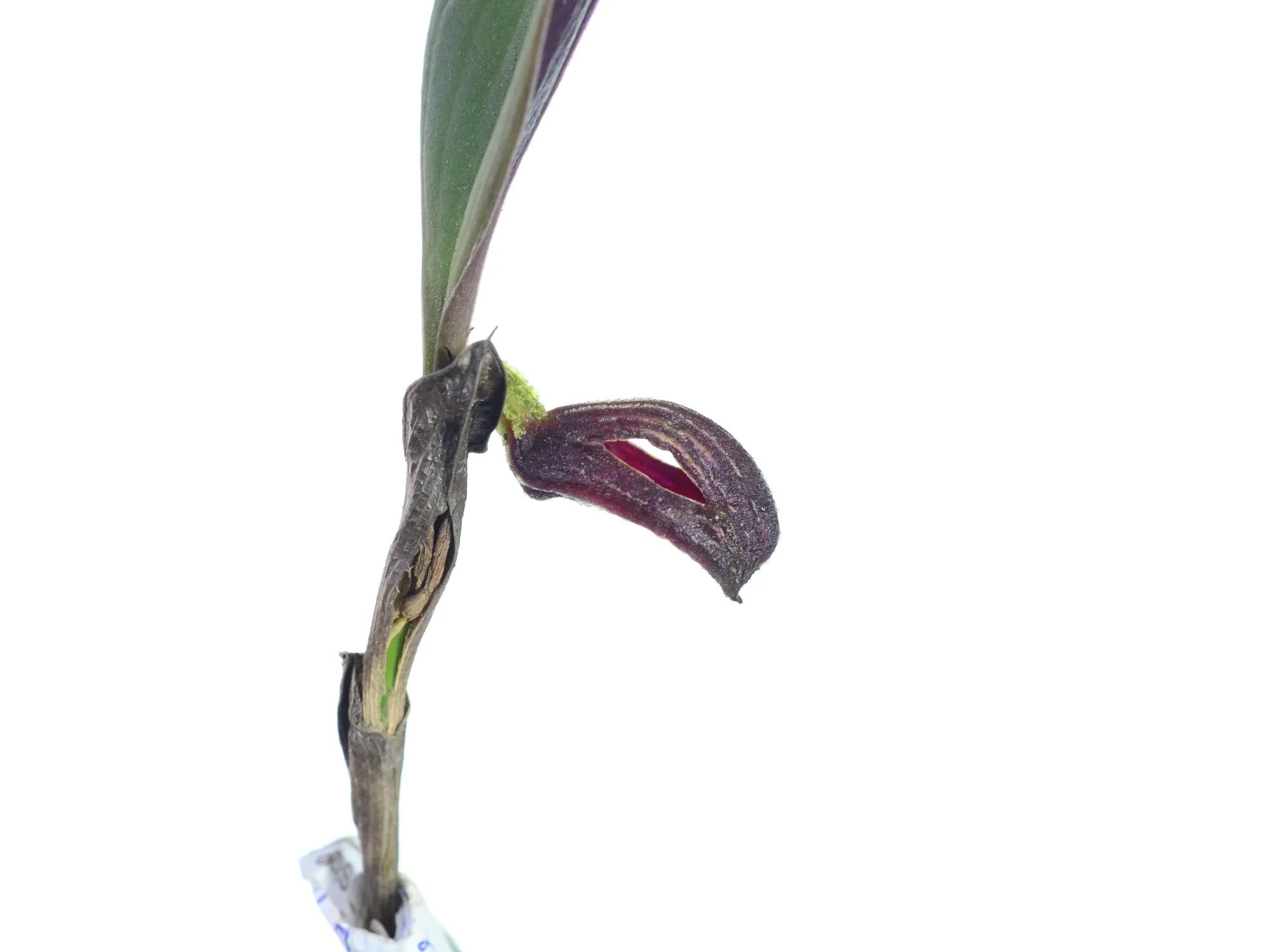
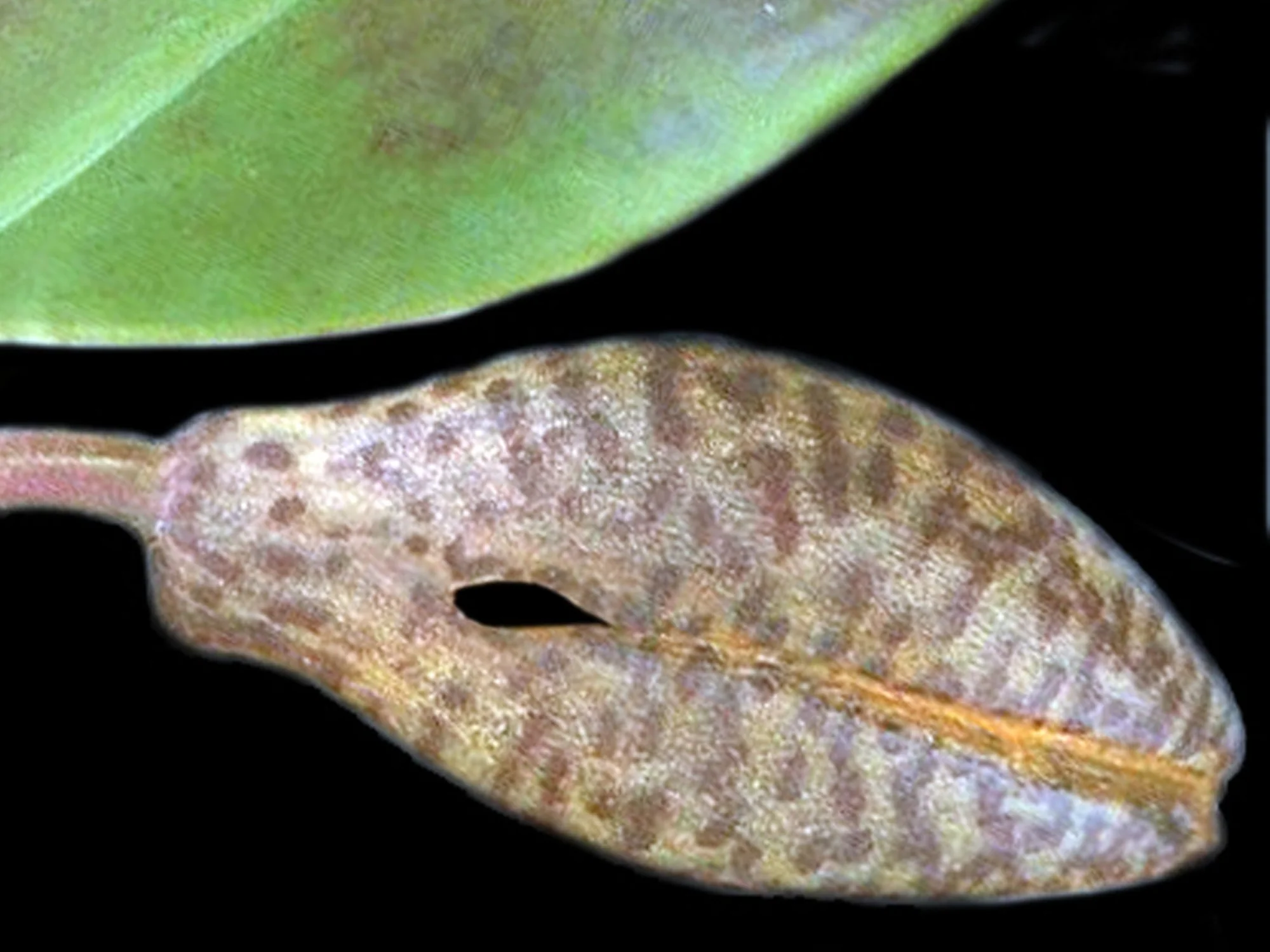
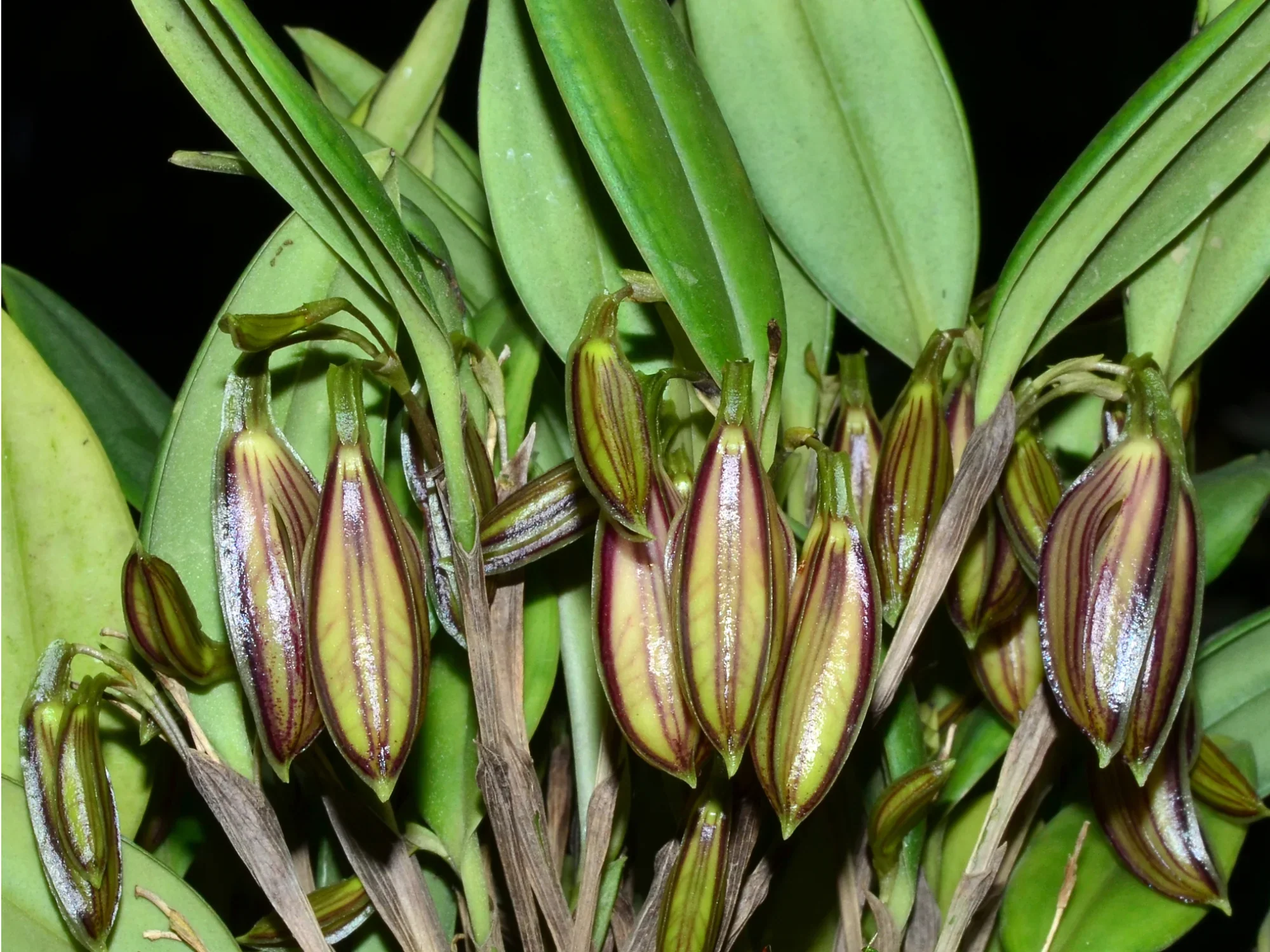
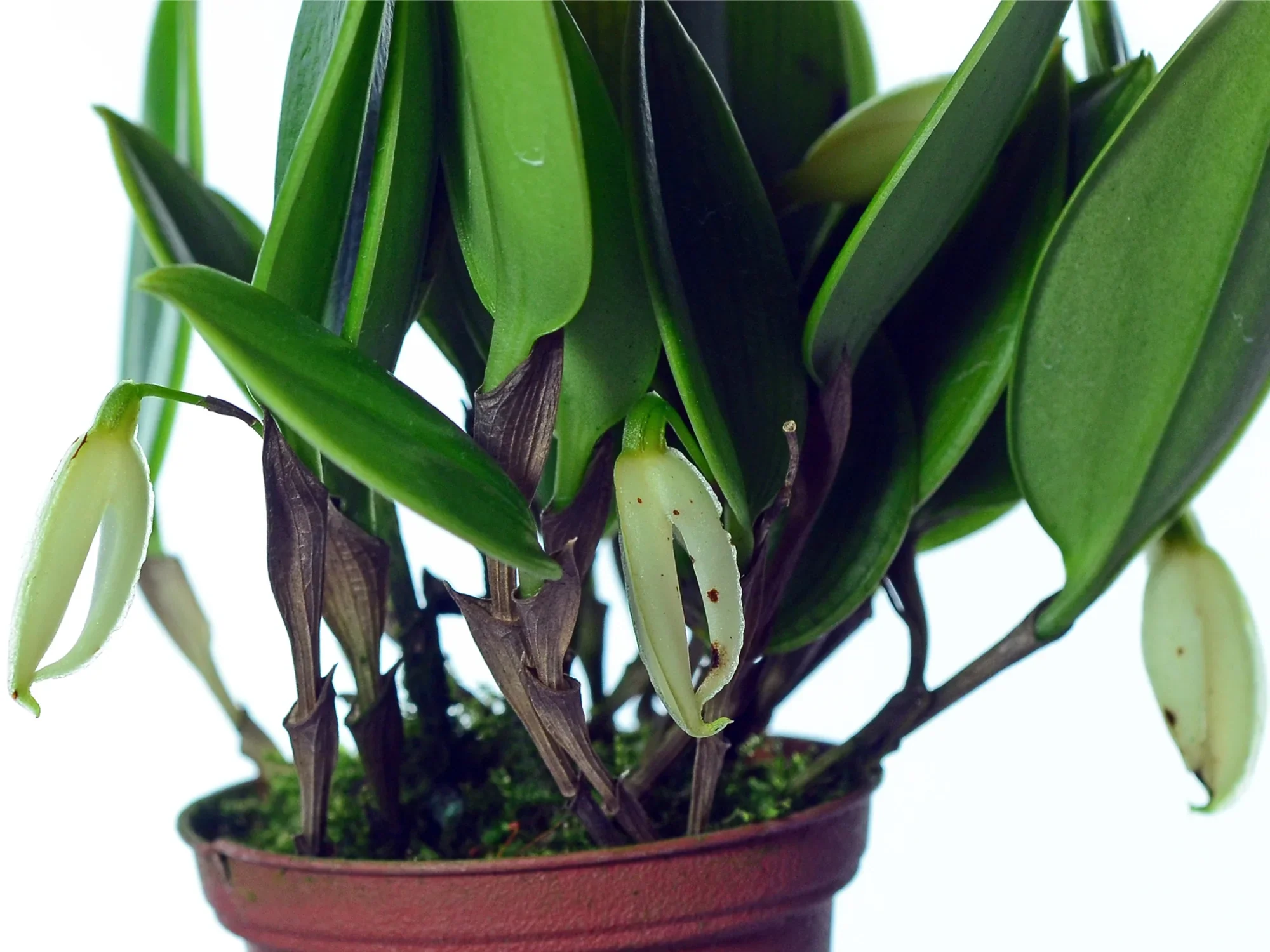
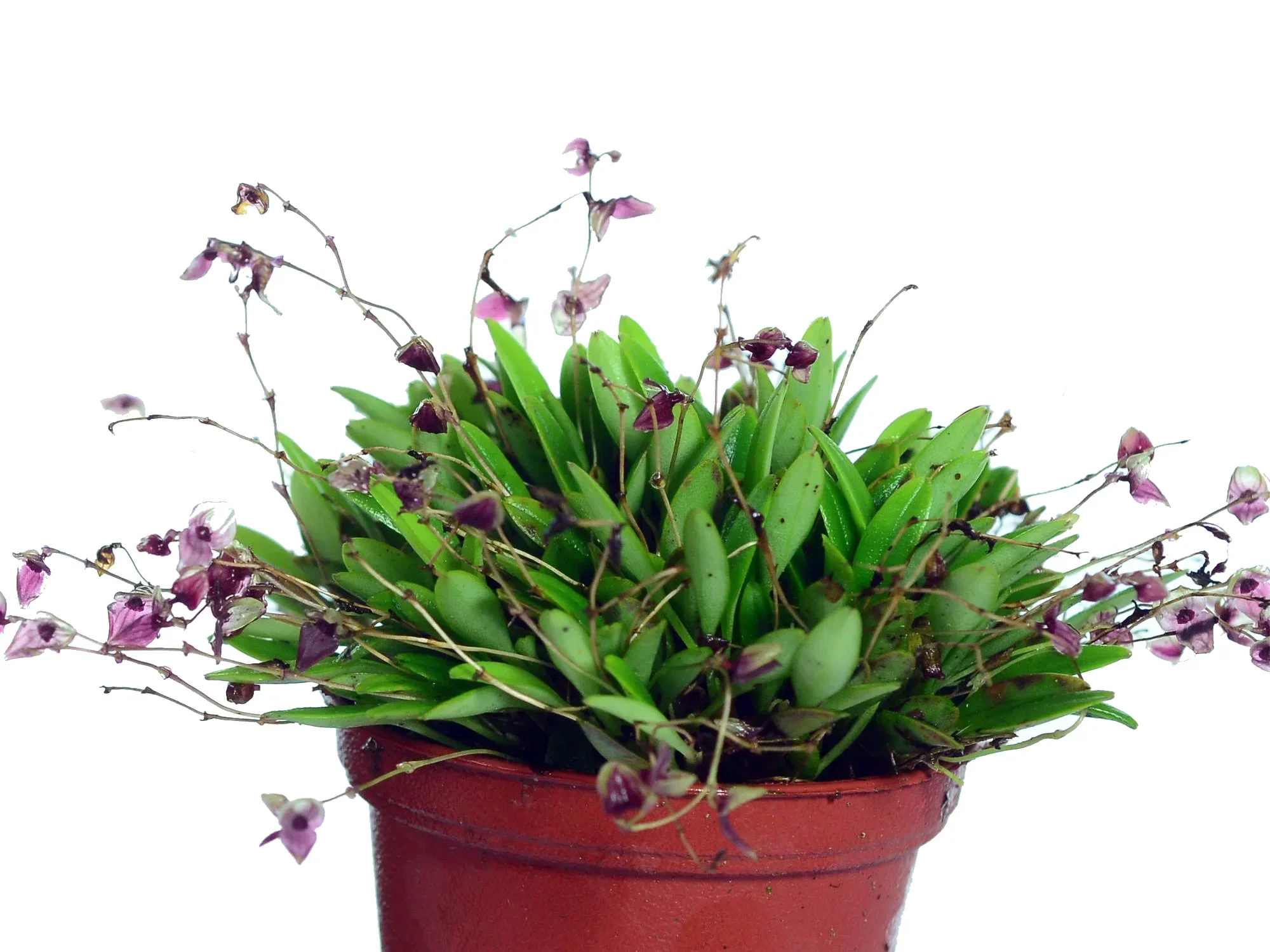
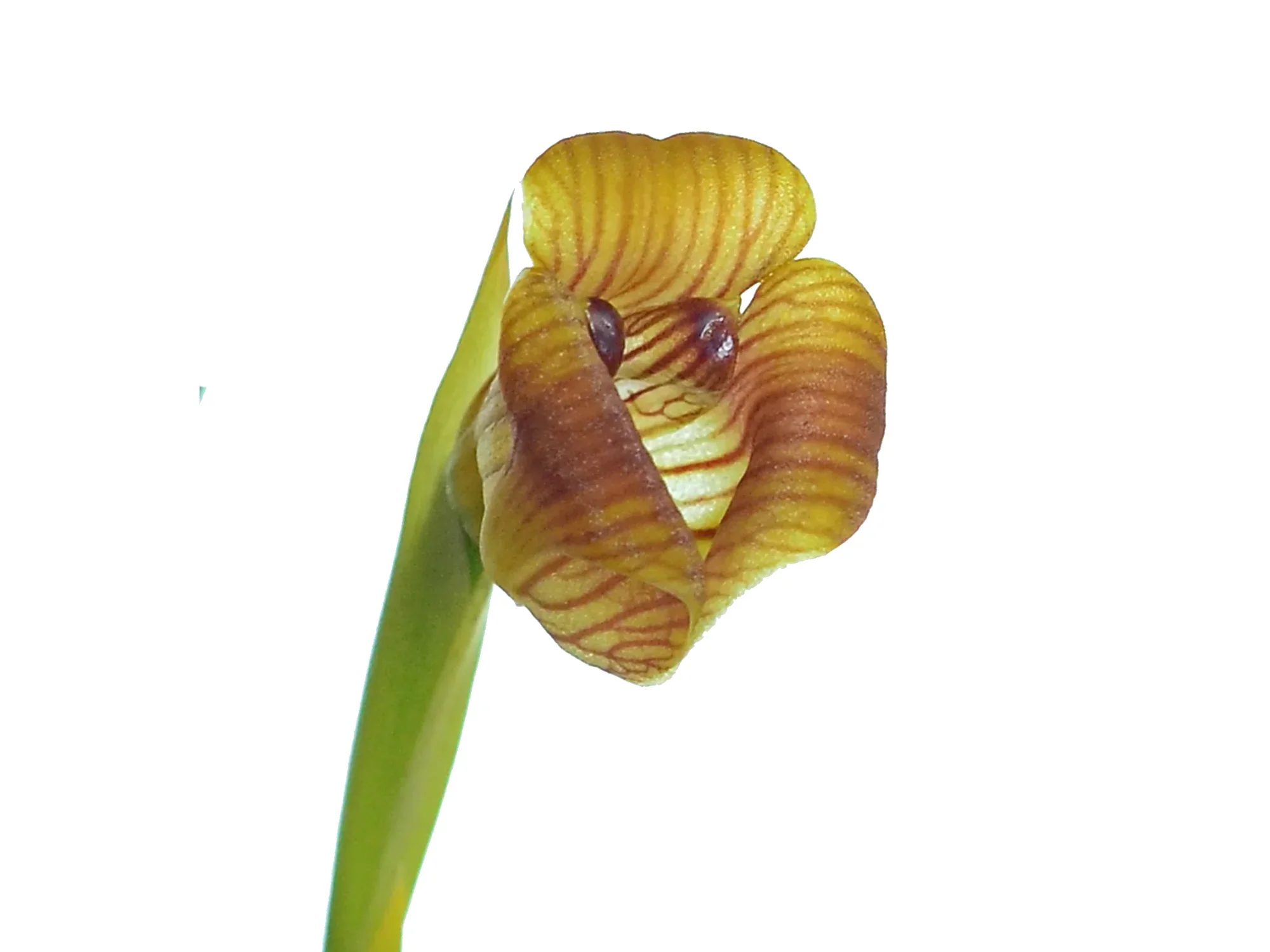
An epiphytic species native to the cloud forests of Ecuador, producing solitary, globose flowers with strongly concave, inward-curving sepals densely marked with amber and dark brown striations and a small, dark lip visible within the cupped perianth. Its compact, creeping habit and uniquely architectural blooms make it a fascinating specimen for collectors of miniature and botanical orchids.
- Light: Bright indirect light with 50–60% shade cloth; avoid direct sun, which can scorch the foliage and stress the compact rhizome.
- Temperature: 55–75°F (13–24°C); thrives as an intermediate grower with stable conditions and a moderate nighttime temperature drop.
- Humidity: 65–85%; high ambient humidity is essential for healthy root and rhizome development.
- Watering: Keep the mount or mix evenly moist; avoid prolonged dryness, as the creeping rhizomes are sensitive to desiccation.
Additional Notes
Best grown mounted on cork or tree fern, or in a shallow basket with a fine bark mix. Plants are shipped bare root, well established, and ready to adapt to your growing conditions.
Product Information
Product Information
Shipping & Returns
Shipping & Returns

Maxillaria subrepens
Maxillaria subrepens
An epiphytic species native to the cloud forests of Ecuador, producing solitary, globose flowers with strongly concave, inward-curving sepals densely marked with amber and dark brown striations and a small, dark lip visible within the cupped perianth. Its compact, creeping habit and uniquely architectural blooms make it a fascinating specimen for collectors of miniature and botanical orchids.
- Light: Bright indirect light with 50–60% shade cloth; avoid direct sun, which can scorch the foliage and stress the compact rhizome.
- Temperature: 55–75°F (13–24°C); thrives as an intermediate grower with stable conditions and a moderate nighttime temperature drop.
- Humidity: 65–85%; high ambient humidity is essential for healthy root and rhizome development.
- Watering: Keep the mount or mix evenly moist; avoid prolonged dryness, as the creeping rhizomes are sensitive to desiccation.
Additional Notes
Best grown mounted on cork or tree fern, or in a shallow basket with a fine bark mix. Plants are shipped bare root, well established, and ready to adapt to your growing conditions.
Product Information
Product Information
Shipping & Returns
Shipping & Returns
Description
An epiphytic species native to the cloud forests of Ecuador, producing solitary, globose flowers with strongly concave, inward-curving sepals densely marked with amber and dark brown striations and a small, dark lip visible within the cupped perianth. Its compact, creeping habit and uniquely architectural blooms make it a fascinating specimen for collectors of miniature and botanical orchids.
- Light: Bright indirect light with 50–60% shade cloth; avoid direct sun, which can scorch the foliage and stress the compact rhizome.
- Temperature: 55–75°F (13–24°C); thrives as an intermediate grower with stable conditions and a moderate nighttime temperature drop.
- Humidity: 65–85%; high ambient humidity is essential for healthy root and rhizome development.
- Watering: Keep the mount or mix evenly moist; avoid prolonged dryness, as the creeping rhizomes are sensitive to desiccation.
Additional Notes
Best grown mounted on cork or tree fern, or in a shallow basket with a fine bark mix. Plants are shipped bare root, well established, and ready to adapt to your growing conditions.